Vacuum Sealer Bags vs Rolls: Which Should You Choose? (November 2026)
Choose rolls if you seal odd sizes, and choose precut bags if you seal the same portions often. Vacuum sealer bags or rolls both need a compatible sealer, and the right pick depends on portion size, waste and how you cook.
On this page (11 sections)
- Vacuum sealer bags or rolls: the quick verdict
- Bags and rolls side by side
- Custom sizing and material waste
- Portion size and food shape
- Seal quality and film thickness
- Compatibility with your sealer
- Freezer, fridge and cooking use
- Reuse, cleaning and storage
- Cost per bag and pack size
- Who should buy which
- Final verdict on bags or rolls
Choose rolls if you seal odd sizes, and choose precut bags if you seal the same portions often. Vacuum sealer bags or rolls both need a compatible sealer, and the right pick depends on portion size, waste and how you cook.
Rolls give you control over length, so you can fit a short sausage, a flat fish fillet or a large roast without buying several fixed sizes. Precut bags trade that control for speed, since each bag is ready to fill and seal.
Our score weighs specs, features and buyer feedback against what you are shopping for. We compared the materials, widths, lengths and compatibility here, and we checked which format helps each reader waste less.
If you are still choosing a machine, our guide on which vacuum sealer should i buy helps you match a sealer to the bags or rolls you plan to use.
 Best for meal prep with 8-inch rolls
FoodSaver Custom Fit Airtight Food Storage
 Best for mixed 8-inch and 11-inch use
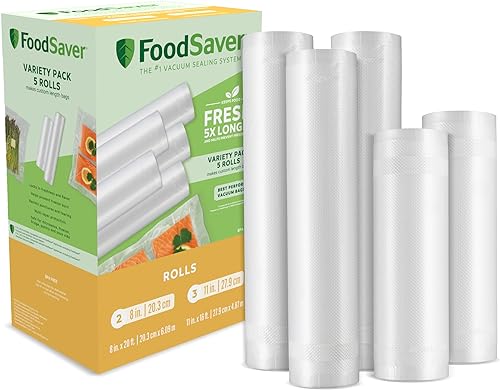
FoodSaver Custom Length Vacuum Sealer Bags Multipack
Vacuum sealer bags or rolls: the quick verdict
The best choice is the format you will use without forcing food into the wrong size. Rolls win for variety, and precut bags win for repeat portions.
Precut bags are faster because you skip measuring and sealing one end. That time saving matters when you seal many identical portions of soup, rice or meat for the week.
Rolls win when your food changes size. You can make a short bag for berries, a medium bag for chicken pieces and a long bag for a roast from the same roll.
Material waste is the other split. A precut bag that is too large wastes film and leaves extra air space, while a roll lets you cut close to the food.
Our picks show that split clearly. The FoodSaver 8 x 20 ft rolls suit smaller meal prep, the 11 x 16 ft rolls suit wide food, and the mixed multipack covers both.
Bags and rolls side by side
Rolls offer custom length, while precut bags offer ready-to-fill speed. Use the table to see how the four roll options here compare on width and use.
| Product | Width and length | Pack | Best fit |
|---|---|---|---|
| FoodSaver Custom Fit Airtight Food Storage | 8 x 20 ft | 3 rolls | Meal prep and sous vide |
| FoodSaver Custom Length Multipack | 8 in and 11 in rolls | 5 rolls | Mixed portion sizes |
| FoodSaver Custom Fit Vacuum Sealer Rolls | 11 x 16 ft | 3 rolls | Wide cuts and flat portions |
| EverFresh 11 x 25 ft Rolls | 11 x 25 ft | 4 rolls | Long supply and thicker film |
All four options here are rolls, not precut bags. That matters because you must seal one end, cut the bag and seal the other end after filling.
If you want the best vacuum sealer rolls for general use, start with width. Width decides which foods fit without stretching the film or crowding the seal area.
Custom sizing and material waste
Rolls reduce waste when portions vary, because you cut each bag to the food. Precut bags reduce waste only when the fixed size matches your portions.
A roll lets you add a small margin for sealing and then stop. For a single serving of vegetables, that short cut can use far less film than a large precut bag.
The FoodSaver 8 x 20 ft rolls work well for this. Their 8-inch width fits small portions, and you can cut a short length for snacks or a longer length for meal prep.
The FoodSaver multipack goes further. It includes two 8 x 20 inch rolls and three 11 x 16 inch rolls, so you can switch widths instead of forcing food into one roll.
Precut bags still have a place. If you seal the same lunch portions every week, a fixed size can save time and reduce measuring errors.
You should compare the bag size with your most common portion before you choose that route.
How to cut a roll with less waste
Leave seal margins, then cut close to the food without crowding the seal. A clean, flat seal area helps the sealer make a strong edge.
Lay the food flat when you can, especially for sauces and soups. A flat bag is easier to seal and easier to stack in the freezer.
Keep width in mind as you cut. A short bag from an 11-inch roll still uses wide film, so use the 8-inch roll for small items when you have both.
Portion size and food shape
Pick the width from your largest usual food, not from the smallest. A roll that is too narrow forces you to fold food or seal across an uneven shape.
The 11 x 16 ft FoodSaver rolls suit roasts, wide fish and flat meat portions. Their width gives the food room and leaves space for a clean seal.
The EverFresh 11 x 25 ft rolls offer the same width with a longer roll length. That longer length helps if you seal often and want fewer reorders, but it does not change the width you must store.
The 8-inch rolls suit chicken pieces, vegetables, berries and meal prep portions. They also use less material for the same length because the film is narrower.
FoodSaver says its multilayer design helps create an airtight seal and extends freshness. That claim matters more when the bag fits well, since a poor fit can weaken the seal even with good material.
If your food is wide and flat, our best vacuum sealer rolls 11 inch guide helps you compare 11-inch options by length and pack size.
Seal quality and film thickness
Film texture and thickness affect air removal and seal strength more than brand alone. Embossing helps the sealer pull air from around the food.
The EverFresh rolls list 15% thicker embossing, with a 15 mil embossed layer and a 3.5 mil smooth layer. EverFresh says that texture helps maximum air removal and vacuum stability.
The FoodSaver rolls use multilayer, BPA-free plastic designed for FoodSaver systems. FoodSaver says the sealing strip heats to a precise temperature for its material, which helps create a secure seal.
A smooth bag may seal well but can let air travel back toward the food during vacuuming. An embossed bag gives air a path out, which can help with moist or irregular foods.
Keep liquid away from the seal area when you can. For soups and sauces, lay the bag flat, leave head room and seal with care.
Learn the cutting and sealing steps in our guide on how to use vacuum sealer rolls, then practice with a dry item before you seal wet food.
Compatibility with your sealer
Compatibility is not automatic, so check your sealer before you buy rolls. A roll that seals poorly wastes food and time.
The three FoodSaver options are designed for FoodSaver vacuum sealing systems. That fit matters because the sealer and film are designed to work together.
The EverFresh rolls list compatibility with FoodSaver and all other vacuum sealer brands. That universal claim gives you more options if you own more than one machine.
If you use a Nesco machine, check our Nesco VS-12 Deluxe vacuum sealer review for sealer details before you assume a roll will fit.
Do not mix formats without checking the manual. Seal bars, bag texture and recommended settings differ, and a weak seal can fail in the freezer.
What to check before your first seal
Match the roll material to your sealer's guidance, then test a dry seal. A clean test seal tells you more than the package wording.
Check that the roll width fits your sealer's seal bar. If the roll is too wide, you may not seal the full edge.
Test with a dry bag first and pull gently on the seal. If the seal peels or wrinkles, adjust the setting and try again.
Freezer, fridge and cooking use
Most rolls here list freezer, refrigerator, microwave and boil use, but each roll has its own limits. Read the guidance for the exact roll you buy.
The FoodSaver 8 x 20 ft and 11 x 16 ft rolls list freezer, refrigerator, microwave and boil-safe use. FoodSaver also lists them for sous vide cooking.
The FoodSaver multipack lists freezer, refrigerator, microwave and dishwasher-safe use. It also lists BPA-free material for raw and cooked foods.
The EverFresh rolls list freezer, microwave, boiling and sous vide use. EverFresh warns you to puncture the bag before microwave use so steam can vent.
FoodSaver says vacuum storage protects food from freezer burn and spoilage for up to 5 times longer than non-vacuum storage. That is a maker claim, and real results depend on food type, seal quality and freezer temperature.
If you seal jars as well as bags, our best vacuum sealer for mason jars guide covers that separate task.
Reuse, cleaning and storage
Reusable rolls need washing and full drying before you seal them again. A damp bag can weaken the next seal.
The FoodSaver rolls list reusable use, and the EverFresh rolls say you can wash and dry used bags for reuse. Reuse only bags with no punctures, cracks or weak seals.
Wash with warm water and a mild soap, then let the bag dry fully. Store clean rolls upright or flat so the edge stays smooth for cutting.
Store rolls away from heat and sharp tools. A nicked edge can cause a poor seal, and a dusty roll can leave debris in the seal area.
Label each sealed bag with the food and date. Vacuum bags hide contents well, and a label helps you rotate older food first.
For heavier kitchen use, our best commercial vacuum sealer guide helps you judge when a home sealer and roll format are no longer enough.
Cost per bag and pack size
Rolls often cost less per bag than precut bags because you use only the length you need. Pack size changes how often you reorder, not the seal quality.
The EverFresh 4 pack gives you 100 feet total across four 11 x 25 ft rolls. That long supply suits frequent sealing, but the wide width can waste film on small portions.
The FoodSaver multipack gives you five rolls in two widths. That mix can lower waste because you can choose the narrower roll for small food.
The FoodSaver 3 packs give you three rolls in one width. That is simpler if you already know whether you need 8-inch or 11-inch film.
Precut bags can still win on time value. If you seal many identical portions, the minutes you save may matter more than the extra film.
Our best FoodSaver vacuum sealer bags rolls guide compares FoodSaver formats for readers who already use that system.
Who should buy which
Buy the 8-inch rolls for small portions, the 11-inch rolls for wide food and the mixed pack if you do both. Your usual food should make the choice clear.
Choose the FoodSaver 8 x 20 ft rolls if you prep meals, seal snacks and cook sous vide in smaller portions. The narrower width helps you use less film for everyday items.
Choose the FoodSaver 11 x 16 ft rolls if you seal roasts, large fish and wide flat meat. The added width keeps the seal area cleaner and the food flatter.
Choose the FoodSaver multipack if your week changes. You get two 8 x 20 inch rolls and three 11 x 16 inch rolls, so you can match the roll to the food.
Choose the EverFresh 11 x 25 ft rolls if you want universal compatibility and a long supply. The thicker embossing may help with air removal, but the wide film is best for larger food.
Choose precut bags only if your portions stay the same size. That fixed routine is the one case where precut bags beat rolls on speed.
Final verdict on bags or rolls
For most households, rolls are the better default because portions vary. Vacuum sealer bags or rolls should be chosen by fit, waste and compatibility, not by habit.
Pick rolls if you seal meat, vegetables, leftovers and meal prep in mixed sizes. You will save film, fit food better and buy fewer fixed sizes.
Pick precut bags if you repeat the same portion every time and value speed over custom fit. Measure that portion first, then buy the closest bag size.
If you start with rolls, a mixed pack is a safe first buy. It lets you learn whether you use 8-inch or 11-inch film more often.
Start with the FoodSaver multipack for mixed use, the 8 x 20 ft rolls for meal prep or the 11 x 16 ft rolls for wide food. Keep the EverFresh rolls in mind for universal use and thicker embossing.
Frequently asked questions
Are vacuum sealer bags or rolls better for beginners?
Rolls are better for beginners who seal varied foods, because you cut each bag to fit and learn sealing as you go. Precut bags suit beginners only if they already know their usual portion size and want faster prep.
Do rolls waste more material than precut bags?
Rolls waste less when portions vary, because you cut only the length you need plus seal margins. Precut bags waste more when food is smaller than the bag, but they save time when every portion matches the fixed size.
Can I use any roll with any vacuum sealer?
No. FoodSaver rolls are designed for FoodSaver systems, while EverFresh rolls list compatibility with FoodSaver and other brands.
Check your sealer's manual and the roll material before you buy, since seal temperature and bag texture vary.
What width roll should I buy first?
Start with 8-inch rolls for snacks, small meat portions and meal prep, and add 11-inch rolls for roasts and wide flat food. A mixed pack helps you learn which width you reach for most before you stock up.
Are vacuum sealer rolls safe for sous vide and boiling?
The rolls here list boil-safe or sous vide use, but you should follow the specific roll guidance for temperature and time. Keep food below the seal, check for damage, and do not reuse a bag that shows punctures or weak seals.