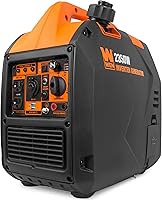
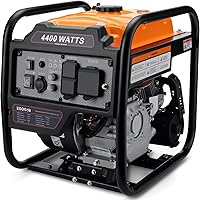
What Can a Jackery Explorer 500 Run?
A jackery power station 500 can run small and medium devices as long as their running watts stay under the station's rated output and their startup surge stays under its peak limit. Check the device label first, then split the load so the total stays in range.
On this page (9 sections)
- How does a Jackery 500 power station work for daily loads?
- What devices can a Jackery Explorer 500 run at home?
- Can a Jackery power station 500 run a fridge or freezer?
- How do you calculate runtime for a Jackery 500?
- Which small devices run longest on a mid-size station?
- What causes a Jackery station to shut off under load?
- How should you set up and care for a power station?
- Which Jackery size fits your load best?
- What is the final rule for a jackery power station 500?
A jackery power station 500 can run lights, phones, laptops, small fans, and some small appliances when the combined watts stay under the rated limit. It will struggle with high-draw heat, large kitchen loads, or a fridge whose compressor needs a big surge.
Your job is to match the device label to the station before you plug anything in.
That simple rule saves failed starts. A device can look small and still ask for a sharp burst of power at turn-on.
Motors, compressors, and heating elements often need that burst. If the burst is too high, the station may shut off even if the running load looks fine.
How does a Jackery 500 power station work for daily loads?
A portable power station stores energy in a battery and changes it to AC power for normal plugs. You connect a device, turn on the station, and draw from the stored watt-hours until the battery runs low.
The draw rate decides runtime more than the brand name does.
Think in two numbers for every device. Running watts tell you how much power it needs once it is on.
Starting watts tell you how much it may need for a split second when a motor starts. Both numbers must fit, or the run can end early.
Our look at the specs shows why size labels can mislead. The Jackery Explorer 300 Portable Power Station has 292Wh and a 300W rated output with 600W peak surge.
The Jackery Explorer 1000 v2 Portable Power Station jumps to 1,070Wh, 1,500W output, and 3,000W surge. That gap is the gap between charging phones and running larger home loads.
Use the smaller unit for light loads.
What devices can a Jackery Explorer 500 run at home?
At home, a mid-size station suits devices that draw steady, modest power. Lights, phone chargers, laptops, a router, a small fan, and a TV often fit that pattern.
You can run a few at once if you add up their watts and stay under the rated limit.
Heat is the hard line. Hair dryers, space heaters, toasters, kettles, and microwaves can draw far more than a mid-size station gives.
Jackery notes that high-draw kitchen appliances need a larger model. Keep a short list of running watts on the fridge and add them up before an outage.
If you want a broader view of sizes, our best portable battery power station guide explains how capacity and output differ.
Can a Jackery power station 500 run a fridge or freezer?
A fridge is the hardest test for a mid-size station. Its compressor can need a surge many times its running draw at start-up, and that surge can trip the station even if the fridge runs fine once cold.
Check the fridge label for running watts and the manual for starting watts before you rely on it. If starting watts are not printed, treat the fridge as a risk and do not assume a small fridge will start just because it looks small.
Runtime is the second problem. Even a fridge that starts will cycle on and off for hours, and each start drains stored energy faster than a steady load.
Keep the door shut to protect food. For a full-size fridge, a larger station gives more headroom.
The Jackery Explorer 1000 v2 Portable Power Station lists 1,500W output and 3,000W surge, and Jackery says it can power AC units, fridges, and electric pots. That does not mean every fridge will run all night.
How do you calculate runtime for a Jackery 500?
Runtime math starts with usable energy, not the headline number. Inverters lose some energy as heat, so you should use about 85% to 90% of the stored watt-hours for a safe estimate.
Then divide by the device's watts.
Jackery gives a clear example for the Explorer 300. The formula is 300Wh times 0.85, divided by the device power.
A 60W device gives about 4.3 hours. That same method works for your 500-class unit if you use its stored watt-hours and your device watts.
Add self-use to the math. A station uses a little power just by staying on.
That draw matters most with small loads that run for many hours. A phone charger that sips power can still drain a battery if the station's own draw eats into the total.
Test one device at a time during calm weather. Note the start time and the battery level after an hour.
That real-world rate helps you plan for an outage better than any label alone.
Which small devices run longest on a mid-size station?
Small electronics give the best runtime because they draw few watts. Phones, tablets, cameras, drones, and laptops can run for many hours from a few hundred watt-hours.
USB ports tend to waste less energy than AC ports since they skip the inverter step. String lights, small fans, and a router fit the same low-power pattern, though a fan with a motor still needs a check.
CPAP use needs care. Jackery lists the Explorer 300 as a dependable CPAP battery for camping, but your machine model and settings decide the draw, since heated humidifiers can raise the load a lot.
Talk with your care team about backup plans for sleep devices.
The BLUETTI Elite 30 V2 Portable Power Station has 288Wh, 600W continuous output, and 1,500W surge in Power Lifting Mode. BLUETTI says it can run camping lights, speakers, car fridges, laptops, CPAP machines, and even a small kettle or toaster.
What causes a Jackery station to shut off under load?
An overload shut off usually means the total watts passed the rated limit. That can happen when you add a second device without adding up the watts.
It can also happen when a motor asks for surge power at start-up.
Heat can cause the same result. A station in a hot car, a closed tent, or direct sun may shut off to protect the battery.
Give the unit space to breathe and keep vents clear of cloth and bags.
Low battery can look like a fault too. As the battery nears empty, output can drop or stop.
Recharge the unit and test again with a single small load to see if it recovers.
The Explorer 300 description states the rule plainly. It powers devices under 300W total and shuts off if overloaded.
That logic applies across the line. Stay under the rated total, respect the surge cap, and keep the unit cool.
How should you set up and care for a power station?
Store the unit at the charge level the maker advises and check it before long storage. LFP batteries hold charge well, but a flat battery after months on a shelf helps no one, so check the level each season and top it up if needed.
Keep vents clear and the case dry. Wipe dust from the shell, check that outlet covers still close, and store it where temperature stays moderate.
The Explorer 300 reaches full charge in about 3 hours with 100W USB-C, about 4 hours from a car port, or about 3.5 hours with a Jackery SolarSaga 100W panel. The Explorer 1000 v2 charges in 1 hour with emergency charging through the Jackery App, or about 1.7 hours by default to protect battery health.
Solar panels are not included with these models. Jackery states the panel is not included for both units, and the Explorer 1000 v2 works only with Jackery solar panels, so plan that cost and cable need before you count on solar backup.
Which Jackery size fits your load best?
Pick the size by the largest device you must run, not by the smallest. Phones, lights, and a laptop may suit a 300-class unit, but a fridge, a power tool, or several AC loads at once call for a step up.
Compare output first. The Explorer 300 gives 300W rated and 600W peak, the BLUETTI Elite 30 V2 gives 600W continuous and 1,500W surge in Power Lifting Mode, and the Explorer 1000 v2 gives 1,500W output and 3,000W surge.
Then compare capacity for time. The Explorer 300 and the BLUETTI Elite 30 V2 both sit near 290Wh, so runtime will be close for the same draw.
The Explorer 1000 v2 holds 1,070Wh, so it can run the same load for roughly three to four times as long, minus losses.
For Jackery-specific picks, our best jackery power stations guide puts the line in context. If you plan to move a larger unit, check best jackery power station trolley options for weight, and see best jackery power station case before your next trip.
For solar pairing, best jackery explorer 1000 v2 solar panel helps you match panel size to charge goals. Campers should also read best jackery power station for camping to match size to tent and car use.
If your needs grow past a 500-class unit, read jackery power station 3000 to see what a much larger class can run.
What is the final rule for a jackery power station 500?
The final rule is simple. Add up the running watts, check the surge for motors, and stay under both limits with room to spare.
If the math is close, leave one device out or step up a size.
For lights, phones, laptops, and small fans, a 500-class station is a solid fit. For a fridge, check the compressor numbers in full before you count on it during an outage.
For heat and large kitchen loads, choose a larger unit or a different backup plan.
We compared the specs across the line and the pattern is clear. Output decides what starts.
Capacity decides how long it runs. Match both to your real load list, and you will get the most from any Jackery station you choose.
Frequently asked questions
Can a Jackery Explorer 500 run a fridge?
It may run a small fridge if the fridge's running watts and startup surge fit the station's limits. Check both numbers on the fridge label, add other loads, and expect short runtime.
A larger station suits a full-size fridge better.
How do I estimate runtime?
Divide usable watt-hours by the device's watts, then allow for inverter loss. For example, a 60W device on a 292Wh station with 85% efficiency gives about 4.3 hours.
Real use changes with load, temperature, and battery age.
Why does a power station shut off?
Most shut offs come from overload, low battery, or heat. The total watts may exceed the rated output, or a motor surge may exceed the peak limit.
Unplug the largest device, let the unit cool, and test one device at a time.
What should I check before I buy?
Check rated output, peak surge, battery capacity, outlet types, and recharge options. Make sure the ports fit your devices and that solar panel compatibility is clear.
For a fridge, confirm the compressor surge with care.