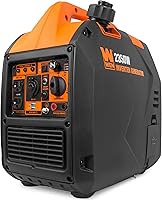
9 Best Expandable Portable Power Stations (November 2026)
The best expandable portable power stations include the Jackery Explorer 300 Portable Power Station for light camping power, the EF ECOFLOW Portable Power Station Delta for fast home backup, and the BLUETTI Portable Power Station AC180 for growing capacity.
On this page (10 sections)
- Expandable power stations compared by growth path
- How we compared these expandable power stations
- The best expandable portable power stations, in score order
- How many watt-hours do you need for expandable power stations?
- What AC output and surge do you need?
- How fast should an expandable station recharge?
- What UPS time do you need for sensitive gear?
- How heavy is too heavy for portable power stations?
- How do you size an expandable system as needs grow?
- Which expandable power station should you buy?
The best expandable portable power stations are the ones that add a named extra battery and state a clear maximum total. The BLUETTI AC180, OUPES Mega 1, DJI Power 2000, EF ECOFLOW RIVER 3 Plus, AFERIY 3840Wh and Jackery HomePower 3600 Plus all state a growth path.
The Jackery Explorer 300, EF ECOFLOW Delta 3 Classic and BLUETTI Elite 30 V2 do not state a compatible extra battery, so we do not call them expandable here.
Our score weighs specs, features and buyer feedback against what you are shopping for. That means expansion path, starting capacity, output, charging speed and portability all count.
A light station with no expansion can still score well for camping, but it will not beat a system that grows for home backup.
Start with the job, not the badge. If you need a fridge through a short outage, capacity matters more than a huge surge rating.
If you need to start a pump or heater, watts and surge matter first. If you carry power on foot, weight matters more than a large ceiling you will never use.
Use our complete buying guide for the best portable battery power station if you want the full terms explained. For larger loads, our best high capacity portable power station guide covers the 1kWh and up class in more depth.
Our picks at a glance
-
1
 Best for light camping power
Jackery Explorer 300 Portable Power Station
9.7/10 our score
See it on Amazon -
2

-
3

- 4
 Check it
BLUETTI Elite 30 V2 Portable Power Station
Best for small emergency backup - 5
 Check it
OUPES Mega 1 Portable Power Station 1024Wh
Best for modular expansion - 6
 Check it
DJI Power 2000 Portable Power Station
Best for large expansion headroom - 7
 Check it
EF ECOFLOW Portable Power Station River
Best for small expandable systems - 8
 Check it
AFERIY 3840Wh Portable Power Station
Best for whole-home backup - 9
 Check it
Jackery HomePower 3600 Plus Power Station
Best for long-duration home backup
Expandable power stations compared by growth path
The table below puts starting capacity next to the stated maximum. That gap is the whole point of an expandable power station.
A wide gap helps when needs grow, but it also means more batteries to buy, store and move later.
| Product | Best for | Capacity | Output | Weight | Our score |
|---|---|---|---|---|---|
| Jackery Explorer 300 Portable Power Station | light camping power | 292Wh | 300W | 7.5 lb | 9.7 |
| EF ECOFLOW Portable Power Station Delta | fast home backup | 1024Wh | 1800W | 26.7 lb | 9.5 |
| BLUETTI Portable Power Station AC180 | growing capacity | 1152Wh | 1800W | 37.4 lb | 9.5 |
| BLUETTI Elite 30 V2 Portable Power Station | small emergency backup | 288Wh | 600W | 9.4 lb | 9.4 |
| OUPES Mega 1 Portable Power Station 1024Wh | modular expansion | 1024Wh | 2000W | 27.8 lb | 9.0 |
| DJI Power 2000 Portable Power Station | large expansion headroom | 2048Wh | 3000W | 21.72 kg | 8.8 |
| EF ECOFLOW Portable Power Station River | small expandable systems | 286Wh | 600W | 10.4 lb | 8.5 |
| AFERIY 3840Wh Portable Power Station | whole-home backup | 3840Wh | 3600W | 80.46 lb | 8.3 |
| Jackery HomePower 3600 Plus Power Station | long-duration home backup | 3584Wh | 3600W | 77.2 lb | 8.1 |
How we compared these expandable power stations
We checked each maker's stated expansion batteries, maximum total, output, surge, charging time and weight. We did not add a growth path where the data does not name one.
That is why some strong stations sit lower for this search even though they score well for camping or small backup.
We also separated capacity from power. X-Boost, power lifting and app boost modes raise output for short periods.
They do not add watt-hours. Only a named extra battery adds runtime.
We looked at UPS time where backup use is likely. A sub 10ms switch helps PCs, routers and medical devices stay on during a cut.
A 20ms switch is still useful, but it is a different class for sensitive gear.
The best expandable portable power stations, in score order
Read this section by your starting size. Small systems suit camping and desk backup.
Mid-size systems suit fridges and home offices. Large systems suit whole-home loads, but they need space and help to move.
Jackery Explorer 300 Portable Power Station: Best for light camping power
- 292Wh capacity
- 300W output, 600W surge
- 7.5 lb, integrated handle
- LiFePO4, 4,000 cycles to 70%
A light, small station for laptops, cameras and camping gear. It is not stated to take an extra battery, so treat its 292Wh as fixed.
Pros
- Very light at 7.5 lb
- LiFePO4 with 4,000 cycles to 70%
- 2 AC outlets plus USB-C PD
Cons
- No extra battery stated
- 300W limits higher-load appliances
The Jackery Explorer 300 suits campers and photographers who carry power on foot. At 7.5 lb with 292Wh and 300W output, it runs laptops, drones, cameras and small camping gear without much drag.
Its LiFePO4 chemistry gives over 4,000 cycles before reaching 70% capacity. Jackery says that works out to more than 11 years of service life.
For a light unit, that cycle life is a real plus for repeat weekend use.
Ports cover the usual spread. You get 2 AC outlets, a 100W USB-C PD port, 2 USB-A ports and a 120W car port.
That mix suits a tent or a small work site where several devices charge at once.
Recharging options also fit travel. Jackery states about 80% in 2.8 hours with a 100W solar panel, and a 4 hour charge time in the specs.
You can also charge devices while it recharges.
The trade-off is fixed capacity. No extra battery is stated for this unit, so 292Wh is the ceiling.
Use the best portable power station with AC outlet guide if outlet count matters more than expansion.
EF ECOFLOW Portable Power Station Delta: Best for fast home backup
- 1024Wh, 1800W, 3600W surge
- X-Boost to 2600W
- 0 to 80% in 45 minutes
- Under 10ms UPS
A 1024Wh, 1800W station for fridges and home essentials. It is not compatible with Delta 2 or Delta 3 extra batteries, so growth here is power, not capacity.
Pros
- 1800W for fridges and microwaves
- Fast AC charging
- Under 10ms UPS
Cons
- No compatible extra battery stated
- 26.7 lb is heavy for hiking
The EF ECOFLOW Delta 3 Classic suits home backup for a fridge, microwave, laptops and lights. At 1024Wh and 1800W output with 3600W surge, it handles loads that small stations cannot start.
X-Boost raises output to 2600W for heavier short loads. That helps with appliances that need a higher peak, but it does not add stored energy.
Runtime still comes from the 1024Wh battery.
Charging is fast. EF ECOFLOW says 0 to 80% in 45 minutes on AC, and solar recharge in 2.5 hours with a 500W panel.
A sub 10ms UPS protects PCs and medical devices during a cut.
Battery life also suits daily backup. It uses LiFePO4 cells rated for 10 plus years of daily use, with a smart battery management system.
The EcoFlow app lets you monitor use and set backup modes.
The trade-off is expansion. This unit is not compatible with Delta 2 or Delta 3 extra batteries.
If growth is your main goal, the RIVER 3 Plus or AC180 fits better than this Delta.
BLUETTI Portable Power Station AC180: Best for growing capacity
- 1152Wh LiFePO4
- 1800W, boost to 2700W
- Expands with B80, B230, B300
- 20ms UPS
Starts at 1152Wh and adds B80, B230 or B300 batteries for longer runtime. That makes it a clear pick for expandable power stations.
Pros
- Expands with three battery types
- 8 outlets, 1800W output
- Full charge in 1 hour at 1440W AC input
Cons
- 37.4 lb is heavy
- Extra batteries and cables cost more
The BLUETTI AC180 suits buyers who want to start mid-size and grow later. It starts at 1152Wh with 1800W output and 8 outlets, then adds B80, B230 or B300 batteries for more runtime.
That expansion list is the key reason it ranks high here. You can add capacity in steps as your fridge, router or work gear needs more hours.
Check the cable type for each battery, because B80 and B230 or B300 use different connections.
It also charges in 1 hour at 1440W AC input, and takes 500W solar input. Solar alone takes about 2.8 to 3.3 hours at that input.
A 20ms UPS covers home backup use, though it is slower than sub 10ms systems for very sensitive gear.
The 8 outlets make a real difference at home. You can run a fridge, router, lights and a laptop at once without moving plugs.
The BLUETTI app adds a boost to 2700W for higher needs.
The trade-off is weight and cost. At 37.4 lb, it is not a hiking pick.
Extra batteries and cables add cost, so buy the station first and add batteries only when your load proves the need.
BLUETTI Elite 30 V2 Portable Power Station: Best for small emergency backup
- 288Wh, 600W, 1500W surge
- 9.4 lb
- 10ms UPS
- 0 to 80% in 45 minutes
A compact 288Wh station for CPAP, laptops, routers and camping lights. No extra battery is stated, so its runtime stays fixed.
Pros
- Light at 9.4 lb
- 600W output, 1500W surge
- 10ms UPS
Cons
- No extra battery stated
- 288Wh is small for fridges
The BLUETTI Elite 30 V2 suits small emergency backup and short trips. At 288Wh, 600W output and 9.4 lb, it runs CPAP machines, laptops, routers, camping lights and car fridges.
Power Lifting Mode raises output to 1500W for short loads like a small kettle or toaster. That surge helps start appliances, but the 288Wh battery still limits total hours.
Charging is quick for its size. BLUETTI says 0 to 80% in 45 minutes and 0 to 100% in 70 minutes on wall charge.
A 10ms UPS protects laptops and routers during a sudden cut.
Efficiency helps stretch that small battery. BLUETTI states 50% lower power consumption with UltraCell tech, and standby power of 4.5W.
That means less energy is lost just keeping the unit ready.
The trade-off is fixed capacity. No extra battery is stated, so it cannot grow like the RIVER 3 Plus.
If you want a small unit that grows, spend on the RIVER system instead.
OUPES Mega 1 Portable Power Station 1024Wh: Best for modular expansion
- 1024Wh to 5120Wh
- 2000W, 4500W surge
- Two B2 extra batteries
- Under 20ms UPS
Add two B2 batteries to reach 5120Wh for growing home or work loads. The growth path is stated in plain terms.
Pros
- Scales to 5120Wh
- 2000W continuous output
- 0 to 80% in 36 minutes on AC
Cons
- Extra batteries are separate
- 27.8 lb needs a cart or trolley
The OUPES Mega 1 suits home, work and mobile office use where runtime needs to scale. It starts at 1024Wh with 2000W output and 4500W surge, then adds two B2 batteries to reach 5120Wh.
That stated path to 5120Wh is clear and useful. Add one battery for longer fridge and router backup, then add a second for overnight or workday loads.
You do not need a second inverter, because the batteries feed the same station.
Charging is fast on AC, with 0 to 80% in 36 minutes. OUPES also states 26 minutes when AC and solar combine.
A sub 20ms UPS protects servers and workstations during an outage.
The port mix suits work use too. OUPES lists dual 100W USB-C PD ports, four QC3.0 USB-A ports, 12V DC outputs and AC outlets.
The smart BMS balances cells and helps protect the LiFePO4 pack.
The trade-off is size and cost. At 27.8 lb before extra batteries, it needs a cart or trolley.
The two B2 batteries are separate, so plan the full cost before you commit to the 5120Wh total.
DJI Power 2000 Portable Power Station: Best for large expansion headroom
- 2048Wh LFP
- 3000W output
- Expands to 22.5kWh
- 10ms UPS
Starts at 2048Wh and can expand to 22.5kWh with separate batteries. That is the largest stated ceiling here.
Pros
- 2048Wh starting capacity
- 3000W stable output
- Expansion to 22.5kWh
Cons
- Expansion batteries sold separately
- Solar and car need separate adapters
The DJI Power 2000 suits RV, camping and home backup users who want a large expansion ceiling. It starts at 2048Wh with 3000W output, which is more starting energy than most picks here.
DJI states expansion up to 22.5kWh with separate batteries. That ceiling suits multi-day outages, but it is a large system to build and store.
Buy it only if you expect to use that much energy.
It runs as low as 30 dB, which helps in an RV at night. A 10ms UPS keeps devices on during a cut, and DJI says it runs 99% of appliances, though you should still check your own load against 3000W.
The 15 ports also help group use. DJI lists dual full SDC ports among those outputs, which suits camping or RV trips where four or five people charge phones, lights and laptops together.
The trade-off is adapters. MPPT and car charging modules are not built in, so solar and car use need separate compatible adapters.
That adds cost and parts to a system that already costs more.
EF ECOFLOW Portable Power Station River: Best for small expandable systems
- 286Wh, 600W, 1200W surge
- Expands to 858Wh
- EB300 or EB600 batteries
- Under 10ms UPS
Start light at 286Wh, then add EB300 or EB600 batteries to reach 858Wh. It is the simplest small-to-medium growth path here.
Pros
- Expands to 858Wh
- Under 10ms UPS
- 10.4 lb starting weight
Cons
- 600W limits large appliances
- Extra batteries add weight fast
The EF ECOFLOW RIVER 3 Plus suits buyers who want a small station that grows in steps. It starts at 286Wh and 10.4 lb, then adds EB300 or EB600 batteries to reach 858Wh.
That growth path is simple to plan. Add the EB300 for a modest boost, or the EB600 for a larger jump.
The Pogo Pin connection clips on without complex wiring, and the extra battery adds a 140W USB-C port.
Output is 600W steady and 1200W with X-Boost. That suits laptops, lights, fans and small appliances, but not fridges with high start loads.
A sub 10ms UPS protects home office and gaming gear.
Charging fits daily use. It reaches 0 to 100% in 1 hour on AC, and about 1.5 hours with 220W solar input.
At 30 dB, it also stays quiet at a desk or in a tent.
The trade-off is power, not capacity. If you need to run a fridge or heater, move up to the AC180 or a 1kWh station.
If your loads stay under 600W, this is the easiest small expandable pick here.
AFERIY 3840Wh Portable Power Station: Best for whole-home backup
- 3840Wh, 3600W output
- Expands to 11.5kWh
- Under 10ms UPS
- 15 output ports
A 3840Wh, 3600W station that expands to 11.5kWh for home backup. It is large, heavy and built for fixed use.
Pros
- Starts at 3840Wh
- 3600W for major loads
- Expands to 11.5kWh
Cons
- 80.46 lb is very heavy
- Needs fixed placement and help to move
The AFERIY 3840Wh suits whole-home backup where a fridge, router, lights and security gear run together. It starts at 3840Wh with 3600W continuous output, then expands to 11.5kWh with added packs.
That starting size is the point. AFERIY says typical essentials run about 17 hours, and a fridge runs 1 to 2 days depending on the appliance and use.
Actual runtime depends on load, so check your own watts before you rely on those figures.
A sub 10ms UPS helps computers, cameras and medical freezers switch without a gap. It also takes 15 output ports, so several loads can run at once without a power strip.
Recharging covers more cases. AFERIY lists AC wall, solar, car and AC plus solar, with as fast as 1.5 hours to full under supported input.
The app lets you monitor status and schedule charging.
The trade-off is weight and space. At 80.46 lb, it is a fixed unit, not a carry-along station.
It suits a garage, utility room or RV bay where it stays put and extra batteries sit nearby.
Jackery HomePower 3600 Plus Power Station: Best for long-duration home backup
- 3584Wh, 3600W output
- Expandable to 21kWh per unit
- 120V and 240V in parallel
- Wheels and telescopic handle
A 3584Wh home backup unit that expands to 21kWh per unit. Wheels and a handle help move it between rooms.
Pros
- 3584Wh starting capacity
- Expands to 21kWh per unit
- Wheels and telescopic handle
Cons
- 77.2 lb is heavy
- Large expansion needs more units or batteries
The Jackery HomePower 3600 Plus suits long-duration home backup for pumps, heaters and dryers. It starts at 3584Wh with 3600W output, and expands to 21kWh per unit or 43kWh with multiple units.
That scale is built for outage planning, not camping. Jackery says it can power a 3-person household for over 2 weeks at the high expansion totals.
Your actual days depend on load, so size the system from your fridge, lights and medical gear first.
Dual voltage in parallel gives 120V and 240V options for larger loads. Four charging options help too, with hybrid AC plus DC in 2 hours, AC in 2.5 hours, solar in 4 hours or gas generator in 2.5 hours.
Safety and life also matter at this size. Jackery states 6,000 cycles and a 10 year lifespan, with ceramic membrane cells tested at 302 F.
That helps in cold or hot rooms where other batteries may struggle.
The trade-off is weight and complexity. At 77.2 lb, it needs wheels and a clear path.
The luggage-style design helps, but this is still a fixed home system that should stay in one place.
How many watt-hours do you need for expandable power stations?
Start with your must-run loads, not your wish list. Add a fridge, router, lights, phones and any medical gear.
That total in watts tells you the inverter size, and the hours you need tell you the watt-hours.
Use this simple math. Divide the battery watt-hours by your total watts to get rough hours, then cut that figure by about 15% for conversion loss.
A 1024Wh station at 100W gives about 8 to 9 hours after loss. At 500W, the same station gives under 2 hours.
Expansion helps when your hours are the problem. If the station starts your fridge but dies too soon, add a battery.
If it will not start the fridge, you need more watts or surge, not more watt-hours.
Can you charge an EV with an expandable power station?
Extra batteries do not fix a low inverter limit. Our guide to charging an EV with a portable power station explains why most units here are for home and camping loads, not full EV charging.
What AC output and surge do you need?
Output is the steady watts your station can deliver. Surge is the short peak that helps motors start.
Fridges, pumps and heaters often need surge above their running watts.
Match the inverter to the peak, then match capacity to the hours. A 600W station with 1200W surge can start some small motors, but it will not run a 1500W heater for long.
A 1800W or 3600W station gives more headroom for home loads.
Which ports matter for backup use?
Count AC outlets for fridges, routers and TVs. Count USB-C PD for laptops and phones.
Count DC and car ports for lights and small gear. The AFERIY has 15 ports, the AC180 has 8 outlets, and the RIVER 3 Plus has 7 outlets including 3 UPS-supported AC ports.
How fast should an expandable station recharge?
Fast AC charging matters when outages repeat. The AC180 charges in 1 hour at 1440W AC input.
The OUPES Mega 1 reaches 80% in 36 minutes on AC. The DJI Power 2000 reaches 80% in 55 minutes.
Solar charging suits off-grid use but depends on sun and panel size. The Delta 3 Classic takes 2.5 hours with a 500W panel.
The RIVER 3 Plus takes about 1.5 hours with 220W solar input. Car charging is slowest and suits topping up on a road trip.
How do charging modes affect daily use?
Wall charging is best when you are home and outage risk is high. Solar suits cabins and RVs where panels are already set up.
Combined AC plus solar helps when time matters most, as with the OUPES Mega 1 at 26 minutes to 80%.
What UPS time do you need for sensitive gear?
A UPS switch time is how fast the station takes over during a cut. Sub 10ms suits PCs, routers, NAS gear and medical devices.
The Delta 3 Classic, Elite 30 V2, RIVER 3 Plus, AFERIY and DJI all state 10ms or under.
The AC180 states 20ms and the OUPES Mega 1 states under 20ms. Those still protect most gear, but sub 10ms is the safer pick for data and medical loads.
If you run an industrial portable power station for work gear, confirm UPS time and output before you commit loads.
How heavy is too heavy for portable power stations?
Weight decides where a station can go. The Explorer 300 at 7.5 lb and Elite 30 V2 at 9.4 lb suit backpacks and car trunks.
The RIVER 3 Plus at 10.4 lb suits short carries. The Delta 3 Classic at 26.7 lb and AC180 at 37.4 lb suit carts and fixed rooms.
Large systems stay put. The AFERIY at 80.46 lb and Jackery HomePower at 77.2 lb need wheels, ramps or two people.
Our best portable power station on wheels guide helps if you plan to roll a unit between rooms.
How do you size an expandable system as needs grow?
Buy the station for your current must-run loads, then add batteries when you add loads. That order avoids paying for capacity you do not need in year one.
It also keeps the first unit light enough to carry or store.
Start small if your loads are small. The RIVER 3 Plus grows from 286Wh to 858Wh, which suits laptops, lights and small appliances.
Start mid-size if a fridge is in the plan. The AC180 starts at 1152Wh and adds B80, B230 or B300 packs.
Start large only for home backup. The AFERIY and Jackery HomePower start near 3.6kWh and grow past 11kWh.
That class suits multi-day outages, but it needs space, ventilation and a fixed spot.
Check compatibility before you buy any extra battery. The Delta 3 Classic is not compatible with Delta 2 or Delta 3 extra batteries.
The AC180 needs different cables for different batteries. The DJI Power 2000 needs separate adapters for solar and car charging.
Which expandable power station should you buy?
The best expandable portable power station for most buyers is the BLUETTI AC180, because it starts at 1152Wh and adds three named battery types. Pick the EF ECOFLOW RIVER 3 Plus if your loads stay under 600W and you want the easiest small growth path to 858Wh.
Pick the OUPES Mega 1 if you want a clear path to 5120Wh for work or home loads. Pick the DJI Power 2000 if you want the largest stated ceiling at 22.5kWh.
Pick the AFERIY 3840Wh or Jackery HomePower 3600 Plus for whole-home backup that stays in one place.
Skip expansion if weight is your main limit. The Jackery Explorer 300 and BLUETTI Elite 30 V2 are strong light picks, but neither states an extra battery.
For budget small picks, see our buying guides before you decide.
Next, list your must-run loads and total watts. Then choose the smallest station that starts those loads, and add batteries only when your hours fall short.
That order keeps cost, weight and runtime in balance as needs grow.
Our top 3 picks at a glance
-
1
Best for light camping power
Jackery Explorer 300 Portable Power Station
9.7/10 our score
See it on Amazon -
2
-
3
Frequently asked questions
What makes a portable power station expandable?
An expandable station accepts extra batteries so total watt-hours rise without a new inverter. Check the exact battery names, cable needs and maximum total before you buy, because one unit may add two batteries while another adds none.
How much runtime does extra capacity add?
Runtime follows watt-hours divided by load, after conversion loss. A 100W fridge uses about 10Wh per hour before loss, so adding 1000Wh can add roughly 8 hours at that load.
Higher loads cut runtime fast.
Can I mix old and new extra batteries?
Use only batteries the maker lists for your model. Some systems need a specific cable or a matching battery type.
Mixing unlisted packs can cause charging errors or void coverage, so check the model list first.
Do I need a bigger inverter for more runtime?
No. Extra batteries add energy, not AC output.
If your fridge will not start, you need more watts or surge, not more watt-hours.
Size the inverter for the peak load, then size capacity for the hours you need.