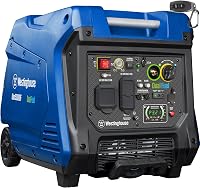
9 Best Dual Fuel Generators (November 2026)
The best dual fuel generators include the WEN for flexible home backup, the WEN Quiet and Lightweight 3600-Watt Dual Fuel for quiet RV power, and the Westinghouse 12500 Watt Dual Fuel Home Backup for high-output home backup.
On this page (4 sections)
The best dual fuel generator for most homes is the WEN 4,750-Watt Portable Generator, with gasoline and propane operation, 120V/240V output and electric start. It sits in a useful middle range, so it can cover essential household loads without the size and storage demands of the largest models here.
Choose the WEN inverter for quieter RV power, the Westinghouse 12,500-watt model for larger home loads, or the DuroMax for maximum portable output. The right pick depends on what you plan to run first, not only on the highest wattage number on the label.
Dual fuel means you can switch between gasoline and propane. Gasoline generally gives these generators their higher output, while propane offers longer storage and another fuel option during an outage.
That choice matters in daily use. Gasoline may suit short runs when you need every available watt, while propane can be handy when you already store tanks for grilling or heating and want a cleaner burning option kept on hand.
Think about starting loads as well as running loads. Refrigerators, sump pumps and air conditioners can draw a brief surge when they start, so a generator that looks large enough on paper may still struggle if several motors try to start together.
If you want battery-based emergency power instead, compare our guide to the best portable battery power station. For Champion models, see the best champion inverter generator dual fuel roundup.
Battery stations suit quiet indoor use and instant power for small devices, while fuel generators suit longer outages and heavier loads. Many households keep both, using the battery for phones and lights and the generator for larger appliances.
Set a clear priority list before you shop. Note which items must run during an outage, which can wait, and which outlets you will actually use, since that plan will make the size and fuel choice much clearer.
Our picks at a glance
-
1

-
2
 Best for quiet RV power
WEN Quiet and Lightweight 3600-Watt Dual Fuel
9.6/10 our score
See it on Amazon -
3
 Best for high-output home backup
Westinghouse 12500 Watt Dual Fuel Home Backup
9.5/10 our score
See it on Amazon
- 4
 Best for maximum portable outputCheck it
- 5
 Check it
Westinghouse 6500 Watt Dual Fuel Home Backup
Best for balanced home and RV use - 6
 Check it
PowerSmart 4400 Watt Dual Fuel Portable Generator
Best for compact inverter power - 7
 Check it
BILT HARD 5500W Dual Fuel Inverter Generator
Best for monitored portable power - 8
 Check it
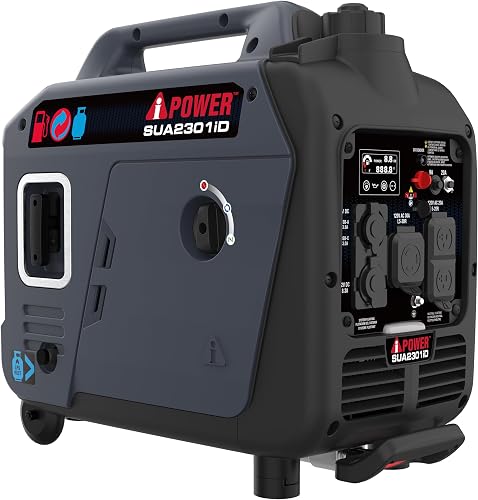
A-iPower 2300W Dual Fuel Inverter Generator
Best for lightweight camping power - 9
 Best for three-fuel flexibilityCheck it
The best dual fuel generators for different power needs
The best dual fuel generators differ most in output, portability, fuel control and outlet layout. Match the generator to your largest starting load before giving extra weight to convenience features.
A model that is too small will leave you switching loads on and off, while a model that is far larger than needed can be harder to move and store. Outlet shape matters too, because a 120V home outlet, a 240V transfer switch outlet and an RV outlet all serve different jobs.
Fuel choice also changes the trade off. Gasoline often gives more power, while propane can simplify storage, so check the running watts on both fuels before you decide.
WEN: Best for flexible home backup
- 4,750 surge watts on gasoline
- 3,500 running watts on propane
- 120V/240V selector
- Electric start
The WEN combines gas and propane operation with 120V/240V output, electric start and a wheel kit. It fits buyers who want one generator for emergency backup and general portable use.
Pros
- Gasoline and propane operation
- 120V/240V output
- Electric start and wheel kit
Cons
- Heavier than the inverter picks
- Lower output on propane
The WEN DF475T is the strongest general-purpose choice for buyers who need flexible home backup without moving into the largest generator class. Gasoline produces 4,750 surge watts and 3,800 running watts, while propane produces 4,350 surge watts and 3,500 running watts.
Its voltage selector switches between 120V and 240V. That makes it more useful for transfer-switch setups than a 120V-only portable generator, but installation should follow local electrical requirements.
Electric start powers the 224cc engine with a key. The 4-gallon tank supports up to 11 hours at half load, and the wheel and handle kit helps with movement.
The control panel includes two 120V GFCI outlets, a 120V/240V NEMA 30A twist-lock outlet and a 12V DC plug. WEN also includes a 47-inch LPG hose, oil, wheel and handle kit, and a 2-year warranty.
Choose this model when you want a middle-size generator that can serve home backup, jobsite and general portable needs. If propane connections are your main concern, compare our guide to the best dual fuel generator propane hose.
WEN Quiet and Lightweight 3600-Watt Dual Fuel: Best for quiet RV power
- 3,600 surge watts on gasoline
- RV-ready TT-30R outlet
- Clean inverter power
- CO Watchdog
This WEN inverter is a strong fit for RVs, camping and sensitive electronics. Its 49 lb design and fuel shut-off make it easier to move and store than larger open-frame units.
Pros
- 49 lb portable design
- RV-ready outlet
- Clean inverter power
Cons
- Less output than home-backup models
- No electric start listed
The WEN DF360iX is the best fit for quieter portable use, especially when you need RV power or clean output for electronics. For a higher-output WEN inverter, see what the WEN 6800 can run.
It produces 3,600 surge watts and 2,900 rated watts on gasoline, or 3,500 surge watts and 2,600 rated watts on propane.
Its inverter design produces clean power for smartphones, tablets, laptops and monitors. For a battery-based alternative, compare solar generators and power stations.
Read our Anker SOLIX C1000 review. The 49 lb frame is much easier to move than the open-frame home backup models.
The generator includes a TT-30R RV receptacle, two 120V receptacles, a 12V DC receptacle and two 5V USB ports. A fuel shut-off helps use remaining carburetor fuel before shutdown.
WEN lists operation at 65 dB at quarter load. The CO Watchdog sensor can shut the generator down when dangerous carbon monoxide levels are detected.
Choose this one for RV trips, camping and electronics. For more inverter options, see the best dual fuel inverter generator guide and the best dual fuel generator for camping roundup.
Westinghouse 12500 Watt Dual Fuel Home Backup: Best for high-output home backup
- 12,500 peak watts on gasoline
- Remote electric start
- 50A RV-ready outlet
- 12-hour gasoline runtime
The Westinghouse WGen9500DF is built around high output, transfer-switch readiness and remote starting. It suits homeowners who need several major circuits powered during an outage.
Pros
- High gasoline and propane output
- Remote start key fob
- 120/240V 50A outlet
Cons
- Large and heavy
- More generator than small loads require
The Westinghouse WGen9500DF is the best dual fuel generator here for high-output home backup. Gasoline delivers 12,500 peak watts and 9,500 running watts, while propane delivers 11,200 peak watts and 8,500 running watts.
Its 120/240V 14-50R 50A outlet and transfer-switch-ready L14-30R outlet give you more connection choices for large household loads. The 457cc engine and 6.6-gallon tank support up to 12 hours of gasoline runtime.
Remote electric start adds convenience during bad weather. The VFT display shows voltage, frequency and lifetime hours, while automatic low-oil shutdown adds a basic operating safeguard.
This model includes a key fob, battery charger, oil, funnel, tool kit, manual and propane hose. Choose it when refrigerator, sump pump, air-conditioning or several household circuits may run together.
See the best westinghouse dual fuel generator guide for more models. If remote starting matters most, compare the best dual fuel generator with remote start.
DuroMax XP13000HX: Best for maximum portable output
- 13,000 watts
- 500cc OHV engine
- 50A transfer-switch-ready outlet
- Electric start
The DuroMax XP13000HX is the highest-output pick here. Its 13,000-watt rating and 50A outlet make it a fit for demanding home backup, but its 245 lb weight requires careful placement planning.
Pros
- Highest output in this roundup
- Gas and propane flexibility
- Wide outlet selection
Cons
- Heaviest pick
- Needs substantial storage space
The DuroMax XP13000HX is the highest-output generator in this group, with 13,000 watts and a 500cc OHV engine. It is designed for whole-home backup, RV use, emergency power and commercial or residential work.
The front interface lets you change fuel type, while the push-button start reduces the effort needed to begin operation. Its outlets include four 120V GFCI outlets, a 120V 30A outlet, a 120/240V 30A twist-lock outlet and a 120/240V 50A outlet.
That outlet range is the main reason to consider this size. It can feed household circuits through a transfer switch, connect to large RV loads, and still leave standard outlets for smaller devices, though load management is still essential.
The steel unit weighs 245 lb, so plan the storage location before buying. The wheel and handle kit helps with relocation, but this is not a small generator for frequent lifting.
Set up should include a level outdoor spot away from doors and windows, plus a planned path for moving the unit into position. Keeping the area clear of exhaust and fuel containers is part of safe daily use, not an afterthought.
Care is also straightforward in concept, even if the work takes time. Check oil before use, keep air vents clear, store fuel safely, and follow the manual for break in and service intervals.
Choose the DuroMax when output matters more than compact size. For a generator with a 50A connection, compare our best dual fuel generator with 50 amp plug guide.
Westinghouse 6500 Watt Dual Fuel Home Backup: Best for balanced home and RV use
- 6,500 peak watts on gasoline
- RV-ready TT-30R outlet
- CO shutdown
- 14.5-hour gasoline runtime
This Westinghouse model balances household backup output with an RV-ready 30A outlet. It is a practical middle ground for buyers who need more power than a compact inverter offers.
Pros
- Home and RV outlets
- CO and low-oil shutdown
- Long gasoline runtime
Cons
- Open-frame design is larger than an inverter
- Magneto ignition
The Westinghouse WGen5300DFcv is a balanced choice for home backup and RV use. Gasoline provides 6,500 peak watts and 5,300 running watts, while propane provides 5,800 peak watts and 4,800 running watts.
Its 4.7-gallon tank supports up to 14.5 hours of runtime, and the 120/240V selector lets you choose the voltage needed for your connection. The TT-30R outlet serves RV loads, while the L14-30R outlet is transfer-switch ready.
That mix suits households that want one unit for two jobs. At home, the transfer switch outlet can feed selected circuits, while on the road the RV outlet can power a travel trailer without extra adapters.
The 274cc engine includes automatic low-oil and carbon-monoxide shutdown. The control panel also has a fuel gauge, and the included wheel kit helps move the 135.6 lb frame.
The fuel gauge is a small detail that helps in practice. It encourages you to refuel before the tank runs dry, rather than discovering the level during a storm or another outage.
For care, keep the unit outdoors during use, check oil before starting, and store it dry with fuel handled according to the manual. At 135.6 lb, it is manageable with the wheel kit, but it is still a two person lift in many cases.
Choose this model when a compact inverter is too small but a 12,500-watt generator is excessive. It gives you a useful middle point for household circuits and travel-trailer power.
PowerSmart 4400 Watt Dual Fuel Portable Generator: Best for compact inverter power
- 4,400 starting watts on gasoline
- Inverter technology
- Eco mode
- Parallel-ready design
PowerSmart offers inverter power, dual-fuel flexibility and a 68 lb frame. Its 1.6-gallon tank supports up to 8 hours at 25% load on gasoline.
Pros
- Inverter technology
- Eco mode
- Parallel-ready design
Cons
- Heavier than the smallest inverter
- Lower output on propane
The PowerSmart 4400 Watt Dual Fuel Portable Generator suits buyers who want inverter technology without stepping down to a very small unit. Gasoline output is 4,400 starting watts and 3,600 running watts, while LPG output is 4,000 starting watts and 3,300 running watts.
Its 1.6-gallon tank supports up to 8 hours at 25% load on gasoline. PowerSmart also lists up to 24 hours at 25% load on a standard 20 lb propane tank.
That propane runtime is a real advantage for light loads. If you are running electronics, lights and a few small appliances at partial load, a propane tank can stretch far longer than the small gasoline tank suggests.
The control panel includes a 120V 30A twist-lock outlet, a 120V 20A household outlet, a 12V DC port and Eco mode. It weighs 68 lb and includes a 5-foot 2-stage LP regulator hose.
Eco mode suits quieter use when the load is light. It can help reduce noise and fuel use, though it will not make the unit silent and heavy motor loads may still need normal mode.
Set up is simple for most users, since the regulator hose is included and the frame is light enough to carry to a campsite or backyard. Store the unit outdoors while running, keep the air intake clear, and check oil before each use.
Choose it for sensitive electronics, small appliances and moderate backup loads. Its parallel-ready design can also suit buyers planning to pair two compatible inverter generators.
BILT HARD 5500W Dual Fuel Inverter Generator: Best for monitored portable power
- 5,500 starting watts on gasoline
- Digital display
- Economy mode
- CO auto-shutoff
The BILT HARD inverter provides a digital display for volts, frequency, amps, watts, runtime and fuel level. It fits buyers who want compact monitoring and parallel connectors.
Pros
- Detailed digital display
- Economy mode
- Parallel-ready design
Cons
- 90-day warranty description
- Small 1.14-gallon tank
The BILT HARD inverter generator is a useful choice when you want more monitoring information in a portable package. It produces 5,500 starting watts and 4,000 running watts on gasoline, or 5,000 starting watts and 3,600 running watts on LPG.
Its digital display cycles through volts, frequency, amps, watts, runtime hours and fuel level. Economy mode lowers engine speed under lighter loads, while the 1.14-gallon tank keeps the frame portable.
That display helps you learn what your loads actually draw. Watching watts and amps during normal use can show whether a fridge, charger or tool is near the limit, which makes load planning safer.
The 61.7 lb generator includes 120V outlets, a 120V 30A RV TT-30R outlet, 12V DC output, USB-C and USB-A support, and parallel connectors for two identical units.
Parallel connectors add flexibility for buyers who expect to grow. Two matching units can provide more capacity, but only if the models are identical and the connection steps in the manual are followed.
Care should focus on the small tank and the recoil start. The 1.14-gallon tank means more frequent refueling on gasoline, so propane may be more practical for longer light use.
Choose it when display information and parallel operation matter. Its warranty description is 90 days, so factor that into your decision.
A-iPower 2300W Dual Fuel Inverter Generator: Best for lightweight camping power
- 40.3 lb weight
- RV-ready outlet
- Parallel-ready design
- CO sensor
A-iPower is the lightest pick here at 40.3 lb. Its modest output suits camping, tailgating and smaller loads rather than whole-home backup.
Pros
- Lightest generator here
- RV-ready and parallel-ready
- Clean inverter output
Cons
- Lowest output in the roundup
- Recoil start
The A-iPower 2300W Dual Fuel Inverter Generator is the best match for camping and tailgating when low weight matters most. It weighs 40.3 lb and produces 2,300 starting watts and 1,800 running watts on gasoline.
Propane output is 2,000 starting watts and 1,600 running watts. The 80cc engine and inverter design provide clean power with 3% THD, while the sound level is listed as low as 61 dB.
Those numbers suit phones, laptops, lights, a small TV and RV accessories. They do not suit a full home load, so the trade off is portability for capacity.
The control panel has a 30A RV outlet, a 20A household outlet, USB ports, a 12V DC outlet, CO sensor indicator and data display. A-iPower also includes a parallel cable, RV adapter, LPG hose and regulator.
The included adapter and parallel cable reduce extra purchases. You can connect to an RV outlet directly, charge devices by USB, and later pair units if your needs grow.
Set up should still happen outdoors, away from tents and living spaces, even though the sound level is low. Keep the unit dry, check oil before use, and store propane tanks upright and secured.
Choose this model for smaller loads, RV accessories and outdoor electronics. It is not the right size for running several major household appliances during a power outage.
Generac: Best for three-fuel flexibility
- Gasoline, propane and natural gas
- 12,500 starting watts
- Electric start
- COsense technology
Generac adds natural gas to the usual gasoline and propane choices. It suits home backup buyers who want three fuel options and a 120/240V 50A outlet.
Pros
- Three fuel choices
- Electric start
- AVR and COsense technology
Cons
- 219 lb weight
- Natural gas setup needs a suitable line
Generac is the only tri-fuel pick here. Its GP9500ETF can run on gasoline, propane or natural gas, with 12,500 starting watts and 9,500 running watts on gasoline.
The 7.5-gallon tank supports up to 9.5 hours at 50% load or 14 hours at 25% load on gasoline. Natural gas can provide virtually unlimited runtime when a suitable line is available.
That natural gas option is the key difference. For a long outage, a utility line can remove refueling from the plan, while gasoline and propane remain useful if the line is not available or not installed.
Electric start, COsense technology, automatic voltage regulation and a 120/240V 50A outlet suit demanding home backup. The 219 lb steel-frame generator also includes a wheel kit, battery, LP hose with regulator and natural gas conversion kit.
Automatic voltage regulation helps protect motor driven equipment from swings. That matters when you run pumps, blowers or tools that prefer steadier power during starting and running.
At 219 lb, placement planning matters. The wheel kit helps on firm ground, but the unit should be set where it can stay outdoors, stay dry, and be reached safely for fuel checks and service.
Choose Generac when three fuel choices are more valuable than a lighter frame. Confirm the natural gas installation requirements before planning it as your primary long-outage fuel.
How to choose a dual fuel generator
The right dual fuel generator starts with your wattage calculation. Add the running watts for the devices you need, then allow extra capacity for motors that draw more power at startup.
How much power does a dual fuel generator need?
A 2,300-watt inverter can handle smaller camping and electronics loads. A 4,000 to 6,500-watt model gives you more room for refrigerators, tools, RV equipment and selected household circuits.
For major home backup, the Westinghouse 12,500-watt and DuroMax 13,000-watt models provide substantially more surge capacity. Never connect a generator to home wiring without a properly installed transfer switch.
Should you choose gas and propane operation?
Gasoline usually gives a generator its higher surge and running ratings. Propane is useful for long-term storage and fuel flexibility, but the propane rating can be lower.
Keep fuel containers and propane tanks stored according to local rules. Run the generator outdoors, away from doors, windows and vents, and never use it in a garage or enclosed space.
Do you need an inverter generator?
Choose an inverter when you want cleaner power for sensitive electronics, lower weight or a more camping-friendly design. The WEN DF360iX, PowerSmart, BILT HARD and A-iPower models use inverter technology.
Cleaner power matters for laptops, phones, tablets and monitors. Inverter models are also generally easier to carry and place near a campsite, though they still must run outdoors and away from living spaces.
Open-frame generators make more sense when home backup output is the main goal. They typically offer larger engines, bigger outlets and higher wattage, but they need more storage space.
The trade off is noise and size. A larger open-frame unit may start a sump pump or air conditioner more confidently, yet it can be harder to move into a truck, garage corner or storage shed.
Think about where the generator will live between uses. If you have tight storage, a compact inverter may be used more often, while a large home backup model may sit unused if it is hard to reach.
Also consider the outlet you need most. RV users should check for a TT-30R outlet, home backup users should check for a transfer switch ready outlet, and anyone charging phones should check for USB and 12V options.
Which starting features matter?
Electric start reduces pull-cord effort. Remote start adds convenience when the generator is outside and you want to start it from a distance.
The WEN 4,750-watt model has electric start, while the Westinghouse 12,500-watt model adds a remote key fob. The A-iPower model uses recoil start, which helps keep its weight low.
How should you maintain a dual fuel generator?
Use the fuel type and operating steps in the owner's manual. Before storage, protect the fuel system according to the model's instructions, inspect connections and keep the unit clean and dry.
Check the oil level before operation and keep carbon monoxide sensors, low-oil shutdown systems and covered outlets unobstructed. A separate maintenance log can help you track runtime and oil changes.
More guides on this topic
- Best Champion Dual Fuel Generators
- Can a Dual Fuel Generator Run on Natural Gas?
- Best Small Dual Fuel Generators
- Best Carburetors for Dual Fuel Generators
- Best WEN Dual Fuel Generators
- Best Dual Fuel Generators for RVs
These guides help you narrow the choice after you read the main roundup. A brand guide can show other models from the same maker, while a size guide can focus on compact units that are easier to store.
An RV guide is useful if a TT-30R outlet matters, and a natural gas guide is useful before you plan any conversion. A carburetor guide fits readers who already own a generator and want to change fuel options.
Use the guides in order of your main concern. Start with the load you need to run, then check outlet fit, then look at fuel storage and starting features.
Best dual fuel generator verdict
The WEN 4,750-Watt Portable Generator is the best dual fuel generator for flexible home backup, with 120V/240V output and electric start. It balances cost, size and versatility for most households that want essential circuits covered during an outage.
Pick the WEN DF360iX for quieter RV and camping power, Westinghouse for high-output home use, or A-iPower when low weight matters most. Each choice trades capacity for portability, so match the model to the loads you will actually run.
Choose DuroMax for maximum portable wattage, PowerSmart or BILT HARD for inverter features, and Generac when natural gas adds useful fuel flexibility. For easier starting, see the best dual fuel generator with electric start guide.
Electric start helps when the generator is outside in bad weather or when pull cord effort is difficult. Remote start adds even more convenience, but only the larger models in this group offer that level of control.
If you want to convert a single-fuel unit, review the best dual fuel generator conversion kit roundup.
Conversion can be a good plan if you already own a suitable generator, but it is not the same as buying a factory dual fuel model. Check fuel output, fittings and manual support before you spend on parts.
For most buyers, the safest path is to list your loads, add starting surge, and then choose the smallest generator that covers the plan with room to spare. That approach protects your appliances and keeps storage and fuel use manageable.
WEN: Best for flexible home backup
- 4,750 surge watts on gasoline
- 3,500 running watts on propane
- 120V/240V selector
- Electric start
The WEN combines gas and propane operation with 120V/240V output, electric start and a wheel kit. It fits buyers who want one generator for emergency backup and general portable use.
Pros
- Gasoline and propane operation
- 120V/240V output
- Electric start and wheel kit
Cons
- Heavier than the inverter picks
- Lower output on propane
WEN Quiet and Lightweight 3600-Watt Dual Fuel: Best for quiet RV power
- 3,600 surge watts on gasoline
- RV-ready TT-30R outlet
- Clean inverter power
- CO Watchdog
This WEN inverter is a strong fit for RVs, camping and sensitive electronics. Its 49 lb design and fuel shut-off make it easier to move and store than larger open-frame units.
Pros
- 49 lb portable design
- RV-ready outlet
- Clean inverter power
Cons
- Less output than home-backup models
- No electric start listed
Westinghouse 12500 Watt Dual Fuel Home Backup: Best for high-output home backup
- 12,500 peak watts on gasoline
- Remote electric start
- 50A RV-ready outlet
- 12-hour gasoline runtime
The Westinghouse WGen9500DF is built around high output, transfer-switch readiness and remote starting. It suits homeowners who need several major circuits powered during an outage.
Pros
- High gasoline and propane output
- Remote start key fob
- 120/240V 50A outlet
Cons
- Large and heavy
- More generator than small loads require
DuroMax XP13000HX: Best for maximum portable output
- 13,000 watts
- 500cc OHV engine
- 50A transfer-switch-ready outlet
- Electric start
The DuroMax XP13000HX is the highest-output pick here. Its 13,000-watt rating and 50A outlet make it a fit for demanding home backup, but its 245 lb weight requires careful placement planning.
Pros
- Highest output in this roundup
- Gas and propane flexibility
- Wide outlet selection
Cons
- Heaviest pick
- Needs substantial storage space
Westinghouse 6500 Watt Dual Fuel Home Backup: Best for balanced home and RV use
- 6,500 peak watts on gasoline
- RV-ready TT-30R outlet
- CO shutdown
- 14.5-hour gasoline runtime
This Westinghouse model balances household backup output with an RV-ready 30A outlet. It is a practical middle ground for buyers who need more power than a compact inverter offers.
Pros
- Home and RV outlets
- CO and low-oil shutdown
- Long gasoline runtime
Cons
- Open-frame design is larger than an inverter
- Magneto ignition
PowerSmart 4400 Watt Dual Fuel Portable Generator: Best for compact inverter power
- 4,400 starting watts on gasoline
- Inverter technology
- Eco mode
- Parallel-ready design
PowerSmart offers inverter power, dual-fuel flexibility and a 68 lb frame. Its 1.6-gallon tank supports up to 8 hours at 25% load on gasoline.
Pros
- Inverter technology
- Eco mode
- Parallel-ready design
Cons
- Heavier than the smallest inverter
- Lower output on propane
BILT HARD 5500W Dual Fuel Inverter Generator: Best for monitored portable power
- 5,500 starting watts on gasoline
- Digital display
- Economy mode
- CO auto-shutoff
The BILT HARD inverter provides a digital display for volts, frequency, amps, watts, runtime and fuel level. It fits buyers who want compact monitoring and parallel connectors.
Pros
- Detailed digital display
- Economy mode
- Parallel-ready design
Cons
- 90-day warranty description
- Small 1.14-gallon tank
A-iPower 2300W Dual Fuel Inverter Generator: Best for lightweight camping power
- 40.3 lb weight
- RV-ready outlet
- Parallel-ready design
- CO sensor
A-iPower is the lightest pick here at 40.3 lb. Its modest output suits camping, tailgating and smaller loads rather than whole-home backup.
Pros
- Lightest generator here
- RV-ready and parallel-ready
- Clean inverter output
Cons
- Lowest output in the roundup
- Recoil start
Generac: Best for three-fuel flexibility
- Gasoline, propane and natural gas
- 12,500 starting watts
- Electric start
- COsense technology
Generac adds natural gas to the usual gasoline and propane choices. It suits home backup buyers who want three fuel options and a 120/240V 50A outlet.
Pros
- Three fuel choices
- Electric start
- AVR and COsense technology
Cons
- 219 lb weight
- Natural gas setup needs a suitable line
| Product | Best for | Gasoline output | Propane output | Tank | Our score |
|---|---|---|---|---|---|
| WEN | flexible home backup | 4,750 surge / 3,800 running watts | 4,350 surge / 3,500 running watts | 4 gallons | 9.7 |
| WEN Quiet and Lightweight 3600-Watt Dual Fuel | quiet RV power | 3,600 surge / 2,900 rated watts | 3,500 surge / 2,600 rated watts | 9.6 | |
| Westinghouse 12500 Watt Dual Fuel Home Backup | high-output home backup | 12,500 peak / 9,500 running watts | 11,200 peak / 8,500 running watts | 6.6 gallons | 9.5 |
| DuroMax XP13000HX | maximum portable output | 9.4 | |||
| Westinghouse 6500 Watt Dual Fuel Home Backup | balanced home and RV use | 6,500 peak / 5,300 running watts | 5,800 peak / 4,800 running watts | 4.7 gallons | 9.3 |
| PowerSmart 4400 Watt Dual Fuel Portable Generator | compact inverter power | 4,400 starting / 3,600 running watts | 4,000 starting / 3,300 running watts | 9.0 | |
| BILT HARD 5500W Dual Fuel Inverter Generator | monitored portable power | 5,500 starting / 4,000 running watts | 5,000 starting / 3,600 running watts | 1.14 gallons | 8.8 |
| A-iPower 2300W Dual Fuel Inverter Generator | lightweight camping power | 2,300 starting / 1,800 running watts | 2,000 starting / 1,600 running watts | 8.1 | |
| Generac | three-fuel flexibility | 12,500 starting / 9,500 running watts | 7.5 gallons | 8.0 |
Our top 3 picks at a glance
-
1
-
2
Best for quiet RV power
WEN Quiet and Lightweight 3600-Watt Dual Fuel
9.6/10 our score
See it on Amazon -
3
Best for high-output home backup
Westinghouse 12500 Watt Dual Fuel Home Backup
9.5/10 our score
See it on Amazon
Frequently asked questions
What is the best dual fuel generator for home backup?
The WEN 4,750-Watt Portable Generator is the best dual fuel generator for many homes because it combines gasoline and propane operation with 120V/240V output and electric start. For larger loads, choose the Westinghouse 12,500-watt model or DuroMax 13,000-watt model.
Is propane better than gasoline for a dual fuel generator?
Propane stores for long periods and can be useful when gasoline is unavailable or you want a different fuel option. Gasoline usually provides higher output on the models here.
Compare each generator's running watts on both fuels before choosing.
What size dual fuel generator do I need?
Choose the size by adding the running watts of the devices you need and allowing extra capacity for motor starting surges. Compact inverter models suit electronics, camping and RV loads.
Home backup models with 6,500 watts or more fit larger appliance groups.
Can a dual fuel generator run on natural gas?
Most dual fuel generators are designed for gasoline and propane, not natural gas. Some models can be converted, while the Generac pick here is designed for gasoline, propane and natural gas.
Read our dual fuel generator natural gas guide before planning a natural gas setup.
Are inverter dual fuel generators quieter?
Inverter generators are often better suited to camping and nearby living spaces because they can use economy controls and produce cleaner power. The WEN 3600-watt inverter is rated at 65 dB at quarter load, while the A-iPower model is listed as low as 61 dB.