Why Does Frost Build Up in a Freezer?
Frost builds up in a freezer when moisture enters, freezes on cold surfaces, and keeps collecting. Frequent lid openings, warm food, a poor seal, and operating problems can make the layer grow faster.
On this page (12 sections)
- What causes frost buildup in a freezer?
- How does humid air turn into freezer frost?
- Can a lid seal cause frost buildup?
- Do frequent lid openings make frost worse?
- Can warm food cause frost in a freezer?
- Does packaging affect frost buildup?
- Can a freezer's location increase frost?
- What operating problems can cause recurring frost?
- How does defrosting help with freezer frost?
- Which freezer size helps with frost management?
- What is the best way to prevent frost buildup?
- When should you call for freezer service?
Frost builds up in a freezer when moisture enters, freezes on cold surfaces, and keeps collecting. Frequent lid openings, warm food, a poor seal, and operating problems can make the layer grow faster.
A little frost can be normal in a manual-defrost freezer. A thick layer that returns soon after defrosting deserves a closer look because it can reduce usable space and make the lid harder to close.
What causes frost buildup in a freezer?
Moist air is the main cause of frost buildup in a freezer. When humid air enters the cabinet, its water vapor freezes on the cold walls, lid, baskets, and food packages.
Each opening can add more moisture. The frost becomes more noticeable when the freezer is opened often, left open while you search for food, or placed in a humid area.
Frost can also form when food releases moisture. Warm food, uncovered containers, and loose packaging add water vapor inside the cabinet.
Manual-defrost freezers need this moisture removed from time to time. The difference between Manual Defrost vs Frost Free Chest Freezer can help you understand why some models require regular defrosting while others use an automatic cycle.
How does humid air turn into freezer frost?
Water vapor freezes when it touches surfaces that are below freezing. The vapor changes into ice, then new moisture can freeze on top of that first layer.
The process is easy to repeat:
- Warm, humid air enters when the lid opens.
- Moisture contacts the cold interior.
- The moisture freezes into a thin film.
- More air enters during later openings.
- The film becomes thicker frost.
A chest freezer can collect frost around the lid edge, on the upper walls, and near packages that are not sealed well. Frost may look uneven because moisture does not enter or freeze at the same rate everywhere.
Can a lid seal cause frost buildup?
Yes. A damaged, dirty, or poorly seated lid seal can let moist room air enter continuously.
That steady moisture supply can cause frost to return even after a careful defrost.
Check the seal for food particles, packaging, gaps, cracks, or sections that have pulled away from the lid. Close the lid gently and look for anything preventing full contact around the rim.
Do not place bags or boxes across the sealing surface. A package that keeps the lid slightly raised can create a constant path for warm air.
If the seal looks clean but frost keeps forming in one area, follow the freezer manual's inspection and service guidance. Do not assume the problem is only normal frost.
Do frequent lid openings make frost worse?
Frequent or long lid openings add more humid air and usually increase frost formation. Chest freezers also make searching harder when food is stacked, so disorganized storage can lengthen each opening.
Group similar foods together and keep frequently used items near the top. Return packages promptly instead of leaving the lid open while sorting.
A removable basket can help keep smaller items within reach. The FRIGIDAIRE EFRF7003-BLACK Chest Deep Freezer has a 7 cu. ft. capacity, a removable vinyl-coated wire basket, an adjustable thermostat with 7 settings, and an exterior defrosting drain.
Its single top-opening design gives access from above, while the basket can keep smaller foods near the top. The aluminum interior liner and power-on indicator light are part of its stated design.
Use the adjustable thermostat according to the freezer's instructions. The control changes temperature settings, but it does not prevent moisture from entering through an open or poorly sealed lid.
Can warm food cause frost in a freezer?
Warm food can add moisture that later freezes as frost. Steam and condensation from warm meals enter the cabinet when containers are placed inside before they have cooled safely.
Cool food using safe food-handling practices before freezing it. Cover containers tightly, remove excess air where practical, and avoid placing uncovered liquids in the freezer.
Do not pack food so tightly that the lid cannot close completely. A full cabinet can still have poor airflow around packages if items press against the lid or sealing rim.
Does packaging affect frost buildup?
Loose or damaged packaging lets moisture escape and freeze inside the freezer. Tight wrapping and sealed containers reduce the amount of water vapor released by stored food.
Use packaging that suits freezing and label items so you can find them quickly. Avoid leaving open bags, uncovered bowls, or containers with loose lids inside for long periods.
Packaging does not fix a leaking seal or a control problem. It only reduces one source of moisture.
Can a freezer's location increase frost?
A humid or poorly suited location can make frost more likely. Warm, damp air around the freezer increases the moisture available whenever the lid opens or the seal leaks.
Keep the freezer in a location allowed by its instructions, with the required clearance and a stable surface. Avoid placing it where water can collect around the cabinet or where the lid cannot open fully.
Some models are designed for non-climate-controlled spaces. The Midea 3.5 Cu.ft Chest Freezer is described as garage ready and offers freezer operation from 0°F to 110°F, along with a convertible freezer and fridge mode.
It includes a removable plastic basket and adjustable legs. Its listed voltage is 115 volts, and its top-opening design needs enough room for the lid and regular access.
A garage-ready claim does not remove the need to check placement conditions. Measure the space and follow the operating range and installation instructions for the model.
What operating problems can cause recurring frost?
Recurring frost can point to a lid-seal problem, a temperature-control issue, or another operating fault. Frost alone does not identify which part needs attention.
Look for patterns:
- Frost concentrated near one section of the lid can suggest an air leak.
- Frost that returns quickly after defrosting can suggest continued moisture entry.
- A freezer that does not hold food at the required temperature needs prompt attention.
- A lid that will not close fully can allow warm air inside.
- Water that does not leave through the intended drain can complicate defrosting.
Check the plug, control setting, lid clearance, and seal first. If the freezer still behaves unusually, use the manual's troubleshooting steps or contact qualified service support.
How does defrosting help with freezer frost?
Defrosting removes accumulated ice, but it does not correct the reason moisture entered. After the frost is removed, the freezer still needs a clean seal, proper opening habits, and suitable operation.
Unplug the freezer as directed, move food into safe cold storage, let the frost soften, collect meltwater, and dry the interior fully. If water pools under the freezer at other times, see why a freezer leaks from the bottom.
Never chip bonded ice with a knife or other sharp metal tool.
The how to defrost a chest freezer in a garage guide covers preparation, food storage, meltwater, and restart checks.
For a manual-defrost model, follow the manual's guidance on when to defrost. Waiting until the lid is difficult to close can make the task longer and reduce usable storage space.
Which freezer size helps with frost management?
The best size is the one you can organize without blocking the lid or losing track of food. A larger cabinet can hold more food, but it still needs clear sealing surfaces and reasonable opening time.
The Midea 7.0 Cu.ft Chest Freezer has 7 cu. ft. of storage, a removable plastic basket, adjustable legs, and convertible freezer and fridge modes. It is described as suitable for families of 4 or more and for garage or basement use.
Its listed dimensions are 22 in deep, 30.3 in wide, and 33.5 in high. The larger capacity can help separate food groups, but measure the installation space before choosing it.
A smaller cabinet may be easier to inspect and sort. The Midea 3.5 cu. ft. model is aimed at 1 to 3 people and works as a second freezer, while the FRIGIDAIRE model combines 7 cu. ft. of storage with an adjustable thermostat and defrost drain.
What is the best way to prevent frost buildup?
Prevent frost by limiting moisture entry and keeping the lid able to seal. Use this routine:
- Open the lid only as long as needed.
- Keep frozen food in tight packaging.
- Cool food safely before freezing it.
- Keep the seal and sealing rim clean.
- Keep packages away from the lid edge.
- Check the temperature and control setting as instructed.
- Defrost when frost reaches the manual's limit.
- Inspect recurring frost instead of repeatedly removing it without checking the cause.
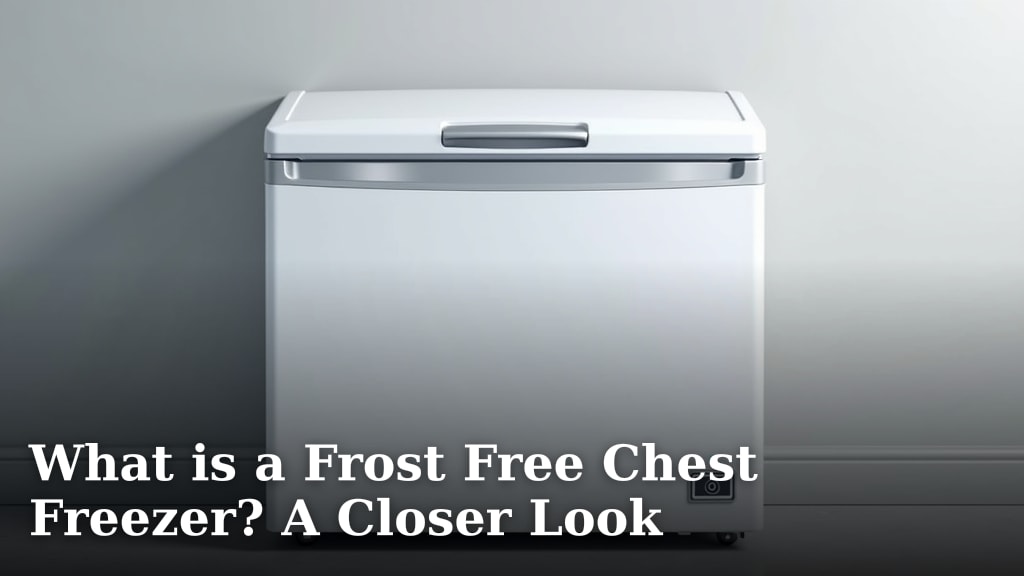
If you prefer automatic frost control, learn What is a Frost Free Chest Freezer? A Closer Look before comparing models.
Frost-free systems reduce routine manual defrosting, but they still depend on a closed seal and proper operation.
When should you call for freezer service?
Get service help when frost returns quickly after a complete defrost or when the freezer cannot hold the required temperature. Also seek help if the lid seal is damaged, the cabinet has an electrical problem, or the manual's troubleshooting steps do not solve the issue.
Do not keep scraping away heavy frost while ignoring a lid that will not close or food that is not staying frozen. A recurring problem can affect storage and may become harder to diagnose after repeated partial defrosts.
For readers comparing manual-defrost options, our guide to Best Manual Defrost Chest Freezers can help organize the trade-offs.
Frost usually starts with moisture, but the fix depends on why that moisture keeps entering. Choose careful storage and regular inspection for normal buildup, and investigate the seal, controls, placement, or service needs when frost returns unusually fast.
Frequently asked questions
What causes frost buildup in a freezer?
Frost buildup happens when moisture enters the freezer and freezes on cold interior surfaces. Common sources include humid air entering during lid openings, warm or uncovered food, and a lid seal that does not close properly.
A cooling or drainage problem can also make recurring frost worse.
Is frost in a freezer normal?
A small amount of frost can occur in a manual-defrost freezer because moisture freezes inside during normal use. Heavy, fast-growing, or uneven frost is a reason to check the lid seal, opening habits, food packaging, temperature control, and the freezer's care instructions.
How do I stop frost from building up in my freezer?
Keep the lid closed, use tight food packaging, cool food before freezing it, and keep the seal clean. Do not block the lid or overfill the cabinet.
If frost returns quickly after defrosting, inspect the seal and controls and follow the manufacturer's service guidance.
Does a frost-free freezer get frost?
A frost-free freezer is designed to limit visible frost through automatic defrost cycles, but it can still develop frost if warm moist air enters, the door seal leaks, or a system problem interrupts normal operation. Manual-defrost models need periodic frost removal as part of normal care.