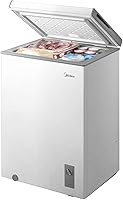
Why Is Your Freezer Leaking Water from the Bottom?
A freezer leaking water from the bottom usually has a blocked or misplaced drain, heavy frost melt, a poor lid seal, or condensation around the cabinet. Unplug the freezer before inspecting water near the floor, then check the drain, seal, level, and surrounding moisture.
On this page (8 sections)
- Why is your freezer leaking water from the bottom?
- Can a blocked defrost drain cause water beneath the freezer?
- Could a drain plug or cap be causing the leak?
- Can a damaged lid seal create water on the floor?
- Does heavy frost make a chest freezer leak?
- Can condensation collect beneath the freezer?
- How do you check whether the freezer is level?
- What should you do when the freezer is leaking water from the bottom?
A freezer leaking water from the bottom usually has a blocked drain, misplaced drain plug, melting frost, poor lid seal, or condensation problem. Each cause needs a different check, so start by finding where the water first appears.
Unplug the freezer before inspecting water near the floor. This keeps you safer while you check the drain path, seal, cabinet position, and nearby moisture.
A small puddle after defrosting may be expected. Manual defrosting releases meltwater that must be collected or drained.
Water that returns during normal operation needs attention. It can damage flooring, encourage mold around the cabinet, or signal a cooling problem.
Dry the floor first, then watch where fresh water appears. That test helps separate defrost water from a problem tied to the lid, frost, or room conditions.
If the water is near an electrical area, leave the unit unplugged and call qualified service. Do not reach in to test parts.
Keep notes on timing, amount, and location of the water. Those details help you compare what you see with the manual.
Do not rush to move a heavy or loaded freezer. Empty it safely and ask for help.
Reconnect power only when the area is dry and the cause is clear.
Why is your freezer leaking water from the bottom?
The most common cause is water from defrosting that cannot drain away correctly. Manual-defrost chest freezers collect meltwater when frost softens.
A blocked opening, closed plug, or full tray can send that water beneath the cabinet. The puddle then looks like a leak from the bottom, even though the source is inside.
Start by identifying when the leak appears. Timing is one of the most useful clues you have.
Water only during defrosting points toward drain handling or meltwater collection. It may mean the tray needs emptying or the plug needs checking.
Water that appears while the freezer is running may point to frost buildup or a lid seal problem. Condensation or water from the surrounding area is also possible.
In a garage, extra moisture can come from the room itself. Humid air can meet a cold cabinet and leave dampness around or under it.
Watch the freezer through a normal day of use. Note whether the lid was opened often and whether frost is forming near the seal.
For a manual-defrost model, do not expect frost to handle itself. Frequent openings and warm air speed up buildup.
When frost melts, it can travel toward low points in the cabinet. If the drain path is not clear, water can pool below.
Check the lid seal before you blame the drain. A small gap can let moist air enter again and again.
Dry everything, close the lid, and observe over several hours. Fresh water near the lid edge suggests a different cause than water near the drain.
Do not use sharp tools or force plugs while you inspect the drain area.
If cooling seems weak or the liner looks damaged, stop and seek professional advice.
Can a blocked defrost drain cause water beneath the freezer?
Yes, a blocked defrost drain can send meltwater out through the bottom instead of through the intended outlet. Frost, food packaging, or dirt can obstruct the path, especially if the freezer has not been defrosted for a long time.
Unplug the freezer and read its manual before clearing anything. Remove loose ice only after it softens, and use the approved drain method.
Never push a knife, screwdriver, wire, or other sharp object into the opening.
If the freezer has an exterior drain, place a shallow container beneath it before opening the plug. Check the container often so it does not overflow onto the floor.
For safe preparation, follow our guide to how to defrost a chest freezer in a garage. A garage needs extra care because uneven floors, temperature changes, and limited drainage can make a small leak harder to notice.
Could a drain plug or cap be causing the leak?
A drain plug or cap that is loose, missing, or positioned incorrectly can let water escape beneath the freezer. Many manual-defrost units use an interior plug and an exterior cap, so check both locations if your model has them.
Do not force a plug into place if it is cracked or does not fit. Keep the cabinet unplugged while you inspect the area, and dry the floor before reconnecting power.
Some freezers make this task easier with an accessible drain. The FRIGIDAIRE EFRF7003-BLACK Chest Deep Freezer has an easy defrost drain and an exterior temperature controller, which suits readers who want a 7 cu. ft. chest freezer with a clear defrost-water path.
Can a damaged lid seal create water on the floor?
Yes, a poor lid seal can let warm, moist air enter and create extra frost that later melts into water. A dirty seal, trapped package, or lid that does not close evenly can cause this cycle.
Inspect the seal around the full lid. Look for crumbs, ice, torn sections, or food packages holding the lid open.
Clean it only with a method allowed by the owner's manual, then close the lid and check that it sits evenly.
A simple paper check can show a weak seal. Close the lid on a strip of paper, then pull gently.
Repeat at several points around the edge, but do not treat this as a replacement for the manual or professional service.
If frost keeps returning near the lid after the seal is clean and unobstructed, schedule service. Do not keep scraping bonded ice with metal tools.
Does heavy frost make a chest freezer leak?
Heavy frost can create a leak when it melts faster than the drain or towels can handle. Frost often builds when warm air enters frequently, the lid seal is weak, or the freezer remains open for long periods.
Unplug the freezer before manual defrosting. Move food into another running freezer or an ice-packed cooler, let the frost soften, collect the water, and dry the interior before restarting.
Our guide to how to defrost a Hotpoint chest freezer explains the same careful process for a Hotpoint unit. Always give your own manual priority because drain locations and restart steps vary.
The Midea 3.5 Cu.ft Chest Freezer suits a smaller household or a second-freezer setup where keeping the interior organized matters. It has a removable plastic basket, adjustable legs, and a convertible freezer or fridge mode, so check its mode and setup instructions before troubleshooting moisture.
Can condensation collect beneath the freezer?
Condensation can collect beneath a freezer when warm, humid air meets a cold cabinet or when moisture enters around the lid. This is more likely in damp rooms, garages, and other areas without stable indoor conditions.
Dry the floor and inspect the water again after several hours. Check whether the puddle begins near the lid edge, drain outlet, power cord area, or another nearby source.
Keep the freezer away from standing water and do not block the space around it. Follow the manual's clearance and placement instructions.
If water comes from an electrical area, leave the unit unplugged and contact qualified service.
The Midea 7.0 Cu.ft Chest Freezer is intended as a larger second freezer for a garage or basement, with convertible freezer and fridge modes, adjustable legs, and a removable plastic basket. Its 7 cu. ft. capacity suits families that need more storage than a compact chest freezer.
How do you check whether the freezer is level?
A freezer that is not level can allow meltwater to collect away from the drain. That pooling can later escape beneath the cabinet and look like a bottom leak.
Place a level on the cabinet and check the floor beneath it. Use the tool in more than one direction for a clearer picture.
Follow the manufacturer's positioning instructions before adjusting anything. Each model may have different guidance for placement.
Do not lift or tilt a loaded freezer. Empty it only when you have safe cold storage for the food inside.
Ask for help with moving a heavy appliance. A chest freezer can be awkward to lift, and a sudden shift can cause injury or damage.
Adjustable legs can help with placement when the model includes them. They are useful on uneven floors, but they are not a fix for every problem.
Even then, the freezer must sit securely and the lid must close evenly. A wobbling cabinet can make the seal work unevenly.
After any adjustment, dry the floor and watch the area again. Repeat moisture means the level was not the only cause.
Keep the space around the cabinet clear for air flow. Follow the manual for clearance and placement details.
What should you do when the freezer is leaking water from the bottom?
Unplug the freezer, protect the food, dry the floor, and check the drain, plug, lid seal, frost, and cabinet position in that order. Reconnect power only after the interior and surrounding electrical area are dry.
Use the manual's instructions for drain cleaning and defrosting. Avoid sharp tools, direct heat, forced plugs, and tipping the cabinet to pour water out.
Pick the FRIGIDAIRE model if an easy defrost drain and 7 cu. ft. of storage fit your setup. Pick the smaller Midea if you need a 3.5 cu. ft. convertible unit, or the larger Midea if you need 7 cu. ft. with convertible modes and adjustable legs.
For choosing a freezer that matches your defrost routine, compare Manual Defrost vs Frost Free Chest Freezer. If you want a manual-defrost model after fixing the leak, see Best Manual Defrost Chest Freezers.
If the leak continues after these checks, cooling is weak, the liner is damaged, or water reaches electrical parts, stop using the freezer and arrange qualified service.
Frequently asked questions
Why is my freezer leaking water from the bottom?
A freezer can leak from the bottom when meltwater cannot leave through the defrost drain, a drain plug is out of place, or water collects during manual defrosting. A damaged or dirty lid seal can also cause frost buildup that later melts.
Unplug the freezer before checking the drain and seal.
How do I unclog a chest freezer drain?
Unplug the freezer and follow the owner's manual before touching the drain. Let nearby ice soften naturally, then clear only loose debris with an approved method.
Do not force a tool into the drain or use sharp objects, because you could damage the liner or drain passage.
Can a freezer leak because it is not level?
Yes, an uneven freezer can allow meltwater to collect on one side instead of reaching the drain correctly. Check the cabinet with a level and follow the manual's positioning guidance.
Do not tilt or move a heavy freezer alone, especially when it contains food.
When should I replace a leaking freezer?
Consider replacement when a leak continues after you clear the drain, check the seal, and correct the setup. Repeated water under the cabinet, poor cooling, damaged insulation, or a punctured liner needs professional advice before you keep using the freezer.