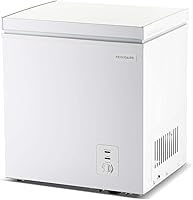
How to Choose a 17 Cu Ft Chest Freezer
Choose a 17 cu ft chest freezer when you have a clear plan for storing a large food load. Measure the cabinet footprint, open-lid space, delivery route and walking room before you buy.
On this page (8 sections)
- Is a 17 cu ft chest freezer right for your food load?
- How much space does a 17 cu ft chest freezer need?
- How should you organize a large chest freezer?
- What smaller products show about capacity trade-offs?
- Should you choose 17 cu ft or a larger chest?
- How do you keep a 17 cu ft chest freezer usable?
- How much does a large chest freezer cost?
- What is the final rule for choosing a chest freezer 17 cu ft?
A chest freezer 17 cu ft is best for a buyer who can name a large, regular storage need and has a dedicated place for a wide cabinet. Measure the floor, delivery route, lid clearance and front access before choosing this capacity.
This size suits a household that shops in bulk and wants room for meat, meals and vegetables at the same time. It suits a cook who makes large batches and needs space to freeze them in portions.
It can also suit seasonal produce, a garden harvest or a large meat order that arrives all at once. In each case, the freezer works because the food has a planned place to go.
A freezer this size can suit bulk meat storage, seasonal produce, frequent batch cooking or a large household. It can also be too much for light overflow because a bigger cabinet takes more floor space and can make food harder to find.
The trade off is reach. Food at the bottom of a wide chest takes more effort to lift than food in a narrow cabinet.
You should also plan for the lid. Stand where the cabinet will sit and check that the lid can open without hitting shelves, doors or stored items above it.
Check the full delivery path as well. Doors, stairs and turns can stop a delivery even when the final room looks large enough.
If those checks pass, 17 cu ft gives a clear home for food that a refrigerator freezer cannot hold. If they fail, a smaller cabinet will be easier to use every day.
Is a 17 cu ft chest freezer right for your food load?
Choose 17 cu ft when your busiest frozen-food load regularly outgrows smaller freezers. The right capacity depends on peak storage, not just the number of people in your home.
Write down what will be inside at the same time. Include meat, frozen meals, vegetables, bread, desserts and food already stored in your refrigerator freezer.
Then add occasional loads, such as a holiday shop, garden harvest or large meat delivery. If those items are the reason you need the freezer, make sure the cabinet can hold them without blocking everyday food.
Think about shape as well as volume. Long packages and family packs need a different layout than flat meal containers.
Plan for sorting room too. A cabinet filled to the top leaves nowhere to move food while you search for the package at the bottom.
A 17 cu ft freezer is a poor fit when you only need a few extra meals or bags of vegetables. In that case, compare a chest freezer 8 cu ft option before giving up a large section of your room.
A smaller chest can also suit a buyer who wants overflow space without committing a garage or utility corner. The right choice is the one that matches the load you repeat, not the load you imagine.
How much space does a 17 cu ft chest freezer need?
A 17 cu ft chest freezer needs its cabinet footprint plus space for the lid, ventilation and the person loading it. Do not plan around cubic feet alone because storage volume does not show the outside width or depth.
Before ordering, measure:
- The narrowest doorway, hallway and turn on the delivery route
- The final floor area, including required clearance around the cabinet
- The ceiling or shelf height above the freezer with the lid open
- The standing area where you will lift food from the bottom
- Nearby doors, vehicles, shelves, laundry equipment and stored boxes
- The location of the outlet and any access needed for maintenance
Tape the cabinet outline on the floor and place a temporary line where the lid will open. Stand at the front edge and reach toward the back.
If the movement feels awkward while the freezer is empty, it will be harder after loading.
A large chest may fit in a garage or basement but still be difficult to use. Check stairs, corners and door swings before delivery day.
How should you organize a large chest freezer?
Organize a large chest freezer by food type and access frequency. The best system keeps daily items near the top and uses labeled groups for food that may sit lower in the cabinet.
Use removable bins, sturdy bags or clearly labeled sections to separate meat, meals, vegetables and baked goods. Keep a simple inventory on the lid or nearby wall, with the oldest food marked for earlier use.
A chest freezer rewards planning because the deepest items are not always visible. Avoid creating one frozen pile where packages must be unloaded to reach the bottom.
Put small, frequent items in a basket or bin at the top. Keep meat portions in one zone so you can see what you have before the next shop.
Use a simple order for each zone. Place new packages at the back or bottom and older packages where you will reach them first.
Label bags with the food and the month they went in. A clear label saves time and helps you use older food before it loses quality.
Leave enough space to move a basket or bin. A completely packed cabinet may hold more food in theory, but it can waste time and increase the chance that older food is forgotten.
Pack food in flat layers where you can. Flat layers are easier to scan than tall stacks of loose bags.
Keep a short list of what is in each zone. Update it when you add or remove a large group of packages.
Avoid pushing new food into gaps without a plan. A planned gap keeps air moving and gives you room to lift a bin.
Check the contents on a regular schedule. A quick check lets you plan meals around food that has been stored the longest.
This system takes a few minutes to set up. It saves far more time each week when you need a specific package without unloading the cabinet.
What smaller products show about capacity trade-offs?
Smaller freezers show why capacity, footprint and access need to be considered together. These products are not 17 cu ft models, but they provide useful reference points for deciding whether a large chest is necessary.
Koolatron Deep Freezer
The Koolatron Deep Freezer suits light overflow storage in a compact space. Its title gives it a 3.5 cu ft capacity, a white finish, a top-opening door, a removable wire basket, manual defrost, a front drain and garage-ready positioning.
Its 22.25 in D x 20.75 in W x 33.25 in H dimensions show how much smaller a modest-capacity cabinet can be. The basket can keep smaller or frequently used items near the top, while the front drain helps with manual defrosting.
Choose it when you need extra meals, vegetables or frozen goods without a large dedicated storage area. Skip it if you already know that bulk meat, harvests or regular batch cooking will exceed a compact cabinet.
FRIGIDAIRE EFRF7003-BLACK Chest Deep Freezer
The FRIGIDAIRE EFRF7003-BLACK Chest Deep Freezer suits a household that needs more than light overflow but does not need a 17 cu ft cabinet. It has a 7 cu ft capacity, black finish, top-opening door, removable vinyl-coated wire basket, adjustable thermostat and easy defrost drain.
Its 26 in D x 37 in W x 33 in H size takes more floor space than the Koolatron while offering twice the stated capacity. The basket gives smaller packages a top storage area, and the adjustable thermostat lets you set the freezer without opening the lid.
Choose it when your storage needs are regular but still manageable. If you are planning large seasonal loads or a substantial meat supply, compare its footprint and capacity with the reason you are considering 17 cu ft.
FRIGIDAIRE EFRF5003-BLACK Chest Deep Freezer-Garage-Ready
The FRIGIDAIRE EFRF5003-BLACK Chest Deep Freezer-Garage-Ready suits buyers who want a mid-size cabinet and a garage-ready design. It has a 5 cu ft capacity, black finish, top-opening door, adjustable thermostat, removable vinyl-coated wire basket and easy defrost drain.
Its 23 in D x 28 in W x 35 in H dimensions give it a smaller footprint than the 7 cu ft model. The basket can hold smaller items near the top, while the exterior drain makes manual defrost maintenance easier.
Choose it for moderate meal prep and grocery overflow. If your goal is to store a large meat order or several seasonal loads, the smaller capacity may force you to stack food tightly.
Should you choose 17 cu ft or a larger chest?
Choose 17 cu ft when it matches a known food load and still leaves usable walking and lid space. A larger model is not automatically better if you cannot reach the bottom or fit it through the delivery route.
If you are comparing nearby sizes, read the guide to a chest freezer 16 cu ft before moving up. One cubic foot may not matter as much as the cabinet's exact width, depth, basket layout and lid opening.
A 21 cu ft model can offer more room, but it also needs a larger dedicated area. Compare the chest freezer 21 cu ft guide if your planned inventory includes a large harvest, bulk meat or long-term food storage.
For buyers comparing a slightly smaller capacity, our guide to the best chest freezer 20 cu ft options can help you weigh storage against floor space.
How do you keep a 17 cu ft chest freezer usable?
Keep a 17 cu ft chest freezer usable by setting up an inventory system before loading it. Group food by type, label packages and create a clear path to the items you use most often.
Use the upper layer for frequently used food and reserve deeper areas for less common items. Record new packages as they go in, then remove the oldest matching food first.
Set the freezer up before the first load arrives. Place it on a level floor and allow the clearance stated in the instructions so air can move around the cabinet.
Let the cabinet reach its set temperature before you add a large load. Adding food too early can slow the process and leave items soft for longer.
Follow the freezer's setup instructions and allow the required clearance around the cabinet. Keep the lid seal and interior clean, and plan manual defrosting if the model requires it.
Wipe the lid seal with a clean cloth when you clean the cabinet. A clean seal helps the lid close fully and keeps cold air inside.
Do not treat a thermostat setting as a direct food-temperature reading. A separate freezer thermometer can help you monitor the actual storage temperature.
Place the thermometer where it is easy to read without unloading food. Check it after a large load and after the room temperature changes.
Plan defrosting before frost becomes thick. Thick frost takes more space and can make the lid harder to close.
When you defrost, move food to a cool place and keep the lid closed as much as you can. Use the drain provided by the model to guide water out in a controlled way.
Clean the interior while it is empty and dry. Then let the cabinet cool again before you return the food.
Keep the area around the freezer clear for daily use. Boxes and stored items should not block the lid or the front of the cabinet.
Review your inventory each month. Move older food to the top and plan meals that use it first.
How much does a large chest freezer cost?
The cost of a large chest freezer varies by capacity, brand and features. Compare the large chest freezer cost guide after you confirm that 17 cu ft is the right size for your room and food load.
A lower purchase cost does not solve a poor fit. Include delivery access, floor preparation, organization supplies and the space needed to open and use the lid.
Think about setup cost as part of the choice. Bins, a thermometer and a simple inventory system are small items, but they help a large cabinet work well.
Think about the room as a cost too. A cabinet that forces you to move furniture or lose a needed work area carries a practical price.
Compare models by what matters for your load. Capacity, footprint, lid clearance, basket layout and defrost method change how the freezer fits your routine.
A larger cabinet can save repeat trips for bulk food. That benefit only counts if you will use the space and keep the contents organized.
If your needs are closer to occasional overflow, read How Much Does a Small Chest Freezer Cost? before committing to a large cabinet.
A small chest may give you the storage you need with less floor space. Choosing it can keep the room free for other uses.
Make the size decision first and the cost decision second. The right size will make the cost easier to judge.
What is the final rule for choosing a chest freezer 17 cu ft?
Choose a chest freezer 17 cu ft when you have a stable plan for a large frozen-food inventory, a clear delivery route and enough room to stand at the front with the lid open.
That plan should cover bulk meat, batch cooking, seasonal produce or a large household load. It should also cover how you will organize and reach food at the bottom of the cabinet.
Pick a smaller model if your storage is moderate or your room is tight. A smaller chest is easier to place, load and search each week.
Pick a larger model only when your food load justifies the added footprint and you can keep the contents organized. Extra space helps only when you have a system for it.
Measure first, then decide. The best choice is the cabinet that fits your room and holds the food you actually plan to store.
Frequently asked questions
Is a 17 cu ft chest freezer big enough for a family?
A 17 cu ft chest freezer can suit a family with regular bulk shopping, batch cooking, a seasonal harvest or a large meat supply. Household size alone does not decide the capacity.
Count the food you need to hold at your busiest point, then leave room to sort and retrieve packages.
How much floor space does a 17 cu ft chest freezer need?
A 17 cu ft chest freezer needs more than its cabinet footprint because you also need ventilation clearance, room to open the lid and standing space at the front. Measure the exact model, tape its outline on the floor and mark the open-lid area before choosing the location.
Is a chest freezer better than an upright freezer for bulk storage?
A chest freezer can hold a large amount of food in one broad compartment, which suits bulk storage, but items at the bottom can be harder to reach. An upright freezer uses less floor space and offers vertical access.
Choose based on your room, food shape and access habits.
What should I store in a 17 cu ft chest freezer?
Use a 17 cu ft chest freezer for planned bulk storage such as meat portions, frozen meals, vegetables, bread and seasonal food. Group similar items in bins or labeled bags, keep frequently used food near the top and avoid filling the cabinet so tightly that air and access become problems.