How to Measure Space for a Chest Freezer
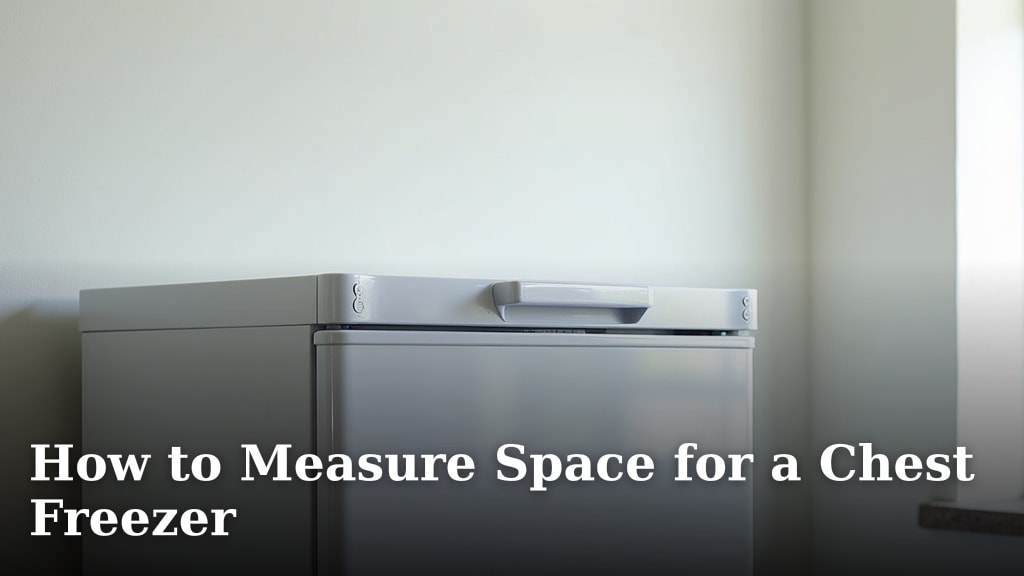
Measuring space for a chest freezer is all about checking height, width, and depth. You need to know the exact freezer dimensions. Then, measure your available space carefully. Don’t forget to account for door swings and ventilation around the unit.
Getting the measurements right prevents common headaches later. A freezer that’s too big won’t fit. One that’s too small might not hold enough food. Proper spacing also ensures your freezer runs efficiently and lasts longer. We found that leaving at least an inch on each side is a good rule of thumb for air flow. This helps keep your food frozen solid.
- Measure the freezer’s height, width, and depth.
- Measure your chosen space accurately.
- Add extra space for door opening.
- Allow for air circulation around the freezer.
- Check the path for delivery too.
Ready to find the perfect spot? Let’s walk through exactly how to measure your space step by step.
You’ve decided a chest freezer is the way to go for maximizing your food storage. Great choice! Before you get too excited about stocking up on bulk buys and homegrown harvests, let’s talk about finding the perfect spot. It’s not as simple as just shoving it into any old corner. You need to make sure it fits, has enough breathing room, and is easy for you to access.
Finding the Right Spot for Your Chest Freezer
Choosing where your chest freezer will live is step one. This decision impacts its performance, its lifespan, and your convenience. We found that dedicated thought here saves a lot of trouble later.
Understanding Your Freezer’s Footprint
Before you measure anything, you need to know the exact dimensions of the chest freezer you’re considering or already own. This information is usually found on the product’s specifications sheet, the owner’s manual, or even on a sticker on the appliance itself. Chest freezers come in a surprising variety of sizes, so accurate numbers are essential. Chest freezers come in a surprising variety of sizes, so accurate numbers are essential when considering chest freezer sizes.
Height Measurement
Measure from the very bottom of the freezer to the highest point. This typically includes any feet or casters it might rest on. Don’t forget to account for the lid when it’s fully open. You don’t want to hit your head or have the lid bump into a shelf or cabinet.
Width Measurement
This is the measurement from the left side to the right side of the freezer. It’s the most straightforward measurement. Most chest freezers are wider than they are deep.
Depth Measurement
Measure from the front of the freezer to the back. This measurement is crucial for fitting the freezer into tight spaces. Remember to include any handles or external components that stick out.
Measuring Your Available Space
Now it’s time to translate those freezer dimensions to your home. Grab your trusty tape measure. It’s best to measure your space more than once to be absolutely sure. Think of it like cutting fabric – measure twice, cut once!
Measuring the Designated Area
Use your tape measure to find the height, width, and depth of the space where you want to put the freezer. Be precise. If you’re measuring a corner or a nook, measure at different points. Sometimes walls aren’t perfectly straight.
For the width, measure the narrowest point between any walls or cabinets. For the depth, measure from the wall to the edge of any cabinets or counters in front of the space. For height, measure from the floor to the ceiling or the bottom of any overhead shelves or cabinets.
Considering Door Swings and Lid Clearance
This is where many people run into trouble. A chest freezer’s lid lifts straight up. You need ample room for that lid to open fully. Think about how much space the lid itself will take up when it’s open.
If your freezer is placed against a wall, the lid might not open all the way. This makes it hard to see what’s inside or to lift out heavier items. Many experts recommend at least 12-18 inches of clearance for the lid to open completely (Cleveland Clinic).
Are you placing it near a doorway or a walkway? Make sure the open lid won’t be a tripping hazard or block essential traffic flow. Measure the total swing arc of the lid, and ensure that path is clear.
Allowing for Essential Air Circulation
Your chest freezer needs to breathe! Proper ventilation is key for it to run efficiently and prevent overheating. The compressor works harder if it can’t dissipate heat effectively, which can lead to higher energy bills and a shorter lifespan for the appliance.
We found that manufacturers typically recommend leaving a certain amount of space around the unit. This is usually specified in the owner’s manual. It’s generally a good idea to have at least one to two inches of clearance on the sides and back. Some recommend a bit more for the back, especially if that’s where the compressor and coils are located.
Don’t forget the top! While the lid opens upwards, the freezer still needs some air to circulate. While less critical than side and back clearance, ensure the lid doesn’t feel cramped or hit anything when opening. This airflow helps the freezer maintain its target temperature more easily.
Why Ventilation Matters for Efficiency
Think of it like a car engine. If the radiator is blocked, the engine overheats. Your freezer’s compressor generates heat as it cools your food. If it can’t release that heat into the surrounding air, it has to work overtime. This wastes energy and puts stress on the motor.
Research indicates that good ventilation can improve a freezer’s energy efficiency by up to 10% (ENERGY STAR). That’s savings on your electricity bill year after year!
Checking the Delivery Path
This step is often overlooked until the delivery day arrives. A chest freezer, especially a larger one, can be bulky and heavy. You need to ensure it can actually get to its final destination. This step is often overlooked until the delivery day arrives, and knowing the chest freezer weight is important for moving.
Measure the width of all the doorways, hallways, and stairwells it needs to pass through. Don’t forget to measure diagonally for tight corners. Make sure to account for any turns. Can the delivery team maneuver the freezer around tight bends?
Consider the height of doorways and ceilings. If you have a low-hanging light fixture or a particularly short doorway, this could be a problem. Many delivery services have policies about what they will and won’t do. It’s good to check with them beforehand.
Creating a Measurement Checklist
To keep everything organized, here’s a quick checklist you can use. Print it out or jot down the numbers in a note. Being thorough now prevents headaches later!
- Freezer Dimensions: Note down the exact Height, Width, and Depth from the manufacturer.
- Space Height: Measure the available vertical space, including lid clearance.
- Space Width: Measure the available horizontal space between walls or obstructions.
- Space Depth: Measure the available depth, accounting for cabinets or counters.
- Airflow Clearance: Add 1-2 inches to the freezer’s Width and Depth for ventilation.
- Delivery Route: Confirm all doorways, hallways, and turns are wide enough.
Common Pitfalls to Avoid
We’ve seen people make a few common mistakes. Let’s make sure you don’t fall into these traps. They’re easy to sidestep with a little planning.
Ignoring the Lid Swing
This is probably the most frequent error. People focus only on fitting the freezer’s body into a space, forgetting that the lid needs to open wide. If the lid hits a cabinet, a shelf, or the ceiling, it’s a major inconvenience.
Overlooking Ventilation Needs
Cramming a freezer into a tiny, enclosed space without airflow is a recipe for disaster. It’s like trying to run a marathon in a sauna. The freezer will work harder, use more energy, and potentially break down sooner. Research from the U.S. Department of Energy suggests proper clearance is key for **optimal performance**.
Forgetting About Power Outlets
Where will you plug it in? Make sure the chosen spot is within reach of a grounded electrical outlet. You don’t want to be stretching cords across walkways or using extension cords, which can be a safety hazard and are often discouraged for appliances.
Not Measuring the Delivery Path
Imagine getting your new freezer to your door only to find it won’t fit through the hallway. That’s a frustrating situation. Always measure the path from the delivery truck to the final spot.
By taking these measurements and considering these points, you’re well on your way to finding the perfect, functional home for your new chest freezer. Happy freezing!
Conclusion
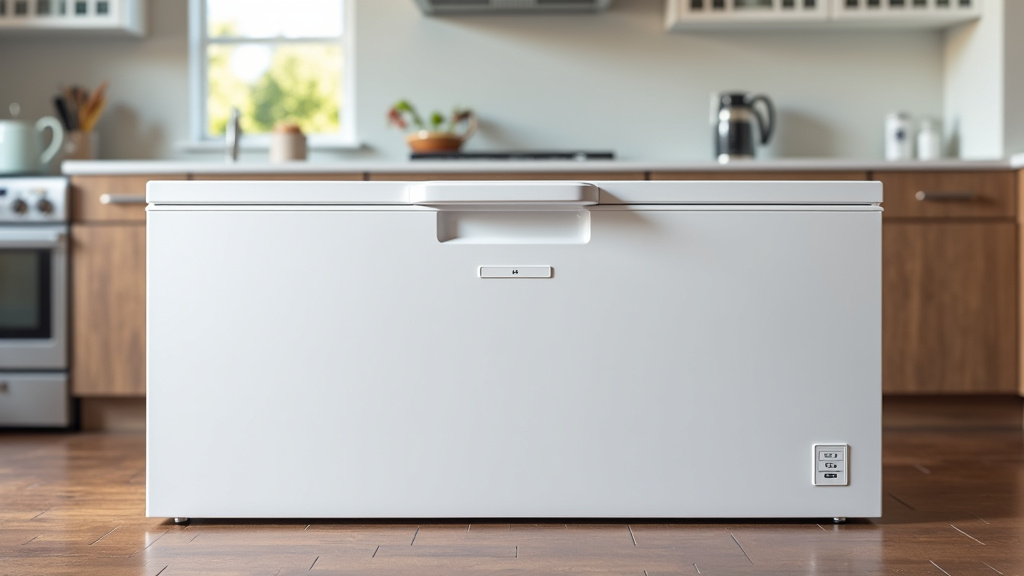
You’ve learned how to measure your space for a chest freezer, from understanding the freezer’s exact footprint to measuring your home’s available room. Remember to factor in the lid’s swing, necessary airflow, and even the path for delivery. Getting these measurements right upfront saves you from common headaches like a freezer that won’t fit or one that runs inefficiently. Your next step is to grab your tape measure, use the checklist we provided, and confidently measure your chosen spot. This careful planning ensures your new chest freezer will be a perfect fit and a reliable storage solution for your food.
Frequently Asked Questions
How much space do I really need for the lid to open on a chest freezer?
You’ll typically need at least 12 to 18 inches of clearance in front of the freezer for the lid to open fully. This allows you to easily see and access all your frozen items without obstruction.
Can I place my chest freezer in a tight corner if I leave space for ventilation?
While ventilation is important, a very tight corner might still be problematic. Ensure the lid can still swing open enough to be practical and that there’s enough room to comfortably access the freezer’s contents.
What’s the minimum clearance recommended for airflow around a chest freezer?
Most manufacturers recommend at least 1 to 2 inches of clearance on the sides and back of the freezer. This helps the compressor dissipate heat, improving efficiency and lifespan.
Do I need to measure the freezer’s height including the wheels or feet?
Yes, always measure the total height of the freezer, including any feet or casters it rests on. This ensures it will fit under any overhead cabinets or shelves.
Is it important to measure the delivery path if I’m buying a small chest freezer?
Yes, even small chest freezers can be awkward to maneuver. Always measure doorways, hallways, and stairwells to ensure it can be safely delivered to its intended location.