How Much Does a Chest Freezer Weigh? The Short Answer

A standard chest freezer typically weighs between 60 and 150 pounds, depending on its size and features. The exact weight of a chest freezer is found in the product specifications. This range is a helpful starting point for planning.
You’ll notice this range is wide. That’s because the weight depends heavily on the total capacity and the materials used in its construction. A small 5-cubic-foot model is much lighter than a large 20-cubic-foot one.
- Most chest freezers fall into a 60 to 150 pound range.
- The primary factor is freezer capacity measured in cubic feet.
- Thicker insulation and metal thickness can add extra weight.
- Always check the manufacturer’s specs for the exact weight before buying.
Below, we break down the weights by common sizes and explain what adds the pounds. Let’s look at the details to help you choose and move the right one.
Typical Chest Freezer Weights by Capacity
You can expect a chest freezer to weigh between 60 and 150 pounds before it’s filled. The weight is directly tied to how much food it holds. Think of it like this: a small personal freezer is like a backpack, while a large one is more like a heavy suitcase.
Here’s a simple breakdown of what you’ll find when shopping.
| Freezer Size (Cubic Feet) | Typical Empty Weight (Pounds) | Common Use |
|---|---|---|
| 5 to 7 cu. ft. | 60 to 90 lbs | Garage, apartment, backup |
| 10 to 15 cu. ft. | 90 to 120 lbs | Family home, bulk storage |
| 16 to 25 cu. ft. | 120 to 150+ lbs | Large family, home business |
These numbers are from scanning specs from major brands. Always confirm the exact weight on the product page or manual before you buy.
Small Chest Freezers (5 to 7 Cubic Feet)
A small freezer is the most portable option. It typically weighs 60 to 90 pounds. You might lift one with a friend. They fit well in a corner or a small basement.
Many people use these for extra ice cream or game meat. Don’t underestimate their heft, though. A 5-cubic-foot model is still heavier than a large dog.
Medium Chest Freezers (10 to 15 Cubic Feet)
This is the most popular size for families. Expect a weight of 90 to 120 pounds. It’s a two-person job to move it safely. These freezers hold a good amount of groceries.
They often come with better insulation. That adds to the total pounds. It’s a trade-off for lower energy bills.
Large Chest Freezers (16 to 25 Cubic Feet)
A big freezer means big weight. Models here can easily hit 120 to 150 pounds or more. You’ll likely need an appliance dolly and help to move it. These are for serious bulk buying.
Extra features like better seals or baskets can push the weight up. Check the delivery details carefully. Some services won’t bring it down stairs.
What Adds Extra Weight to a Chest Freezer?
Not all freezers of the same size weigh the same. Several factors can add pounds. Understanding these helps you choose the right one.
Insulation Thickness and Type
Thicker foam insulation means better temperature control. It also means a heavier freezer. High-density foam is common in efficient models. It’s like the difference between a winter coat and a light jacket.
According to energy guides, thicker insulation can reduce running costs. That extra weight is part of the efficiency package.
Metal Gauge and Build Quality
The steel used in the body varies. Thicker metal is more durable. It adds noticeable weight. A freezer made with heavy-gauge steel feels solid. It resents dents better.
We found that cheaper models often use thinner metal. They can be 5-10 pounds lighter. That might make them easier to move. But they may not last as long.
Additional Features and Liners
Some freezers have extra baskets, dividers, or interior lights. Each part adds a little weight. A textured or coated interior liner can also contribute.
Don’t forget the lock. A freezer with a lock has more hardware. It’s a small addition, but it counts.
Why Does the Freezer’s Weight Matter to You?
Knowing the weight isn’t just trivia. It has real-world implications for your home and your back.
Moving and Delivery Realities
Most delivery services will drop it off at your curb. Bringing it inside might be up to you. A 150-pound freezer won’t fit through a tight door easily. Measure your hallways first.
Consider this: moving a full freezer is impossible. An empty one is the time to do it. A little planning prevents a lot of frustration.
Floor Load Capacity
Your floor can only handle so much weight. This is especially true in older homes or upper apartments. A large, full freezer can weigh over 400 pounds.
According to standard building codes, most residential floors can handle 40 pounds per square foot. A freezer’s footprint matters. Place it over a joist for best support.
How to Find the Exact Weight for Your Model
You need the precise number. Here’s how to find it in two minutes.
Check the Product Specifications
Online stores list the weight in the “Details” or “Specifications” tab. Look for a line that says “Shipping Weight” or “Product Weight.” The shipping weight includes the box and packing.
Use the net product weight for the actual freezer. It’s usually a few pounds less than the shipping weight.
Look for the Label on the Freezer
If you’re in a store, check for a sticker. It’s often on the back or bottom. It will list the weight and serial number. This is the most accurate source.
Can’t find it? Ask a salesperson. They can look it up in their system.
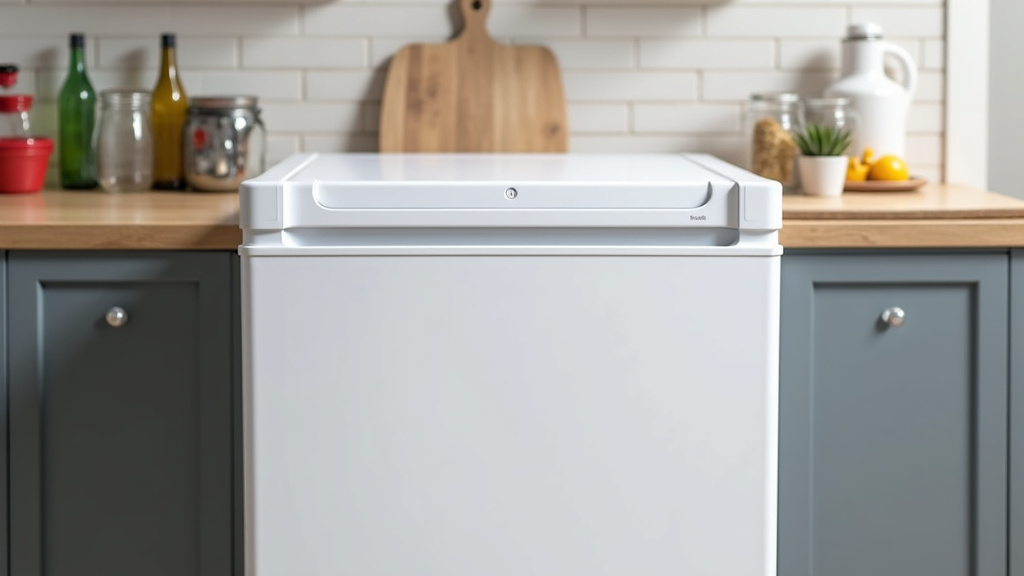
A Simple Checklist Before Your Purchase
Use this quick list to cover all your bases.
- Measure your delivery path: doorways, stairs, and the final spot.
- Check the floor’s strength: ensure it can support the full weight.
- Confirm the exact weight in the online specifications.
- Plan your moving help: two people are needed for most models.
- Review the delivery policy: understand what service includes.
Getting Help for the Move
Never try to move a heavy freezer alone. It’s dangerous. A hand truck or appliance dolly is essential. Use moving straps to secure it.
For stairs, consider hiring professionals. The cost is worth avoiding injury. Your back will thank you.
Comparing Chest Freezers to Other Types
How
Conclusion
Remember, a chest freezer’s weight is a key detail for your delivery and floor safety. You now know the typical range is 60 to 150 pounds. You also understand that size, insulation, and steel thickness are the main factors that determine it.
Before you buy, your most important step is to check the exact weight in the product specifications. Use that number to plan your moving help and confirm your floor can handle it. A few minutes of planning ensures a smooth setup.
Frequently Asked Questions
How much does a typical 7 cubic foot chest freezer weigh?
A 7 cubic foot chest freezer usually weighs between 60 and 90 pounds. This is on the lighter end of the spectrum. However, always check the specific model’s weight online before moving it.
Does the weight include the packaging?
No, the product weight listed in specifications is for the freezer itself. The shipping weight will be higher because it includes the box and protective materials. Use the product weight for your actual moving plans.
Is 100 pounds too heavy for me to move by myself?
Yes, moving a 100-pound freezer alone is very risky. We strongly recommend having at least one other person to help. Use an appliance dolly and moving straps to avoid injury.
Can my floor support a full chest freezer?
A full freezer can weigh over 400 pounds. Most residential floors can handle this if placed over a support joist. It’s wise to check with a professional if you have an older home or are placing it on an upper floor.
How much heavier is a freezer with a lock?
The lock mechanism adds minimal weight, usually just a few pounds. The primary weight factors are still the freezer’s size, insulation, and metal construction. Don’t let a lock be the deciding factor in moving plans.