How Much Food Fits in a 10 Cubic Foot Freezer?
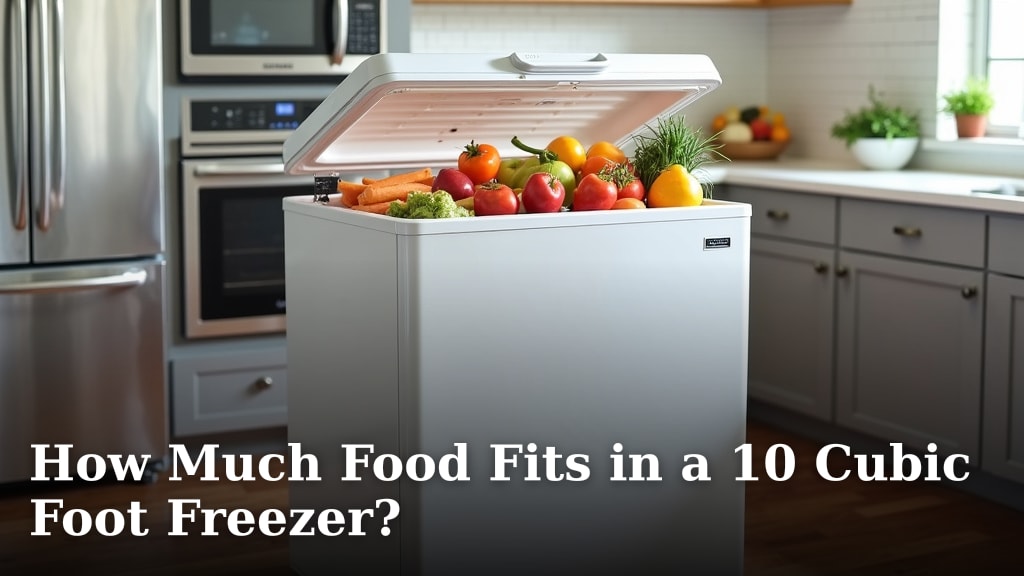
A 10 cubic foot freezer can hold roughly 350 pounds of food. This capacity is great for medium-sized families or serious meal preppers. You can stock up on meats, frozen vegetables, and prepared meals. Getting the most out of your freezer space means smart organization.
Think of your 10 cubic foot freezer as your personal food storage vault. It’s a substantial size, perfect for reducing grocery trips. Many shoppers find this size a happy medium. It offers ample storage without taking up too much floor space. We’ve researched how much can realistically fit inside. It offers ample storage without taking up too much floor space, and our guide to chest freezers explains their common sizes.
- About 350 pounds of food fits in a 10 cu ft freezer.
- This size is ideal for families and meal preppers.
- Proper organization is key to maximizing space.
- It offers a good balance between capacity and footprint.
- Consider your typical food storage needs.
Below, we break down what you can expect to fit in your 10 cubic foot freezer and how to pack it efficiently.
So, you’re wondering just how much food you can cram into a 10 cubic foot freezer? It’s a great question for anyone looking to stock up. We’ve done the digging, and here’s the scoop. A 10 cubic foot freezer can hold approximately 350 pounds of food. This is a good amount for many households. It strikes a nice balance between capacity and the space it takes up in your home. It’s not too small to be frustrating, and not so big it becomes a burden. This size often works well for families of 3-4 people, or for individuals who are serious about meal prepping and buying in bulk.
How Much Food Can a 10 Cubic Foot Freezer Really Hold?
We’ve established that around 350 pounds is the general estimate for a 10 cubic foot freezer. But what does that actually look like in terms of groceries? Think about your typical frozen staples. You could fit about 70-80 pounds of meat, 50-60 pounds of vegetables, and still have room for fruits, baked goods, and pre-made meals. This estimate assumes you’re using the space wisely. Stacking items efficiently and avoiding large air pockets makes a big difference. It’s like packing a suitcase; you can fit more if you roll your clothes instead of just tossing them in.
Breaking Down the Capacity by Food Type
Let’s get more specific about what that 350-pound figure means for your shopping cart. Different types of food take up different amounts of space. For example, dense items like frozen turkeys or large roasts will take up more volume than bags of peas. We found that if you were to fill your freezer primarily with meat, you might fit around 70 to 80 pounds. If your focus is on vegetables, expect to store about 50 to 60 pounds. This leaves room for other essentials like frozen fruits, bread, casseroles, and ice cream. It’s all about how you mix and match your frozen goods.
Meat Storage Considerations
Meat is a common item for freezer storage, especially when bought in bulk. A 10 cubic foot freezer can accommodate several large cuts. You could likely fit two 10-pound roasts, a large turkey (around 15-20 pounds), and still have space for a good amount of smaller packages like chicken breasts or ground beef. When you buy meat in bulk, remember to divide it into meal-sized portions. This not only helps with freezer organization but also makes meal prep much easier down the line. Vacuum sealing can also save space and prevent freezer burn.
Vegetable and Fruit Storage
Frozen fruits and vegetables are freezer staples for healthy eating. Bags of frozen vegetables, like peas, corn, or mixed vegetables, are relatively compact. You can fit quite a few bags into your 10 cubic foot freezer. Think about 10-15 standard-sized bags of vegetables. Fresh fruits that you plan to freeze, like berries or sliced peaches, will also fit nicely. It’s helpful to freeze them in single layers on baking sheets before transferring them to bags. This prevents them from clumping together, making them easier to access.
Beyond Raw Ingredients: Prepared Meals and Leftovers
A 10 cubic foot freezer is perfect for storing pre-made meals and leftovers. This is where meal prepping really shines. You can freeze individual portions of chili, soup, pasta dishes, or casseroles. Containers of various sizes will fill up the space. We found that you can easily store 15-20 individual meal portions. This is a lifesaver on busy weeknights when you don’t have time to cook. Remember to label everything clearly with the contents and the date. This prevents that age-old question: “What exactly is this?”
Maximizing Your 10 Cubic Foot Freezer Space
Getting the most out of your 10 cubic foot freezer is all about smart organization. It’s not just about how much your freezer can hold, but how you arrange your food inside. A well-organized freezer makes it easier to find what you need, reduces food waste, and helps you use up what you have before it expires. Think of it as a puzzle; every piece needs to fit just right.
Smart Stacking and Arrangement Techniques
The way you stack your food can dramatically impact how much fits. Start with larger, flatter items on the bottom. Then, fill in the gaps with smaller items. Foods in sturdy boxes or containers are easier to stack than flexible bags. Try to group similar items together. All your meats in one section, all your vegetables in another. This makes it simple to locate what you’re looking for. Many experts suggest utilizing freezer baskets or bins to keep smaller items contained and prevent them from getting lost.
The Power of Freezer Bins and Baskets
Using freezer bins or baskets is a game-changer for organization. They act like drawers within your freezer, keeping similar items together. You can designate a bin for breakfast items, another for pre-portioned lunches, or one for seafood. This prevents items from sliding around and creating a jumbled mess. It also makes it easier to pull out a whole category of food when you need it. We found that clear bins are especially helpful so you can see what’s inside without pulling them out.
Labeling and Inventory Management
Don’t underestimate the power of a good label. When you freeze food, especially prepared meals or leftovers, make sure to label everything clearly. Include the name of the food and the date it was frozen. This simple step is crucial for inventory management. It helps you practice the “first-in, first-out” (FIFO) method, ensuring you use older items before they lose their quality. A freezer inventory list, whether digital or on paper, can also be very useful. You can tick items off as you use them.
Consider Your Food Storage Habits
Before you even start filling your freezer, take a moment to think about your typical eating habits. Do you buy meat in bulk regularly? Are you a big fan of frozen fruits for smoothies? Do you often cook large batches of meals? Your answers will help you determine how best to utilize the 10 cubic foot space. For instance, if you rarely eat red meat but buy lots of chicken, you’ll want to dedicate more space to poultry. Tailoring the organization to your personal needs is key.
A Quick Checklist for Packing Your Freezer
To help you get started, here’s a quick checklist:
- Check for expired items before you start filling your freezer.
- Portion foods into meal-sized servings.
- Use airtight containers or bags to prevent freezer burn.
- Group similar items together for easy access.
- Label everything with contents and date.
- Don’t overstuff; allow for air circulation.
Conclusion
You’ve learned that a 10 cubic foot freezer typically holds about 350 pounds of food. This capacity is a fantastic choice for families and dedicated meal preppers alike. We’ve shown you how to break down this space by food type, from meats to veggies, and even prepared meals. Remember, smart organization is your best tool to truly maximize this space. So, take a moment to plan how you’ll arrange your items. Your next step is to start stocking up and enjoying the convenience your organized freezer provides.
Frequently Asked Questions
Will a 10 cubic foot freezer fit in my kitchen?
A 10 cubic foot freezer is generally a compact size for a chest or upright freezer. Most models will fit comfortably in a corner or alongside your existing appliances. Always measure your space and the freezer’s dimensions before purchasing to ensure a good fit. Most models will fit comfortably in a corner or alongside your existing appliances, and our guide to chest freezer weights can help with planning.
How many bags of frozen vegetables can I fit in a 10 cubic foot freezer?
You can typically fit around 10-15 standard-sized bags of frozen vegetables in a 10 cubic foot freezer. This number can vary depending on the thickness of the bags and how tightly you pack them. Grouping them together with bins can help you fit more.
Is 10 cubic feet enough space for a family of four?
For a family of four, a 10 cubic foot freezer can be sufficient, especially if you buy groceries weekly or are mindful of how you organize. It’s a good size for stocking up on essentials and some bulk purchases. If you tend to buy large amounts of frozen goods or hunt, you might consider a slightly larger model.
Can I store pre-made meals in a 10 cubic foot freezer?
Absolutely. A 10 cubic foot freezer is excellent for storing pre-made meals and leftovers. We found you can easily fit 15-20 individual meal portions. Using uniform containers can help you stack them efficiently and save space.
What’s the best way to prevent freezer burn in my 10 cubic foot freezer?
To prevent freezer burn, always use airtight containers or heavy-duty freezer bags for your food. Removing as much air as possible before sealing is key. Proper labeling with contents and dates also helps you use items before they are affected by freezer burn.