How Much Food Fits in a 7 Cubic Foot Freezer?
A 7 cubic foot freezer can hold about 250 pounds of food. This amount varies based on how you pack it. You can fit more items by using vacuum-sealed bags and organizing carefully. Think of it like playing Tetris, but with your groceries!
Understanding freezer capacity helps you plan your shopping trips and reduce food waste. It’s useful for knowing how much space you have for bulk buys or garden harvests. Proper organization ensures you can easily find what you need and avoid things getting lost in the back. Maximizing your freezer’s potential is key for efficient food storage.
- A 7 cubic foot freezer fits around 250 lbs of food.
- Packing methods greatly affect how much you can store.
- Vacuum sealing and smart organization help maximize space.
- This knowledge aids in meal planning and smart shopping.
- It helps prevent food waste and ensures easy access.
Let’s look at what actually fits inside a 7 cubic foot freezer and how you can make the most of its space. Our guide to chest freezer size can help you determine if this capacity is right for your needs.
Fitting Your Food Needs Into a 7 Cubic Foot Freezer
So, you’re curious about how much food you can realistically stash away in a 7 cubic foot freezer? It’s a great question for anyone looking to stock up on groceries, preserve garden harvests, or simply get more organized. We’ve found that a 7 cubic foot freezer typically holds about 250 pounds of food. This is a good starting point, but your actual capacity can change based on a few factors.
Think of this size as a mid-range option. It’s larger than a small dorm fridge freezer but smaller than a full-sized chest freezer. It’s often the size you’ll find in apartment-sized refrigerators or as a standalone compact unit. Let’s break down what that 250-pound estimate means and how you can maximize your storage. Understanding the chest freezer weight is important for moving and placement considerations.
Understanding Freezer Capacity: What Does “Cubic Foot” Really Mean?
When manufacturers talk about cubic feet, they’re referring to the total internal volume of the freezer. A 7 cubic foot freezer has an interior space that measures 7 cubic feet. This measurement is standardized, so you can compare different models based on this number.
However, this is just the total volume. It doesn’t account for things like:
- Shelving and drawers
- The freezer’s motor or cooling components
- The shape of the interior
- How you pack your food
These elements can reduce the usable space inside your freezer. It’s like buying a suitcase; the stated volume is the maximum, but how you pack it makes a big difference.
The 250-Pound Food Estimate: A Practical Guideline
The 250-pound figure is an average. It’s based on storing common frozen items like meats, vegetables, fruits, and pre-packaged meals. This estimate assumes a mix of different food shapes and sizes.
Let’s look at some common food items and how they might fit:
- Meat: A typical whole chicken might take up about 1 cubic foot. A family pack of ground beef might use 0.5 cubic feet.
- Vegetables and Fruits: Bags of frozen vegetables are quite efficient. A standard 1-pound bag might take up around 0.2 cubic feet. Berries or chopped fruits in containers can vary greatly.
- Pre-packaged Meals: Frozen pizzas or boxed dinners are designed to stack, but their irregular shapes can leave empty space.
This estimate is useful for meal planning. If you’re buying in bulk, knowing this helps you gauge how much space you’ll need.
Maximizing Your 7 Cubic Foot Freezer Space
Getting the most out of your freezer is all about smart packing. The shape of your food and how you arrange it plays a huge role.
The Power of Packaging: Bags vs. Boxes
Some packaging is more space-efficient than others. For instance, a box of frozen fish sticks might leave a lot of air around it.
- Flexible Packaging: Bags, especially vacuum-sealed ones, conform to the shape of the food. This reduces wasted air pockets.
- Rigid Containers: Plastic or glass containers can be good for home-cooked meals. However, they can also be bulky and create gaps if they aren’t perfectly square.
- Original Packaging: Sometimes, original boxes have a lot of air. Removing items from excessive cardboard can save space.
Vacuum Sealing: Your Space-Saving Secret Weapon
We found that vacuum sealing can dramatically increase the amount of food you can store. By removing air from the package, the food becomes more compact and less likely to be damaged by freezer burn.
A study published in the Journal of Food Science noted that vacuum sealing helps maintain food quality for longer periods by preventing oxidation and dehydration (NCBI). This not only saves space but also helps your food last longer.
With vacuum-sealed items, you can often pack food tightly, like Tetris blocks. You’ll be surprised how much more you can fit when items are uniformly shaped and dense.
Organization is Key: Arranging Your Stash
How you arrange your food matters. Think about what you use most often and where you put it.
Top Shelf: Frequent Favorites
Place items you reach for regularly on the top shelf. This could include things like ice cream, frozen vegetables for quick dinners, or breakfast items.
Having these accessible means you won’t have to dig through the entire freezer every time. It also helps keep the freezer door open for less time, saving energy.
Bottom and Back: Bulk Buys and Less Frequent Items
Bulk purchases of meat, larger roasts, or items you’ve preserved from a big harvest are good candidates for the bottom or back. These are often larger items and may not be needed as often.
Packing these items tightly together can create a solid block that is easy to manage. It also keeps them out of the way.
Side Shelves or Door Bins (If Applicable)
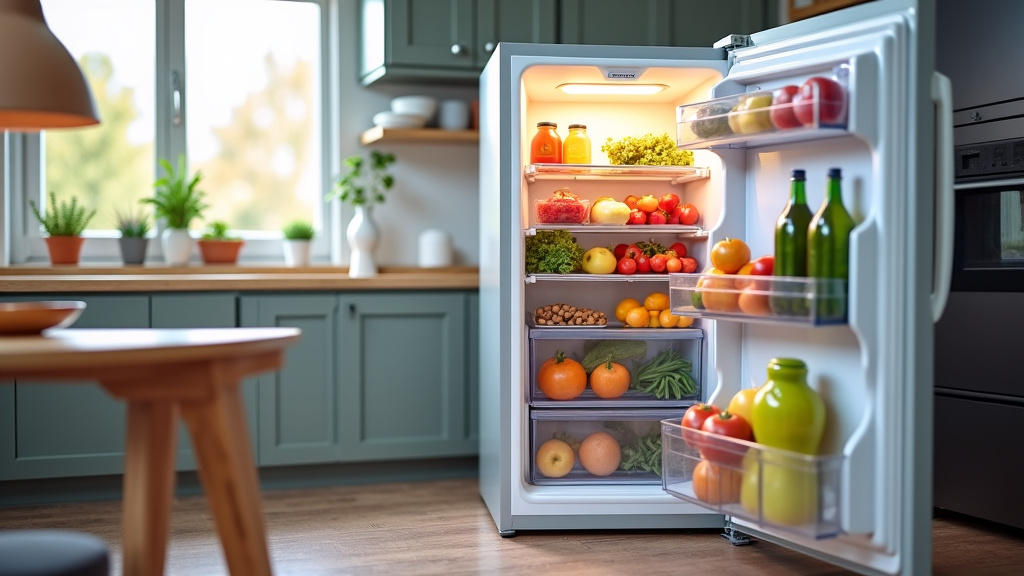
If your 7 cubic foot freezer has door bins or small side shelves, use them for smaller, flatter items. This could include things like frozen herb cubes, small fruit portions, or ice pop molds.
These areas are great for keeping small items organized and preventing them from getting lost at the bottom. They offer quick access to frequently used smaller portions.
Comparing Food Types and Their Space Requirements
Not all food is created equal when it comes to freezer space. Some items are naturally more compact than others.
| Food Item Type | Typical Quantity in 250 lbs | Estimated Space Used | Notes on Packing |
|---|---|---|---|
| Ground Beef (in 1 lb packages) | 100 lbs | ~ 3.5 – 4 cubic feet | Can be stacked efficiently. |
| Chicken Breasts (family packs) | 75 lbs | ~ 3 – 3.5 cubic feet | Less uniform than ground beef. |
| Frozen Vegetables (1 lb bags) | 50 lbs (approx. 50 bags) | ~ 10 – 12.5 cubic feet | Bags are flexible, but air can be present. |
| Frozen Berries (in containers) | 25 lbs | ~ 1.5 – 2 cubic feet | Containers can be bulky. |
As you can see from this rough table, meat products tend to be quite dense and can take up a good chunk of space. Frozen vegetables, while lighter per volume, can also occupy significant space due to their bag packaging.
This is where careful planning comes in. If you buy a lot of meat, you might fit fewer bags of vegetables. Understanding these trade-offs helps you decide what to buy and how to store it best.
Tips for Efficient Packing: A Quick Checklist
Want to make sure you’re using every inch of your freezer? Follow these simple tips:
- Vacuum seal most items for maximum space savings and freshness.
- Group similar items together (all poultry, all vegetables, etc.).
- Label everything clearly with contents and date.
- Don’t overpack to the point where air can’t circulate.
- Use rigid containers only when necessary and stack them neatly.
- Leave some space for new items or air circulation.
Following these steps can help you avoid the dreaded “freezer graveyard” where food gets lost and forgotten. It ensures you can find what you need quickly and efficiently.
Conclusion
You’ve learned that a 7 cubic foot freezer can hold approximately 250 pounds of food, but this is a flexible guideline. Your packing methods, like using vacuum-sealed bags and smart organization, can significantly increase this amount. Remember that the internal shape of the freezer and the types of food you store also play a role. By implementing the tips on efficient packing, grouping, and labeling, you’re well on your way to maximizing your freezer’s potential. Take a moment to assess your current freezer contents and plan your next shopping trip or food preservation project using this newfound knowledge!
Frequently Asked Questions
Will a 7 cubic foot freezer fit a whole turkey?
A whole turkey might fit in a 7 cubic foot freezer, but it depends on its size and how you pack it. Smaller turkeys or those that can be further broken down into parts are more likely to fit. You may need to remove excess packaging or use vacuum sealing to make it more compact.
How much space do frozen vegetables take up in a 7 cubic foot freezer?
Frozen vegetables in standard 1-pound bags can take up considerable space, with about 50 bags potentially using 10-12.5 cubic feet. While they are lighter, their packaging can create air pockets. Consider transferring them to vacuum-sealed bags to reduce their footprint.
Is it better to use original packaging or transfer food to other containers for a 7 cubic foot freezer?
For maximizing space in a 7 cubic foot freezer, it’s often better to transfer food out of bulky original packaging, especially cardboard boxes. Vacuum-sealed bags are ideal as they conform to the food’s shape, reducing wasted air space and preventing freezer burn.
How does vacuum sealing actually help fit more food in my freezer?
Vacuum sealing removes air from the food packaging, making the food much more compact and dense. This lack of air allows you to pack items more tightly together, much like fitting puzzle pieces, which significantly increases the total amount of food you can store in your 7 cubic foot freezer.
Can I still use my 7 cubic foot freezer if I overpack it?
While you can pack a 7 cubic foot freezer tightly, it’s important not to completely block air circulation. Proper air flow is necessary for maintaining consistent temperatures and preventing freezer burn. Leave a little space or ensure air can still move between items for optimal food safety and quality.