Ziploc Freezer vs Storage Bags: Which Should You Choose? (November 2026)
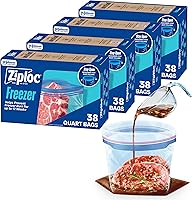
Pick Ziploc freezer bags for food you will freeze, and regular storage bags for short-term fridge or pantry use. In this ziploc freezer vs storage bags comparison, freezer bags use thicker plastic and stronger seals to handle cold, sharp edges and longer storage.
On this page (13 sections)
- Ziploc freezer vs storage bags: the quick verdict
- Ziploc freezer and storage bags side by side
- Why thickness matters in the freezer
- How the seals compare
- Freezer burn and how bags help prevent it
- Which bag fits meat, meals and liquids
- Which bag fits fridge and pantry use
- Cost, value and waste
- Size, shape and how bags stack in a freezer
- When bags are not the right tool
- How to seal and store bags the right way
- Who should buy which Ziploc bag
- Ziploc freezer vs storage bags: final verdict
Choose Ziploc freezer bags for food that will stay frozen, and Ziploc storage bags for food you will use soon. That is the core of the ziploc freezer vs storage bags choice, and it comes down to thickness, seal strength and how long the food will stay put.
We compared the two Ziploc lines by their intended use, plastic weight, seal design and freezer performance. We also checked what buyers often mention about tearing, seals failing and freezer burn.
Our score weighs specs, features and buyer feedback against what you're shopping for. For this post, that means food protection in a freezer comes first, then ease of use for everyday storage.
 Best for space saving
Cozy Essential Vacuum Storage Bags with Hand Pump
Ziploc freezer vs storage bags: the quick verdict
Freezer bags win for freezing, storage bags win for short term use and value. If food will stay frozen for more than a few weeks, the thicker freezer bag is the safer pick.
Storage bags are lighter and often cheaper per bag. They work well for fridge items, pantry items and lunch prep that you will eat within days.
Freezer bags are built for cold temperatures. Their plastic stays more flexible, their seals are stronger, and they resist punctures from frozen food.
Think about time first. A bag for tonight's leftovers is different from a bag for meat you will cook next month.
Think about food second. Liquids, sharp bones and oily sauces need a stronger bag than dry pantry food.
Ziploc freezer and storage bags side by side
The table below shows the practical gap between the two lines. It focuses on the features that change how food fares in your freezer.
| Feature | Ziploc Freezer Bags | Ziploc Storage Bags |
|---|---|---|
| Plastic thickness | Thicker, heavier feel | Thinner, lighter feel |
| Seal | Stronger seal for freezing | Standard seal for short use |
| Cold resistance | Made to stay flexible when frozen | Can stiffen or crack in long freezer storage |
| Puncture resistance | Better against bones and ice | Easier to puncture |
| Best use | Meat, meals, vegetables, liquids for weeks | Fridge and pantry items for days |
| Cost per bag | Higher | Lower |
Freezer storage bags from Ziploc also often lay flatter and stack more neatly. That helps you fit more portions in a small freezer.
Storage bags close fast and are easy to open again. That makes them handy for items you will reach for often.
Neither bag adds a vacuum seal. If you need air removed to save space, you need a different storage method for clothing and bedding, not food bags.
Why thickness matters in the freezer
Thicker plastic protects food from cold damage and punctures. In the freezer, plastic gets more brittle, and thin bags can crack along folds.
Freezer bags use thicker plastic to stay flexible at low temperatures. That flexibility helps the bag bend around frozen food without splitting.
Sharp edges matter too. Bones, frozen broccoli stems and ice crystals can poke through thin plastic over time.
A puncture lets air in and moisture out. That leads to freezer burn, dull color and off flavors.
Storage bags are thinner by design. They are made for a fridge or pantry, where temperatures are milder and storage times are short.
For a few days in the fridge, a storage bag is fine. For a month in the freezer, thickness earns its keep.
How the seals compare
Freezer bags have stronger seals that hold up to expansion and handling. Food expands as it freezes, and liquids can push against the seal.
A strong seal keeps soup, sauce and juices inside the bag. It also keeps freezer odors out of the food.
Storage bag seals are made for quick closing and reopening. They work well when you will open the bag again soon.
Press and seal closures are fast, but they can fail if crumbs or moisture sit in the seal track. Wipe the seal area before you close any bag.
For freezer use, squeeze out air, close the seal, then press along the top to check it. A good check is to hold the bag upside down for a few seconds.
Double seals on some freezer bags add backup protection. That helps when a bag is jostled in a crowded freezer.
If a seal fails in the freezer, food can leak and coat other items. That clean up is worse than the small price gap between bag types.
Freezer burn and how bags help prevent it
No bag stops freezer burn on its own, but a good freezer bag slows it down. Freezer burn happens when air reaches the surface of frozen food and pulls out moisture.
Thicker plastic, a tight seal and little trapped air all help. That is why freezer bags beat storage bags for long storage.
Press out as much air as you can before you seal the bag. Lay bags flat so portions freeze fast and stack with less air between them.
Wrap food well before bagging when you can. Ground meat, fish and cooked meals do best with close contact between food and bag.
Label each bag with the food and the date. That helps you eat food in order and avoid keeping items until quality drops.
Storage bags let more air affect food over time. That is fine for fridge use, but it is a poor choice for a freezer stash.
Our post on are ziploc freezer bags bpa free covers material questions readers ask about these bags. Read that before you decide on long term food storage.
Which bag fits meat, meals and liquids
Freezer bags fit meat and liquid meals because they handle shape, weight and expansion. Storage bags are a weak match for these foods in a freezer.
Meat has bones and firm edges that can puncture thin plastic. Freezer bags resist that better and keep juices contained.
Soups and sauces expand as they freeze. Leave about an inch of headspace, lay the bag flat, and let it freeze in that flat shape.
Flat bags stack like books. That saves space and makes it easier to see what you have.
For portion control, fill bags to the size you will cook. That saves time on thaw day and cuts waste.
Storage bags work for marinated meat in the fridge for a day or two. For the freezer, switch to a freezer bag.
If you freeze a lot of soup, also compare freezer meal containers for rigid storage. Containers protect shape, while bags save space.
Which bag fits fridge and pantry use
Storage bags fit short term fridge and pantry use because they are light and easy to reopen. If you will eat the food within days, a freezer bag is overkill.
Dry goods like rice, beans and snacks do well in storage bags. They are easy to close, store and reopen.
Fridge items like cheese, veggies and leftovers also suit storage bags for short holds. The seal keeps moisture in and odors from spreading.
You save money per bag when you use storage bags for these jobs. That matters if you pack lunches or prep food daily.
Freezer bags still work for fridge use, but you pay more for thickness you do not need. Save them for frozen food.
Choose bag size to match the amount of food. Air gaps let food dry out faster, so a smaller bag is often better.
Our guide to freezer bags vs storage bags goes deeper on everyday choices. It helps you match bag type to food type.
Cost, value and waste
Freezer bags cost more per bag, but they can cost less per meal when they prevent waste. A failed seal or freezer burn can ruin food you paid for.
Storage bags win on price for daily use. That makes them the smart pick for food you will use fast.
Freezer bags win on protection for food you store for weeks. That protection can save both money and effort.
Buy in sizes you use most. A few common sizes waste less than a mixed pack you rarely open.
Quart and gallon sizes cover most home use. Quart bags suit portions and small items, while gallons suit family meals and bulk meat.
Check best quart freezer bags if you freeze single portions often. Smaller bags reduce air space and stack well.
Avoid buying a giant pack of a size you never use. Stale bags and clutter help no one.
Size, shape and how bags stack in a freezer
Flat, uniform bags store more food than odd shapes and loose bags. Size choice affects how much your freezer holds.
Gallon freezer bags are the workhorse for most households. They hold family portions, large cuts of meat and flat lay soups.
Quart bags suit single servings, berries, herbs and small meat portions. They also fit in door bins and small freezers.
Lay bags flat to freeze when you can. That creates a stack you can file upright like folders.
Label the long edge so you can read it when bags are filed. That saves digging and keeps older food in front.
Storage bags are often softer and less uniform. That makes them harder to stack in a freezer, another reason to use freezer bags there.
For dry pantry storage, shape matters less. Choose a bag that closes well and fits your shelf.
When bags are not the right tool
Bags are not right for fragile food, daily access or bulky non food storage. Knowing the limits helps you pick better tools.
Fragile items like berries and baked goods can crush in a bag. A rigid container protects shape and keeps items from breaking.
Food you open daily does better in a container with a lid you can snap shut. Bags can leak after repeated opens.
Clothes, bedding and pillows need a different kind of storage. Food bags do not compress bulky items or protect them from dust the same way.
For clothing and bedding, the Cozy Essential Vacuum Storage Bags with Hand Pump show a different approach, with vacuum compression and multiple sizes. That product is for clothes and bedding, not food.
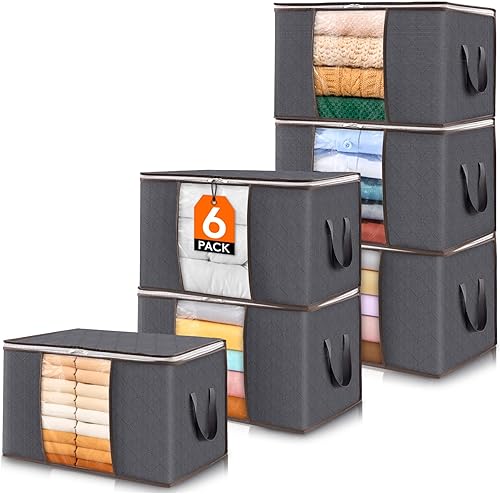
For closet organization without vacuum compression, the Lifewit 6 Pack Clothes Storage Bins offer breathable fabric bins with clear windows. Those bins suit sweaters and comforters, not freezer food.
For fragile freezer food, compare best glass freezer containers for rigid protection and stacking. Glass also lets you see contents without opening the container.
How to seal and store bags the right way
Good sealing habits matter as much as bag choice. A strong bag with a weak seal will still leak or dry out.
Fill the bag, then press out air before you close the seal. For liquids, leave headspace for expansion during freezing.
Wipe the inside of the seal track if food or moisture sits there. That helps the seal close tight.
Press the seal closed from one side to the other. Then press again along the top to check for gaps.
Lay the bag flat to freeze, then stack it with others. That shape saves space and freezes food faster.
Label with food name and date. That keeps rotation simple and helps you use older items first.
Store bags away from the freezer door when you can. That spot warms up each time you open the freezer.
Check bags now and then for tears or loose seals. Move food to a fresh bag if the seal looks weak.
For reusable options, see best reusable gallon freezer bags if you wash and reuse bags often. Reusable bags can cut waste for some households.
Who should buy which Ziploc bag
Buy freezer bags if you freeze meat, meals and liquids for weeks, and storage bags if you prep food for days. That simple rule covers most readers.
Choose freezer bags if you batch cook, buy meat in bulk or keep a freezer stash for busy weeks. The thicker plastic and stronger seal protect that investment.
Choose storage bags if you pack lunches, store fridge leftovers or keep pantry items. They are light, cheap and easy to reopen.
Choose both if you cook daily and freeze monthly. Many homes keep storage bags for the fridge and freezer bags for the freezer.
If most of your food is used within a week, storage bags will save you money. If most food waits in the freezer, freezer bags will save you food.
Our list of best freezer storage bags helps you compare options beyond one brand. Use it when you want more choices for size, seal type and shape.
Ziploc freezer vs storage bags: final verdict
Pick Ziploc freezer bags for frozen food and Ziploc storage bags for short term fridge and pantry use. That match of bag to task gives you the best food quality for the price.
Freezer bags bring thicker plastic, stronger seals and better puncture resistance. Those traits matter when food stays frozen for weeks.
Storage bags bring lower cost and easy reopening. Those traits matter when food will be eaten soon.
Do not use storage bags for long freezer storage just to save money per bag. The risk of leaks, tears and freezer burn can waste more food than you save.
Do not use freezer bags for every small fridge task if cost matters. Save the stronger bags for the freezer, where they do the most good.
Next, check best soup storage bags for freezer if liquid meals are your main freezer charge. The right shape for soup can save a lot of space.
Frequently asked questions
What is the difference between Ziploc freezer bags and storage bags?
Ziploc freezer bags are made with thicker plastic and stronger seals for freezing, while storage bags are lighter for short term fridge or pantry use. Freezer bags resist cold, punctures and freezer burn better, and they usually cost a little more per bag.
Can you use storage bags in the freezer?
You can freeze food in a regular storage bag for a short time, but a freezer bag is safer for longer storage. Thin plastic can crack in the cold, seals can fail, and food can dry out or absorb freezer odors.
Use freezer bags for meat, meals and anything kept for weeks.
Are Ziploc freezer bags thicker than storage bags?
Yes. Ziploc freezer bags use thicker plastic than standard storage bags from the same line.
That thickness helps resist punctures from bones, ice crystals and sharp edges, and it helps the bag stay flexible in the freezer.
Which bag is better for soup and liquid food?
A freezer bag with a strong seal and a flat lay shape is better for soup and sauces. Lay it flat to freeze, stack the portions, and leave headspace for expansion.
Our guide to best soup storage bags for freezer can help with shapes that stack well.
When should you use containers instead of bags?
Use rigid containers when food is fragile, when you need stacking, or when you want a seal you can open and close daily. Bags save space and freeze flat, while containers protect shape and prevent leaks.
Many cooks use both.