What Size Chest Freezer Do I Need for a Family of 4?
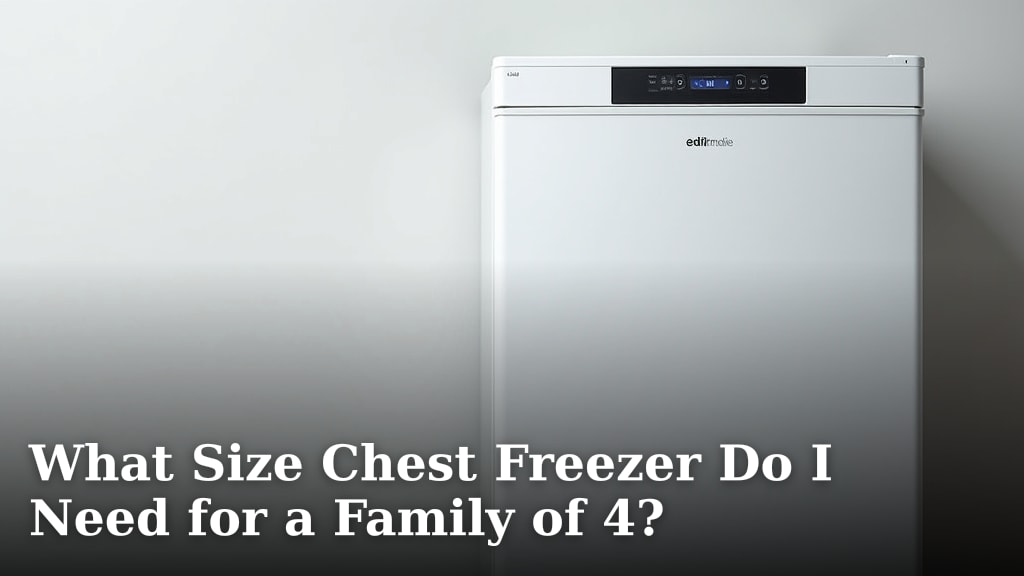
For a family of four, a chest freezer size of 15 to 20 cubic feet is generally a good starting point. This offers enough space for bulk purchases and preserving leftovers. You want to ensure you have ample room without overspending on a unit that’s too large for your needs.
Choosing the right chest freezer size depends on your family’s eating habits and how often you shop for groceries. Think about how much space you’ll need for frozen meats, vegetables, prepared meals, and those surprise ice cream cravings. Getting the right capacity can save you money and reduce food waste.
- Generally, 15-20 cubic feet is recommended for a family of four.
- Consider your family’s eating habits and shopping frequency.
- Think about the types of food you’ll store most often.
- A well-sized freezer helps save money and reduce waste.
Let’s dive into the details to help you figure out the perfect chest freezer size for your household.
Choosing the Right Chest Freezer Capacity for Your Family of Four
Finding the perfect chest freezer size is like finding the right-sized fridge. You want enough room for your frozen foods. But you don’t want it so big that it wastes energy or takes up too much space. For a family of four, the general consensus is around 15 to 20 cubic feet.
This range gives you flexibility. You can stock up on sale items. You can also freeze leftovers and prepare meals ahead of time. Let’s break down why this size works and how to fine-tune it for your specific needs.
Understanding Freezer Capacity: Cubic Feet Explained
When you look at freezer sizes, you’ll see numbers like 10 cu. ft., 15 cu. ft., or 20 cu. ft. This refers to the total volume inside the freezer. It’s how much stuff you can physically pack into it.
Think of it like a big empty box. The bigger the box, the more you can store inside. Chest freezers are generally more efficient than upright models. They also tend to hold more food for their size.
How Much Space Do You *Really* Need?
The 15-20 cubic feet recommendation is a solid starting point. But your family might need a little more or a little less. We need to look at your specific situation.
Consider how often you buy groceries. Do you prefer weekly trips or monthly bulk shopping? Bulk buying often means more frozen items. This requires more storage space. We found that families who shop less often tend to need larger freezers.
Factors Influencing Your Freezer Size Choice
Your family’s eating habits play a big role. Are you big meat-eaters? Do you buy frozen vegetables in bulk? Do you enjoy making large batches of soup or chili to freeze?
Each of these habits can increase your frozen food volume. For example, if you buy whole chickens or large cuts of beef, they take up more space. Preserving seasonal produce from your garden also adds to the need for capacity.
Estimating Your Freezer Needs: A Practical Approach
Let’s get a bit more specific. We can try to estimate your storage needs. This helps avoid buying a freezer that’s too small or too big.
Consider Your Current Freezer Usage (If Applicable)
Do you already have a freezer? Is it overflowing? Or do you have plenty of extra space?
If you have a smaller freezer now and it’s always packed, you’ll likely need to go up in size. If you have a large freezer but it’s mostly empty, you might be fine with a slightly smaller model. We found this is a great way to gauge your actual needs.
Bulk Buying Habits and Freezer Space
Many families save money by buying items in bulk. Think about frozen meats, seafood, or even bulk bags of french fries. These items often come in large packages.
If you plan to freeze several weeks’ worth of groceries at once, you’ll need ample room. A 15 cu. ft. freezer might feel cramped quickly if you’re stocking up heavily. We found that a 17-20 cu. ft. freezer is often ideal for bulk shoppers in a family of four.
Meal Prepping and Leftover Storage
Are you a big fan of meal prepping? Or do you often find yourself with delicious leftovers that you want to save for later?
Freezing individual portions or family-sized meal containers takes up space. If you make large casseroles or stews regularly, these items will fill your freezer fast. A larger capacity gives you more freedom to store these convenient meals.
The Benefits of a Slightly Larger Freezer
Sometimes, it’s better to have a little extra space. A freezer that isn’t crammed full allows for better air circulation. This helps maintain a consistent temperature. It can also make it easier to find what you’re looking for. We found that better air circulation can contribute to food staying fresher longer.
Having extra room also means you can take advantage of a great sale. You won’t have to say no to that bulk pack of chicken because you don’t have space. It’s about having flexibility and reducing food waste.
When a Smaller Freezer Might Suffice
Is your family small in appetite? Do you tend to buy fresh groceries every few days? If so, you might not need the largest models available.
Perhaps you only plan to use the chest freezer for seasonal items, like garden vegetables or holiday turkeys. In these specific cases, a freezer in the 10-14 cu. ft. range could be sufficient. But for a family of four with typical eating habits, this is usually too small.
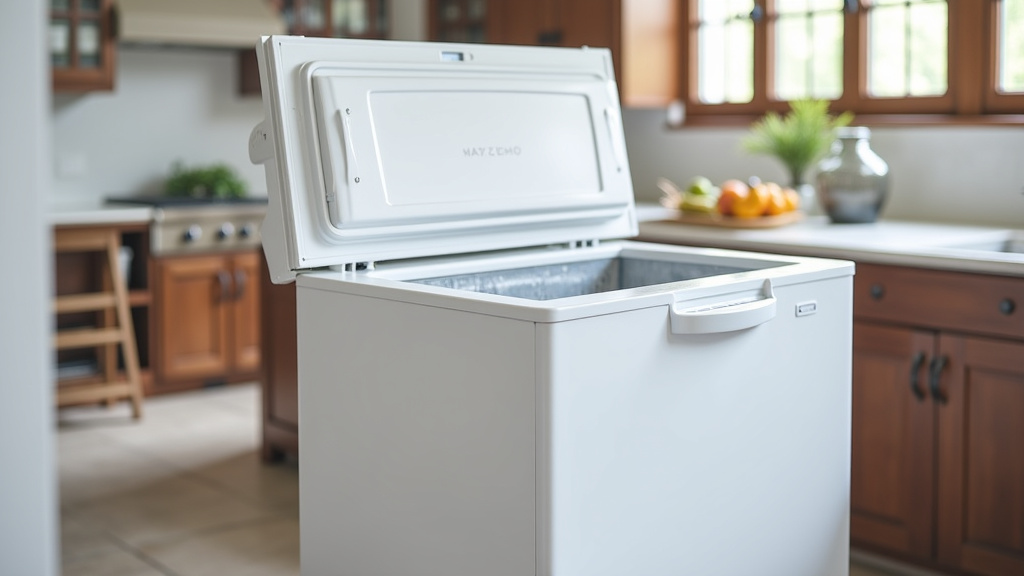
Chest Freezer Sizes: A Quick Comparison
To help you visualize, here’s a general idea of what different capacities might look like for a family of four.
| Capacity (Cubic Feet) | Best For | Notes |
|---|---|---|
| 10-14 cu. ft. | Limited freezer use, occasional bulk buys, supplemental storage. | Likely too small for primary freezing needs of a family of four. Can feel cramped quickly. |
| 15-17 cu. ft. | Average family of four, balanced shopping habits, some meal prep. | A good all-around choice, offering decent flexibility for most families. |
| 18-20+ cu. ft. | Frequent bulk shoppers, extensive meal preppers, gardeners, those who buy large cuts of meat. | Provides ample room for stocking up and future-proofing your freezer needs. |
Making Your Final Decision: A Checklist
Ready to make a choice? Use this quick checklist to confirm you’re on the right track for your family of four.
- Assess your typical grocery shopping habits: Do you buy in bulk or frequently?
- Consider your family’s appetite and eating patterns: How much frozen food do you consume?
- Think about meal prepping and leftovers: How much space will prepared meals take?
- Evaluate your current freezer situation (if any): Is it sufficient, too small, or too large?
- Factor in future needs: Will your family size or habits change soon?
- Remember that a little extra space is often helpful: It allows for flexibility and better organization.
By thinking through these points, you can confidently select a chest freezer size that meets your family’s needs. This ensures you get the most out of your purchase. You’ll keep your food frozen and your wallet happy.
Conclusion
You’ve learned that for a family of four, a chest freezer between 15 and 20 cubic feet is usually the sweet spot. This size offers the flexibility you need for stocking up on sales, storing bulk buys, and saving leftovers without overspending on energy. Remember to think about your family’s unique eating habits and how often you shop. By considering these factors, you can confidently choose a freezer that perfectly fits your needs. Take a moment to review your current freezer situation and your shopping plans. Then, you’ll be ready to make the best choice for your household!
Frequently Asked Questions
How much space does a family of 4 actually need in a chest freezer?
For a family of four, we recommend starting with 15 to 20 cubic feet. This general guideline accounts for regular grocery shopping, bulk purchases, and freezing leftovers. Your actual needs might vary based on appetite and how often you cook from scratch.
Is a 15 cu. ft. chest freezer enough for a family of four?
A 15 cu. ft. chest freezer can be sufficient for an average family of four if you shop more frequently or don’t buy large quantities of frozen goods. However, families who prefer bulk buying or extensive meal prepping might find it a bit tight.
What’s the difference between chest and upright freezers for storage?
Chest freezers typically offer more usable storage space for their exterior size compared to upright models. This is because they don’t have shelves taking up space, and the entire interior is open for you to organize.
Should I buy a larger freezer than I think I need?
It’s often wise to get a freezer with a little extra space. Research shows that a freezer that isn’t completely packed allows for better air circulation, which helps maintain consistent temperatures. Plus, extra room lets you take advantage of unexpected sales.
How do I calculate freezer space needed for meal prepping?
If you frequently meal prep, consider how many individual portions or family-sized containers you typically make. Each meal container takes up space. Families who prep a week’s worth of meals or more will likely need to lean towards the larger end of the 15-20 cu. ft. range.