What Is a Wine Cooler Refrigerator?
A wine cooler is a storage appliance made to keep wine at a controlled, steady temperature. It gives bottles a dedicated space, often with shelves sized for wine, instead of storing them alongside everyday food.
On this page (8 sections)
- What is a wine cooler used for?
- How does a wine cooler refrigerator work?
- What should you look for in a wine cooler?
- Is a wine cooler better than a regular refrigerator?
- Is a wine fridge different from a wine cooler?
- Can a beverage cooler work as a wine cooler?
- Where should you put a wine cooler?
- Which wine cooling option fits your routine?
A wine cooler is a temperature-controlled appliance made to store wine bottles in a dedicated space. It can help you keep a collection organized and ready to serve without mixing bottles with everyday groceries.
The term can describe a small countertop unit, a freestanding cabinet, or a built-in appliance. The right size depends on how many bottles you keep, where you plan to place the unit, and whether you need storage or just a way to chill a bottle before serving.
What is a wine cooler used for?
A wine cooler is used to store wine at a controlled temperature in a space arranged for bottles. Depending on the model, it may hold a small group of bottles or a larger collection.
This differs from a drink chiller or ice bucket, which cools wine for serving. A wine storage appliance is meant to hold bottles over time, while a single-bottle accessory helps with a bottle you have already opened or plan to serve soon.
If you are comparing general-purpose cooling products, our coolers complete buying guide covers other ways to keep food and drinks cold. For a dedicated wine storage appliance, start by considering capacity, temperature control, shelf layout, and placement.
How does a wine cooler refrigerator work?
A wine cooler refrigerator uses a cooling system and temperature control to keep its interior within a set range. Different models may use different cooling methods, so check the details for the specific unit you are considering.
The temperature setting is one part of the decision. Also consider how much the door will be opened, whether the appliance will sit in a warm room, and whether the unit needs room around it for ventilation.
A wine cooler is not automatically a better choice for every bottle. If you only need to chill a bottle for a meal, a small wine accessory may meet that need without taking up permanent floor or counter space.
Newward says its wine chiller stick keeps wine chilled for up to an hour after it has been placed in the bottle. It needs at least 2 hours in the freezer before use, so it suits serving rather than long-term storage.
What should you look for in a wine cooler?
Choose a wine cooler by matching its bottle capacity, temperature controls, and footprint to your space and routine. A cabinet that holds more bottles than you need can take up room, while a small unit may not fit a growing collection.
- Capacity: Count the bottles you usually keep and leave room for the shapes you buy.
- Temperature control: Check the available range and how the setting is adjusted.
- Bottle fit: Look at shelf spacing and interior dimensions, especially for wider bottles.
- Placement: Decide whether you want a countertop, freestanding, or built-in unit.
- Door and lighting: Consider how the door opens and whether you want to see bottles without turning on room lights.
For ideas on sizing and features, browse best wine coolers for home. If you have many bottles, compare best large wine coolers and check the cabinet dimensions against the space you have.
Is a wine cooler better than a regular refrigerator?
A wine cooler can be a better fit when you want dedicated bottle storage and a wine-focused temperature setting. A regular refrigerator may be more practical if you only keep a few bottles and already have space available.
Regular refrigerators are made for mixed groceries, and frequent door opening can affect the interior temperature. A wine cooler gives bottles their own shelves and setting, but it also adds another appliance to place and power.
The choice depends on how you use your wine. Read our comparison of wine cooler vs refrigerator for a closer look at the tradeoffs.
The Igloo mini fridge is a compact refrigerator with a separate freezer compartment, adjustable mechanical temperature control, and a 32–50°F refrigerator cooling range. It is a general-purpose mini fridge, so check whether its layout fits your intended use.
Is a wine fridge different from a wine cooler?
“Wine fridge” and “wine cooler” are often used for the same kind of appliance: a refrigerator designed to store wine. Some retailers use the terms differently, so compare the features and dimensions instead of relying on the name alone.
A bottle-chilling stick, insulated wine tote, or ice bucket may also be called a wine cooler in some contexts. Those accessories are not wine storage refrigerators.
Our guide to wine fridge vs wine cooler explains how to tell the appliance and accessory meanings apart.
Can a beverage cooler work as a wine cooler?
A beverage cooler can work for wine if the bottles fit and the temperature range suits your storage needs. Many beverage models are set up for cans, so check shelf spacing and bottle clearance before buying.
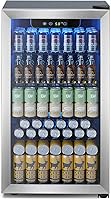
The Electactic beverage refrigerator has 3.2 cu. ft. of space, 4 adjustable wire shelves, and a temperature control range of 32–61°F. Its description says it can hold cans, bottles, and kegs, but confirm that the bottle shapes you own fit on its shelves.
A beverage cooler may be more useful if you want room for cans and several kinds of drinks alongside wine. Compare the differences in our beverage cooler vs wine cooler guide.
Where should you put a wine cooler?
Place a wine cooler where its dimensions, door swing, and ventilation needs fit the room. Follow the appliance instructions for clearance and keep it away from direct heat sources if those instructions call for it.
Measure the width, height, and depth of the available space, including room for the door to open. For a built-in model, make sure the appliance is designed for that installation style; a freestanding unit may need open space around it.
If your needs are closer to commercial food storage, a wine cooler may be too small or too specialized. See how to choose a walk-in refrigerator freezer combo for a different type of cold-storage setup.
Which wine cooling option fits your routine?
Choose a wine cooler refrigerator if you keep bottles on hand and want a dedicated, temperature-controlled place for them. Choose a beverage cooler if you want mixed drink storage and have verified that your bottles fit.
For a few bottles served occasionally, a wine chiller stick can be a smaller solution. Before buying an appliance, measure the spot, count the bottles you actually store, and compare the temperature range and shelf layout with your needs.
Frequently asked questions
What does a wine cooler refrigerator do?
A wine cooler refrigerator stores wine in a dedicated, temperature-controlled space. Its shelves and layout are intended for bottles, and some models let you set a temperature for the wine you keep.
Check the appliance’s capacity, temperature range, and installation needs to see if it fits your collection and room.
Is a wine cooler the same as a refrigerator?
A wine cooler is a type of refrigerator, but it is designed for storing wine rather than a mix of food and drinks. Regular refrigerators are colder and often have more temperature swings from frequent opening.
A wine cooler can offer bottle-focused storage and a temperature range chosen for wine.
Can a beverage cooler store wine?
A beverage cooler can hold wine bottles if its shelves and interior dimensions fit them, and its temperature range suits your needs. Many beverage coolers are built for cans and mixed drinks, so check bottle clearance and shelf adjustment before choosing one for a wine collection.
Should I buy a wine cooler for a few bottles?
A dedicated wine cooler may make sense if you want a fixed space and controlled setting for bottles you keep regularly. For occasional serving, a chilled wine stick or an existing refrigerator may be enough.
Think about how many bottles you store, where the unit will go, and how often you open it.