How to Organize a Small Chest Freezer
Good small chest freezer organization uses zones, stackable baskets, and labels so every item stays visible and easy to reach. Measure the inside first, group similar foods, and keep daily items on top.
On this page (11 sections)
- How small chest freezer organization works in a tight space
- What should you measure before buying baskets or trays?
- How do you create zones for meat, vegetables, and meals?
- Which baskets help small items stay visible?
- How do mesh shelves help in a small chest freezer?
- How do winter gloves make organizing easier?
- How do you arrange food from top to bottom?
- How do you label and track food so nothing gets lost?
- How do you keep the freezer cold while you organize?
- How do you maintain zones once the freezer is set up?
- Which setup is right for your small chest freezer?
Good small chest freezer organization means every item stays visible, grouped by type, and liftable in seconds. You do not need a new freezer.
You need a plan that fits the space you already have.
Start by emptying the freezer and sorting food into groups. Use meat, vegetables, prepared meals, and bulk packs as your first zones.
Then add baskets or trays that match those groups and the exact inside measurements.
How small chest freezer organization works in a tight space
Small chest freezer organization works best when you treat vertical space as storage, not wasted room. A shallow basket on top can hold daily items.
A deeper zone below can hold bulk packs you use less often.
Measure the inner width, length, and depth before you buy anything. Note the compressor hump, the lowest inside point, and the area under the lid.
A basket that looks right online can still block the lid.
Keep a short inventory list on the outside of the lid or on your phone. Write the item, amount, and date.
Update it when you shop. One duplicate pack can take space you need for something else.
If you want a deeper look at storage tools, start with a guide to freezer meal containers for soups, sauces, and flat packs. Flat packs freeze faster and stack better than bulky tubs.
What should you measure before buying baskets or trays?
Measure first, then buy. Inner width decides fit more than stated capacity does.
Two freezers sold as the same size can have different inside shapes.
Measure wall to wall at the top and at the floor. Measure around any hump or raised section.
Leave a small gap so you can lift a full basket without catching the sides.
Check height too. A 6.1 inch tall basket may work on the floor but block a second basket above it.
Stack two baskets on paper first if you plan to stack them.
Write the numbers on a note and take them with your phone when you shop. This step prevents most returns.
How do you create zones for meat, vegetables, and meals?
Create zones by how you cook, not by how you shopped. Meat in one basket, vegetables in one, and prepared meals in one makes meal planning faster.
You can see what you have before you start cooking.
Put foods you use most often on top. Put bulk packs and seasonal items lower down.
Keep a small top zone for bread, berries, or lunch packs.
Label each zone with a simple word. Use a marker on tape or a small card.
Clear words save time when your hands are cold.
If you use freezer tape vs masking tape for labels, pick the tape that stays stuck in cold air. Test it on one basket first.
Which baskets help small items stay visible?
Baskets help most when small packs tend to slide to the bottom. A 4 pack of stackable wire baskets can turn loose packs into neat rows.
You can lift one basket to reach the food below.
The iSPECLE Freezer Organizer Bins are a 4 pack in black. Each basket measures 14.7 inches long, 7.1 inches wide, and 6.1 inches high.
They are made for 7 cubic foot models, but you should still measure your freezer first.
iSPECLE says each basket holds more than 33 lb and uses 20 percent thicker carbon steel. The open wire grid lets cold air move around food.
Rubber feet help protect the freezer lining from scratches.
How do stackable baskets save vertical space?
Stackable baskets save space because the handles fold inward and form a locking shelf. You can stack one basket on another without extra lids.
This keeps small packs from being buried under larger ones.
Use the top basket for daily items. Use a lower basket for meat or bulk packs.
Lift the top basket out, grab what you need, and set it back down.
What is the trade-off with wire baskets?
Wire baskets are strong and let air flow, but very small items can fall through the gaps. Use a solid tray under loose small packs if needed.
Wipe baskets dry before you put them back.
How do mesh shelves help in a small chest freezer?
Mesh shelves help when you want a raised level without a full basket. A low shelf creates a top layer for flat packs and small bags.
You can still see and reach items below.
The SIBAO Set of 2 Mesh Kitchen Shelves includes two white shelves. Each shelf measures 13.1 by 10.2 by 5.6 inches.
They need no assembly and have non-slip plastic feet.
SIBAO makes these shelves from steel with a rust-resistant finish. You can wipe them clean with a damp cloth.
Check the fit in your freezer first.
When should you choose a shelf instead of a basket?
Choose a shelf if you want flat packs on top and bulk packs below. Choose a basket if small loose packs keep sliding around.
Some freezers work best with one shelf on top and one basket below.
Do not overload a shelf with heavy meat packs. Keep heavy items on the floor or in a sturdy basket.
How do winter gloves make organizing easier?
Winter gloves make a real difference when you sort food in a cold freezer. Warm, dry hands help you work faster and read labels before you close the lid.
You can still grip packs without fumbling.
The LOCCEF 2 Pairs Winter Work Gloves include two pairs of thermal gloves. They have a 15-gauge nylon outer layer and a soft fleece inner layer.
LOCCEF says they are rated ANSI 2 for puncture resistance and ANSI 3 for abrasion resistance.
These gloves suit cold storage and other tasks where you need grip. The palm design helps you hold slippery packs.
Two pairs let you keep one dry while the other air dries.
How do gloves help with safety and grip?
Gloves help you grip frozen packs that feel slick or sharp. They also protect your hands from cold metal baskets and frosty surfaces.
Keep gloves near the freezer so you will use them every time. A quick pair by the lid makes sorting safer and faster.
How do you arrange food from top to bottom?
Arrange food by use frequency. Daily items go on top, weekly items in the middle, and bulk items at the bottom.
This order reduces lid-open time and keeps food colder.
Put bread, berries, and lunch packs on top. Put vegetables and prepared meals in the middle.
Put whole meats and bulk packs at the bottom. Heavy items at the bottom also keep the freezer stable.
Do not pack food tight against the walls. Leave small gaps so cold air can move.
If you need more ideas for sorting by size, look at best small chest freezer baskets and best small wire freezer baskets before you buy. Match the basket to your measurements, not just to the photos.
How do you label and track food so nothing gets lost?
Label every basket and every bag with a clear name and date. A simple label prevents duplicates and helps you use older food first.
Small freezers punish waste fast because space is tight.
Write the food name, amount, and freeze date. Put the label where you can see it without lifting the basket.
Keep a paper list on the lid or a note on your phone. Update it at the shop.
Cross off items as you use them. Add new items the day you freeze them.
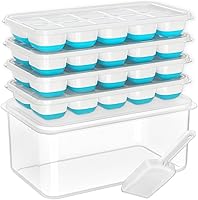
Trays can help with flat packs and meal prep. Compare best chest freezer trays if you freeze soups, sauces, or flat meat packs.
How do you keep the freezer cold while you organize?
Keep the lid open for as short a time as you can. Sort food on a table first, then move it into the freezer in groups.
This plan cuts the time the lid stays open.
Work in batches. Take one basket out, add food, and put it back.
Do not stand with the lid open while you decide where items go.
If you are also shopping for a freezer or checking running costs, read How Many Amps Does a Small Chest Freezer Use? and How Much Does a Small Chest Freezer Cost?. Those guides help you plan the appliance, while this post helps you use the space inside it.
How do you maintain zones once the freezer is set up?
Maintain zones with a weekly check. Spend five minutes each week to move food back to its zone.
This habit stops small packs from drifting to the bottom.
Check dates and use older items first. Move meat near its use-by date to the top zone.
Put new packs lower down.
Wipe spills as soon as you see them. Dry baskets before you put them back.
Keep the lid seal clean so cold air stays inside.
Which setup is right for your small chest freezer?
Pick stackable wire baskets if loose packs keep getting buried. Pick a mesh shelf if you want a raised top layer for flat packs.
Pick gloves if sorting by hand slows you down or hurts in the cold.
For most homes, the best plan is simple. Use baskets for meat, vegetables, and meals.
Keep daily items on top. Label each zone.
Update your list when you shop.
Start with your measurements today. Then add one organizer at a time.
A small freezer feels much bigger when you can see everything inside it.
Frequently asked questions
How do I organize a small chest freezer?
Measure the inside, sort food into zones, and place each group in a basket or tray you can lift out. Keep daily items on top and bulk items lower down.
Label each basket and update a short inventory list as you add or remove food.
What size baskets fit a 7 cubic foot chest freezer?
Baskets for a 7 cubic foot model often measure about 14.7 by 7.1 by 6.1 inches, but sizes vary by freezer. Measure the inner width, floor space, and any compressor hump before you buy.
Leave room to lift baskets without scraping the lining.
Should I use wire baskets or solid bins?
Wire baskets let cold air move around food and make it easier to see what is inside. Solid bins can hold small loose packs more neatly, but they may block airflow if packed tight.
Stackable wire baskets suit most small chest freezers.
How often should I check my freezer inventory?
Check the list each time you shop and do a full inventory about once a month. Note what is running low and what needs to be used first.
This simple habit helps you avoid buying duplicates and waste.