How Many Cubic Feet is a Standard Freezer?
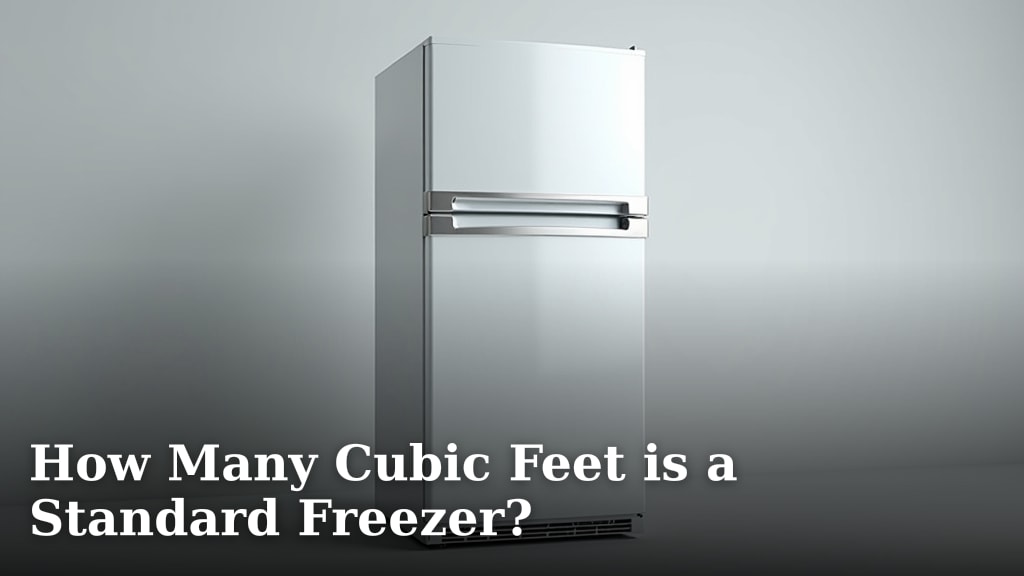
A standard freezer typically holds between 5 to 25 cubic feet of storage space. This wide range exists because “standard” can mean different things. It depends on whether you’re looking at a compact chest freezer or a large upright model. You’ll find many common sizes within this general capacity.
When choosing a freezer, cubic footage is a key metric. It helps you understand how much food you can store. Many households find a 10-20 cubic foot freezer to be a good balance. This provides enough room for bulk shopping and preserving seasonal harvests. Understanding these common capacities helps you make the right choice for your needs.
- Standard freezers range from 5 to 25 cubic feet.
- Chest freezers are often larger, while upright models vary more.
- Consider how much food you typically store.
- A 10-20 cubic foot size is popular for many families.
- Cubic footage directly impacts storage capacity.
Let’s break down what these numbers mean for your kitchen and grocery habits.
Understanding Your Freezer’s Cubic Footage Needs
So, how much space do you actually need in a freezer? It’s a question many shoppers ask. The answer really depends on your lifestyle and how you plan to use the freezer. We’ve found that a good starting point is to think about your family size and your shopping habits. Do you love to buy in bulk? Do you get a lot of fresh produce in season? Or are you just looking for a little extra space for leftovers?
Cubic footage tells you the total volume inside your freezer. It’s like the internal capacity of a car trunk. A bigger number means more room for groceries. For many households, finding the right balance between freezer size and kitchen space is key. Let’s break down what those cubic feet really mean for you.
Common Freezer Types and Their Capacities
Chest Freezers: The Bulk Storage Champions
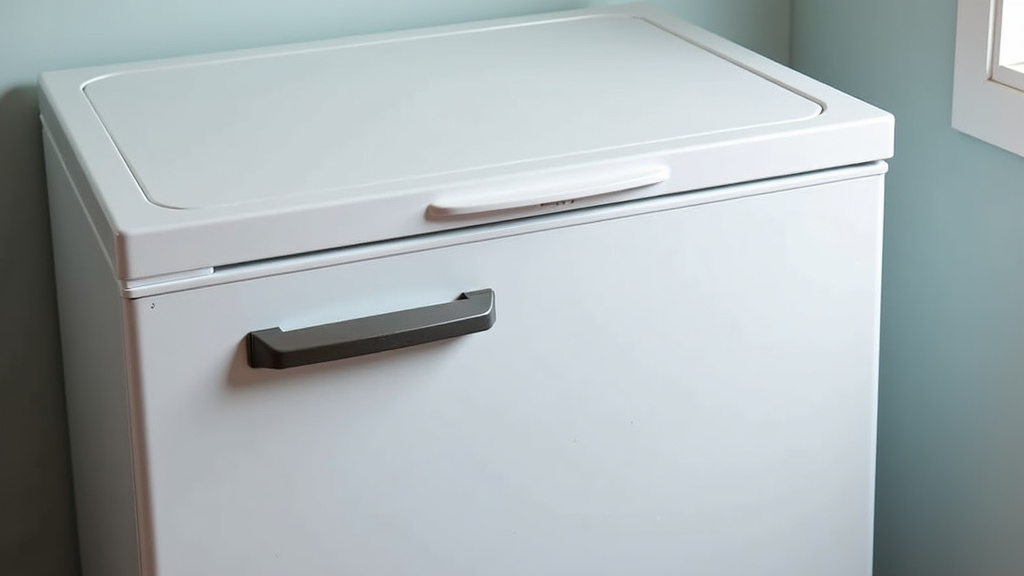
Chest freezers are often the go-to choice for those who need serious storage. They are generally simpler in design. This simplicity often means more usable space for the exterior dimensions. You’ll find them in a wide range of sizes. Some compact models start around 5 cubic feet. Many common household sizes are between 10 and 20 cubic feet. Larger units can go up to 25 cubic feet or even more.
The shape of a chest freezer is excellent for storing bulk items. Think large roasts, whole turkeys, or big bags of frozen vegetables. Because they open from the top, cold air doesn’t escape as easily when you open the lid. This can make them a bit more energy-efficient than upright models. However, digging to the bottom can sometimes feel like an archaeological dig!
Upright Freezers: Organized and Accessible
Upright freezers look more like refrigerators. They stand tall and usually have shelves and drawers inside. This design makes them much easier to organize. You can see what you have at a glance. This is a big plus for busy kitchens. They typically range from about 5 cubic feet for smaller, apartment-sized models up to 20 cubic feet for larger family units.
We found that a common size for an upright freezer is around 15 cubic feet. This offers a good mix of storage and accessibility. While they might not hold the single largest items as easily as a chest freezer, the organization factor is a huge win for many. The trade-off can be slightly higher energy use compared to chest freezers because cold air can escape more readily when the door is opened.
Compact and Mini Freezers: Just a Little Extra Space
Sometimes, you don’t need a giant freezer. Maybe you just want a bit more room for ice cream or to freeze some extra juice boxes. Compact and mini freezers fit this bill. These can be as small as 2 to 4 cubic feet. They are perfect for dorm rooms, small apartments, or as an extra freezer in a garage or basement. They won’t hold a whole Thanksgiving turkey, but they are great for convenience.
Built-In and Counter-Depth Models: Sleek Integration
For those who want their freezer to blend in with their kitchen cabinetry, built-in and counter-depth models are an option. These are designed for aesthetics. They often have a slightly smaller interior capacity compared to their freestanding counterparts of the same external dimensions. This is because the extra space is used for the cabinetry and ventilation systems. We’ve seen these types range from about 12 to 20 cubic feet.
How Much Food Can You Actually Store?
Let’s put those cubic feet into perspective. What does 10 cubic feet of freezer space look like in terms of groceries? It’s not an exact science, but we can get a good idea. Generally, you can fit about 35 pounds of food per cubic foot of freezer space. This is a rough estimate, of course. It depends heavily on the types of food you’re storing.
So, a 10 cubic foot freezer could hold roughly 350 pounds of food. A 20 cubic foot freezer might hold around 700 pounds. This is a lot of space! It’s enough for families to stock up on sale items, preserve a garden’s bounty, or prepare meals in advance. Think of it as storing multiple weeks of groceries, frozen meats, and those homemade treats.
Factors Affecting Storage Capacity
The type of food you store makes a big difference. Boneless, skinless chicken breasts take up less space than whole chickens. Large, oddly shaped items can be tricky. Packaging also plays a role. Bulky store packaging can be removed. Transferring items to freezer bags or containers can help you maximize space. Researchers at the University of Nevada, Reno, have found that efficient packing can significantly increase usable freezer space.
The presence of shelves and drawers in upright models can also affect how much you can cram in. While they help with organization, they can sometimes create awkward gaps. Chest freezers, with their open bin design, often allow for more flexible packing of oddly shaped items. Don’t forget to leave a little room for air circulation, which helps maintain consistent freezing temperatures.
Choosing the Right Freezer Size for Your Household
Single Individuals or Couples: Smaller Needs
If you live alone or with just one other person, your freezer needs are likely modest. A compact freezer, perhaps 4 to 7 cubic feet, might be sufficient. This is enough to store some frozen meals, a few bags of vegetables, and ice cream. If you rarely buy in bulk or cook large batches, you might not need much more.
We found that many single households do well with a freezer around 5 cubic feet. This is often available as a chest freezer or a small upright. It provides that extra buffer without taking up too much valuable kitchen or garage space. Overestimating your needs can lead to a freezer that’s mostly empty, wasting energy.
Small Families (3-4 people): The Popular Middle Ground
For families of three or four, the 10 to 15 cubic foot range is often a sweet spot. This size offers a good balance for stocking up on weekly groceries, freezing leftovers, and storing some bulk purchases. It’s large enough to be practical without being overwhelming in terms of space or energy consumption.
Many popular upright freezer models fall into this category. They offer the convenience of organization, which is a big plus with kids and busy schedules. We’ve seen that families in this size range often report feeling like they have “enough” space for their regular needs.
Large Families or Bulk Shoppers: Bigger is Better
If you have a large family, a big appetite, or a passion for gardening and preserving, you’ll need more space. For families of five or more, or those who regularly buy in bulk, a freezer of 15 to 25 cubic feet or even larger is advisable. This is where chest freezers often shine due to their efficient use of space for large quantities.
Consider the USDA recommendations for food storage. They suggest that adequate freezer space is important for reducing food waste. For households that store a significant amount of frozen food, having that extra capacity prevents the need for constant grocery trips or discarding excess produce. Many households find that a 20 cubic foot freezer is a great investment for their needs.
How Cubic Feet Translates to Real-World Storage: A Quick Guide
To help you visualize, here’s a general idea of what different capacities might hold:
| Freezer Size (Cubic Feet) | Approximate Food Weight Capacity (lbs) | Good For: |
|---|---|---|
| 2-4 | 70-140 | Extra ice, a few frozen meals, small items. Great for dorms or RVs. |
| 5-7 | 175-245 | Single person, couples, or as a secondary freezer for specific items. |
| 10-15 | 350-525 | Small to medium families, regular bulk buying, some garden harvest. |
| 16-20 | 560-700 | Larger families, significant bulk shopping, substantial seasonal preservation. |
| 20+ | 700+ | Very large families, serious hunters/gardeners, businesses. |
Making Your Final Freezer Choice
When you’re deciding, think about these quick points:
- Your Household Size: How many people are you feeding regularly?
- Your Shopping Habits: Do you buy in bulk or on sale?
- Your Food Preservation Plans: Do you garden or hunt?
- Available Space: Where will the freezer go, and how much room do you have?
- Organization Preference: Do you prefer easy access (upright) or maximum bulk storage (chest)?
- Energy Efficiency: Consider the ENERGY STAR rating for long-term savings.
By considering these factors, you can confidently select a freezer that meets your specific needs. You’ll avoid the headache of a freezer that’s too small or the wasted energy of one that’s too large.
Conclusion
You’ve learned that a “standard” freezer size really depends on your unique needs. We found that capacities typically range from 5 to 25 cubic feet, with common household sizes falling between 10 and 20 cubic feet. Whether you choose a spacious chest freezer for bulk storage or an organized upright model, consider your household size, shopping habits, and any food preservation plans. By carefully assessing these factors, you can confidently select the freezer that best fits your lifestyle and kitchen space. Your next step is to measure your available space and compare it with the dimensions of freezers that match your ideal cubic footage.
Frequently Asked Questions
What is the most common freezer size for a family?
For small to medium families of 3-4 people, the 10 to 15 cubic foot range is often ideal. This size offers a practical balance for storing everyday groceries, leftovers, and some bulk purchases. Many popular upright freezer models fall within this capacity, providing good organization and storage.
Can a 5 cubic foot freezer be enough for one person?
Yes, a 5 cubic foot freezer can be sufficient for single individuals or couples with modest needs. This size is great for storing a few frozen meals, some vegetables, and desserts without taking up too much space. If you rarely buy in bulk, this smaller capacity often works well.
Do chest freezers or upright freezers offer more usable space?
Chest freezers generally offer more usable space for their exterior dimensions because they don’t have internal drawers or shelves taking up room. Their open bin design also allows for more flexible packing of larger or oddly shaped items.
How much food can I realistically store in a 10 cubic foot freezer?
A 10 cubic foot freezer can hold approximately 350 pounds of food, based on a general estimate of 35 pounds per cubic foot. This is enough space for a family to stock up on sale items or store a good amount of seasonal produce.
Does the type of food I freeze affect how much fits?
Yes, the type of food significantly impacts how much fits. Boneless items take up less space than whole ones, and removing bulky packaging can help you maximize storage. Efficiently packing items, perhaps into freezer bags, can increase your usable capacity.