Does a Chest Freezer Need Three Prong Outlet?
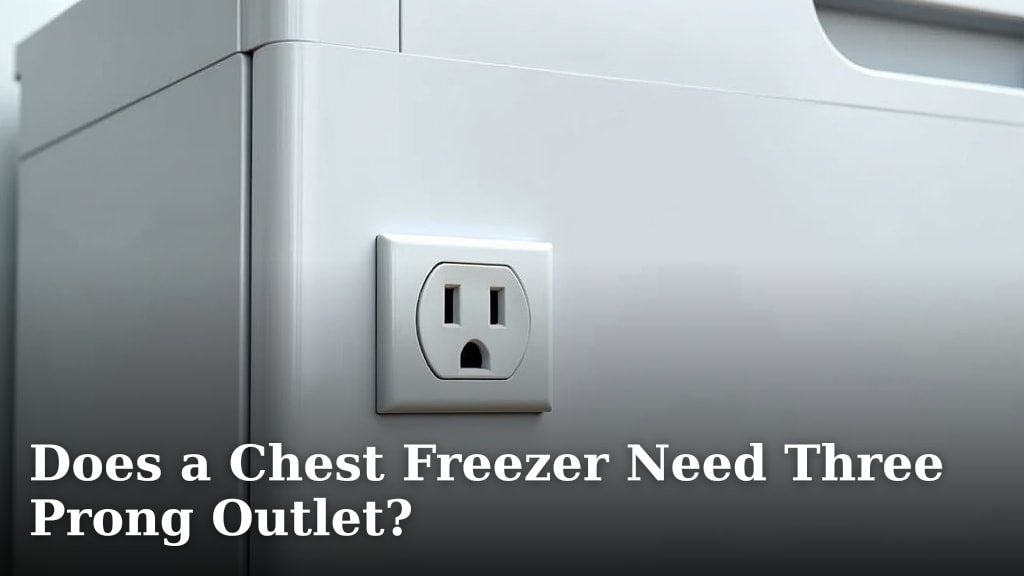
Yes, your chest freezer almost certainly needs a three-prong outlet. This is because the third prong is a grounding wire. It provides a safe path for electricity if something goes wrong. This helps protect you from electrical shocks. It’s a safety feature you shouldn’t ignore.
Most modern appliances, especially those that use a lot of power like freezers, are designed with this grounding system. It’s part of the standard electrical code for good reason. Skipping this safety step could put your home and your family at risk. We found that proper grounding is key for appliance safety.
- Chest freezers need a three-prong outlet for grounding.
- The third prong is a vital safety feature.
- It protects against electrical shocks.
- Always use a grounded outlet for your freezer.
So, let’s talk about why that third prong is so important and what you can do if your outlets don’t match up.
Your Chest Freezer’s Power Needs: Why a Three-Prong Outlet Matters
So, you’ve got a new chest freezer or maybe you’re just curious about how to set it up safely. One question that pops up is about the plug: does your chest freezer need a three-prong outlet? The short answer is almost always yes. That third prong isn’t just for show; it’s a critical safety feature designed to protect you and your appliance.
Think of your home’s electrical system like a plumbing system. It has pathways for the water (electricity) to flow. But what happens if there’s a leak or a burst pipe? You need a way to safely direct that excess or misplaced water. The grounding wire in a three-prong plug does a similar job for electricity. It provides a safe path for electricity to go if something unexpected happens. This prevents a dangerous buildup of electrical charge on your freezer’s metal casing, which could lead to a nasty shock.
Understanding the Three-Prong Plug: Grounding Explained
Let’s break down what those three prongs actually do. You’ve got the two flat blades, which are the standard electrical connectors. They supply the power your freezer needs to run. Then there’s the round or U-shaped prong. This is the grounding pin.
The Role of the Grounding Wire
This grounding pin is connected to a grounding wire within the appliance’s power cord. This wire runs all the way back to your home’s electrical panel. Its sole purpose is to connect the metal parts of your freezer to the earth. So, why is this important?
Imagine a scenario where a wire inside your freezer accidentally touches the metal casing. This could happen due to wear and tear or a manufacturing defect. Without a ground, that metal casing would become energized. If you were to touch it, the electricity would flow through you to the ground, and that’s a very dangerous electrical shock. It’s like touching a live wire directly.
How Grounding Prevents Shocks
With a three-prong outlet and plug, that grounding wire provides a low-resistance path for the electricity. Instead of going through you, the electricity is safely diverted into the ground. This usually causes a circuit breaker to trip or a fuse to blow, shutting off the power immediately. This sequence of events happens so fast you might not even notice it, but it prevents a serious injury.
Many safety organizations, like the Occupational Safety and Health Administration (OSHA), have strict guidelines regarding grounding for electrical safety. They emphasize that proper grounding is essential for preventing electrical hazards in homes and workplaces alike.
Why Chest Freezers Specifically Need Grounding
Chest freezers are essentially large refrigerators. They are appliances that run continuously and consume a significant amount of electricity. Because they have motors, compressors, and other electrical components, the potential for electrical faults exists. These aren’t small electronics; they’re workhorses keeping your food frozen.
Appliance Design and Safety Standards
Manufacturers design chest freezers to meet rigorous safety standards. These standards almost universally require appliances with metal casings and significant power consumption to be grounded. The three-prong plug is the standard way to achieve this grounding. It’s a design choice driven by the need for consumer safety.
You’ll find this requirement in electrical codes worldwide. For instance, the National Electrical Code (NEC) in the United States mandates grounding for most modern appliances. It’s a rule designed to protect people. Research consistently shows that properly grounded appliances significantly reduce the risk of electrical accidents (Consumer Product Safety Commission).
The Risks of Ungrounded Appliances
Using a chest freezer with a two-prong plug adapter or in a two-prong outlet bypasses this essential safety mechanism. You’re essentially removing the safety net. If an electrical fault occurs, the metal parts of your freezer could become energized. This puts anyone who touches the appliance at risk of electrocution.
It’s a bit like driving a car without seatbelts. While you might be fine most of the time, in an accident, the lack of protection can have severe consequences. We found that bypassing safety features is never a good idea when it comes to electricity.
Checking Your Outlets: What to Look For
Take a moment to look at the outlets where you plan to plug in your chest freezer. You’ll see different types.
Two-Prong vs. Three-Prong Outlets
A two-prong outlet has two slots. These are older style outlets and typically lack a grounding connection. A three-prong outlet has two vertical slots and a round hole below them. This round hole is for the grounding pin.
Many older homes still have two-prong outlets in some areas. While they might have worked fine for lamps or radios decades ago, they are not suitable for modern, high-power appliances like chest freezers. The grounding system is a key differentiator for safety.
Identifying Grounded Outlets
The easiest way to identify a grounded outlet is by the presence of that third, round hole. If your outlet has it, and the wiring behind it is properly connected to ground, it’s a grounded outlet. Testing your outlets with a simple outlet tester can confirm if they are wired correctly and grounded. These testers are inexpensive and readily available at hardware stores.
We found that many homeowners are unaware of the wiring in their older homes. A quick check can save a lot of potential trouble down the line.
What If You Only Have Two-Prong Outlets?
This is a common situation, especially in older homes. Fortunately, there are solutions, but it’s crucial to approach them correctly. Never assume a two-prong outlet is safely grounded with an adapter.
The Dangers of Adapters and “Cheater Plugs”
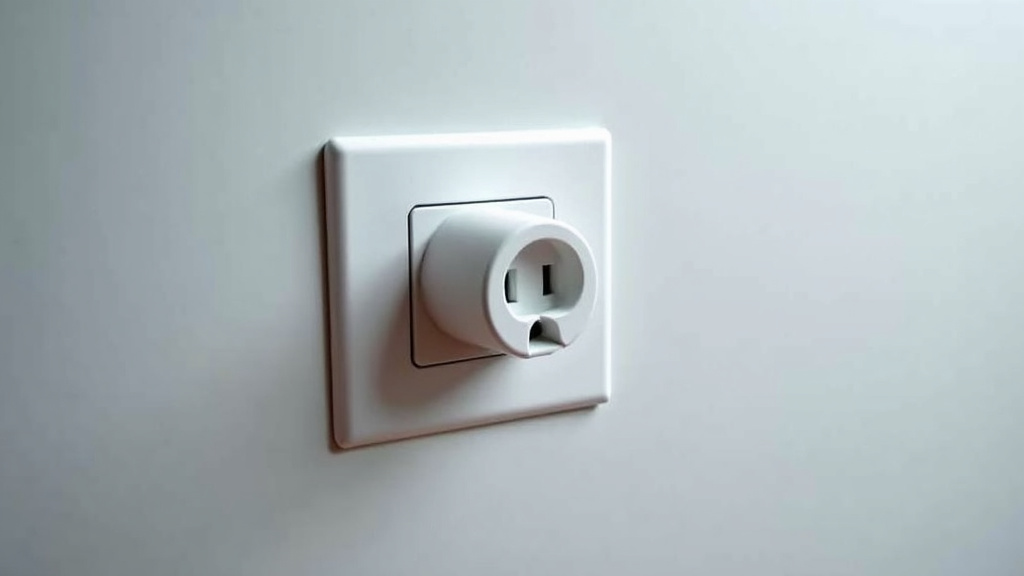
You might see adapters that allow you to plug a three-prong plug into a two-prong outlet. These are often called “cheater plugs.” Some of these adapters have a small tab or wire meant to be connected to a grounded screw on the outlet plate. However, this is only effective if the outlet box itself is actually grounded, which is often not the case in older homes.
Many experts strongly advise against using these adapters as a substitute for proper grounding. They can create a false sense of security. If the ground wire isn’t properly connected, the adapter offers no real protection. We found that relying on these can be risky.
When to Call a Professional Electrician
The safest and most recommended solution is to have a qualified electrician install new, grounded, three-prong outlets. An electrician can assess your home’s wiring and ensure that the new outlets are properly grounded to your electrical panel.
This might involve running new wiring or ensuring the existing wiring is properly connected to ground. While it costs more upfront, it’s the only way to guarantee safe operation for your chest freezer and other modern appliances. Many building codes require this for safety (Local Building Codes).
Is “Back-Stabbing” Outlets a Safe Option?
Some outlets allow wires to be pushed into holes on the back, a method known as “back-stabbing.” While convenient for electricians, research suggests that these connections can loosen over time, leading to poor contact and potential fire hazards. Traditional screw terminals provide a more secure connection. An electrician will know the best and safest way to wire your new outlets. Always ensure they use the screw terminal connections for reliability.
Summary Checklist for Freezer Outlet Safety
Here’s a quick rundown to make sure your chest freezer is plugged in safely:
- Always look for a three-prong outlet for your chest freezer.
- Understand that the third prong is for grounding.
- Never use adapters that bypass the grounding wire without professional confirmation of grounding.
- If you have only two-prong outlets, call a qualified electrician.
- Have your outlets tested if you are unsure about their grounding status.
- Prioritize safety; a grounded outlet protects you from electrical shock.
Conclusion
You’ve learned that your chest freezer absolutely needs a three-prong outlet for safety. That third prong is your grounding wire, protecting you from electrical shocks. We’ve seen that manufacturers design freezers with this safety feature in mind, and electrical codes support it. Relying on outdated or ungrounded outlets puts your home and family at risk. If your home only has two-prong outlets, don’t delay. Your next step should be to contact a qualified electrician to install the proper grounded outlets for your peace of mind.
Frequently Asked Questions
Can I use a regular extension cord with my chest freezer?
It’s generally not recommended to use extension cords with chest freezers, especially if they are not heavy-duty and properly rated for the appliance’s power draw. Using an ungrounded or underrated extension cord bypasses the safety grounding feature and can pose a fire hazard or lead to appliance damage. Always try to plug your freezer directly into a grounded wall outlet.
How do I know if my outlet is actually grounded?
The easiest way to tell is if the outlet has a third, round hole below the two vertical slots. However, just having the hole doesn’t guarantee it’s properly wired. You can purchase an inexpensive outlet tester at a hardware store to plug in and confirm if your outlet is correctly grounded.
What happens if my chest freezer isn’t grounded?
If your chest freezer isn’t properly grounded and an electrical fault occurs, the metal exterior of the freezer could become energized. If you touch the freezer and a grounded surface at the same time, you could receive a dangerous electrical shock. The grounding wire provides a safe path for electricity to escape, preventing this from happening.
Is it safe to use a two-prong to three-prong adapter (“cheater plug”)?
Using a “cheater plug” is risky unless you can verify that the electrical box it’s connected to is properly grounded. Many older homes with two-prong outlets are not wired with a grounding system. Relying on these adapters creates a false sense of security, as they offer no real protection if the ground wire isn’t functional.
How much does it cost to have grounded outlets installed?
The cost can vary depending on your location, the complexity of your home’s wiring, and the number of outlets you need installed. Generally, hiring an electrician for this safety upgrade is a worthwhile investment. You can get a quote from a local, licensed electrician to understand the specific cost for your home.