How to Choose a Chest Freezer Floor Tray
A good chest freezer floor tray is flat, larger than the freezer footprint, strong enough for the loaded weight and made for your floor type. Measure the freezer first, then pick a tray that spreads weight, stays put and lifts cleanly for cleaning.
On this page (12 sections)
- What does a chest freezer floor tray actually do?
- How do I measure my chest freezer for a floor tray?
- What size chest freezer floor tray should I buy?
- Which tray material works best for each floor type?
- How much weight can a chest freezer floor tray hold?
- Should I choose a tray with a lip, drainage or casters?
- How do I keep a chest freezer level on a floor tray?
- Where should I place the tray and freezer in the room?
- How do I clean and care for a chest freezer floor tray?
- What mistakes should I avoid with a chest freezer tray?
- Which freezer accessories pair well with a floor tray?
- How do I choose the right chest freezer floor tray for my home?
A chest freezer floor tray protects your floor, helps you level the freezer and makes cleaning faster. Start with the freezer's outside size and loaded weight, not the tray's marketing size.
Measure width, depth and height in its spot with the lid closed. Add space for feet, casters and the power cord.
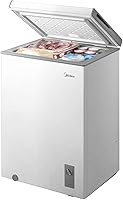
The DEMULLER Chest Freezer Small Deep Freeezer is 20.7 by 16.5 by 29.5 inches and holds 3.5 cubic feet. It uses 115 volts and has 2 stainless steel baskets.
That size shows why you should measure before you buy a tray.
What does a chest freezer floor tray actually do?
A chest freezer floor tray spreads load, catches small leaks and gives you a clean surface to set the cabinet on. Its main jobs are protection, leveling and easy cleaning.
It can stop feet from marking wood or laminate. It can also keep the freezer off a cold or damp concrete floor.
For a freezer in a garage, that lift can make routine checks and floor sweeping simpler.
A tray does not make a freezer garage ready. It does not fix a bad power outlet, poor ventilation or a room that is too hot or too cold.
Keep following the maker's placement rules for your model.
A tray can also reduce vibration and noise. A flat, grippy base helps the freezer stay where you put it.
Rule: buy a tray for floor protection and cleaning, not as a substitute for correct placement.
How do I measure my chest freezer for a floor tray?
Measure the freezer where it will sit, with the lid closed and any feet set to their working height. Use the largest outside points, including hinges, handles and brackets.
Write down width left to right, depth front to back and height floor to lid. Measure twice if the freezer is not level.
Add extra space for leveling legs. Many legs can extend down by an inch or more.
Leave room in front for the tray edge. You need space to step back, lift the lid and pull out baskets.
At 16.5 inches wide and 20.7 inches deep, the DEMULLER model needs a tray larger than that in both ways. A tray listed as 22 by 19 inches would be tight once feet and handling room are counted.
Rule: add at least 2 inches on each side to the freezer footprint, then check the tray's inside size.
What size chest freezer floor tray should I buy?
Buy the smallest tray that still gives you a clear margin around the freezer. Too small risks rocking, and too large wastes floor space and can slide.
A good starting point is 2 to 4 inches wider and deeper than the cabinet on each side. That gives you room for feet and cleaner access.
Depth matters as much as width. A deep tray can push the freezer too far from a wall and block the power cord.
Height also counts. A tall tray raises the lid and can make loading harder for shorter users.
Lips and rims take space. A tray with a raised edge may catch water well, but the inside size will be smaller than the outside size.
Rule: choose by inside size first, then check outside size against your floor space.
Which tray material works best for each floor type?
Pick the tray material for your floor, not just for the freezer. Plastic, rubber and wood each solve a different problem.
Rigid plastic is easy to wipe and does not absorb water. It works well on concrete, tile and vinyl.
Rubber mats and trays grip the floor and can cushion sound. They suit wood and laminate where marks are a concern.
Solid wood is strong and can be cut or drilled for feet. It needs sealing to resist water and cold.
Metal trays can scratch floors and rust if water sits on them. Skip metal unless you have a protective layer under it.
Rule: match the material to the floor first, then check strength and cleaning.
Plastic trays for concrete and tile
Plastic suits garage and utility floors where water and dirt come and go. Choose a thick, rigid plastic tray with a flat base and a low lip.
A lip helps catch meltwater during defrost or a small leak. It should not push against the freezer door seal or block air flow at the base.
Check for drainage or a removable bottom. Some trays let you lift the freezer and wash the tray without moving it far.
Plastic can become brittle in very cold storage areas. If your room gets near freezing, ask whether the tray is rated for low temperatures.
Rule: for concrete or tile, pick rigid plastic with a low lip and easy wash access.
Rubber mats for wood and laminate
Rubber suits living areas and rooms where noise matters. Pick a dense rubber mat that will not compress unevenly under the feet.
Uneven compression can make a freezer rock. A thin, soft mat may feel nice underfoot but can hurt stability.
Rubber can trap grit. Sweep under the mat when you can, or the grit can scratch a wood floor over time.
Some rubber mats have a strong smell at first. Air them out before you put the freezer on them.
Rule: for wood or laminate, pick firm rubber and check it does not compress under load.
Sealed wood trays for strength and level fitting
Sealed wood suits buyers who want a custom fit or a very strong base. Choose a flat, sealed board with enough thickness to resist bending.
Wood can be cut to the exact size you need. That helps in a narrow alcove where stock trays are too wide.
Seal all sides, including edges and any screw holes. Water from defrost or a leak will find the bare spots first.
Wood is heavier than plastic. That weight can help stability, but it also makes moving the tray harder.
Rule: if you choose wood, seal it fully and check it stays flat over time.
How much weight can a chest freezer floor tray hold?
A tray must hold the freezer plus the food inside it, with room for uneven loads. Check the tray's weight limit against the freezer's loaded weight, not just its empty weight.
A 3.5 cubic foot freezer can hold a lot of dense food. Meat, ice and frozen vegetables add up fast.
Spread matters as much as total weight. Four small feet put pressure on four spots.
A tray that holds the same weight spread across a mat may bend under feet. Look for a base that supports each foot.
If your tray has casters, check their limit too. Uneven floors can shift weight to one side.
Rule: choose a tray rated above your expected loaded weight, with support under each foot.
Should I choose a tray with a lip, drainage or casters?
Choose features based on your room and how you use the freezer. A lip, drainage and casters each help, but each one adds a trade off.
A raised lip catches water from defrost, a leak or condensation. The lip must stay below any vent or seal area and must not block air flow.
Drainage helps if water collects often. A plug or drain hole lets you remove water without lifting the freezer.
Casters make it easier to move the freezer for cleaning. They also raise the cabinet and can make it less steady on an uneven floor.
Rule: add a lip for water, drainage for frequent leaks and casters only if you will move the freezer often.
Trays with lips for leak and defrost water
A lip is useful in a basement, garage or laundry room. Pick a lip that is low, firm and easy to clean around.
A low lip catches drips without hiding the freezer base. A very tall lip can touch the lid or make cleaning harder.
Check the corners. Water often collects where the tray bends or joins.
A smooth, sealed corner is easier to wipe than a deep groove.
Rule: choose a low lip that catches water without blocking vents or airflow.
Casters for moving a freezer to clean behind it
Casters help when you need to roll the freezer out to clean the floor behind it. Pick casters that lock, support the load and keep the freezer low.
Locking casters stop the unit from drifting while you load food. That matters on concrete, where a small push can send a heavy freezer across the floor.
Casters raise the freezer by their height. Add that to your height plan and check the lid clearance.
Casters also change how you level the freezer. Some models have adjustable legs on the casters.
Rule: use locking casters only if you will move the freezer, and check the added height.
How do I keep a chest freezer level on a floor tray?
Level the tray first, then set the freezer on it. A tray cannot fix a sloped floor by itself unless you add shims or adjustable feet.
Place a level across the tray in both directions. Check front to back and side to side.
Set the freezer down and check again. The cabinet may sit differently once weight is on the tray.
Adjust the feet in small steps and recheck after each change.
Avoid stacking loose shims that can slide. Use flat, firm pads made for appliances or cut a solid shim to size.
Check the lid action as you level. A level chest should open and close without rubbing.
Rule: level the tray, then level the freezer, and recheck after loading.
Where should I place the tray and freezer in the room?
Place the tray on a firm, flat floor away from heat and direct sun. Keep the freezer's required gaps to walls, and keep the plug and controls within reach.
Measure the gap behind the freezer before you set it down. Some models need space for air flow and service access.
Keep the front clear. You need standing room to lift the lid and reach to the bottom.
Avoid placing the freezer on a raised platform unless the maker allows it. A tray is low enough for most floors.
Think about cost before you buy a larger freezer and tray setup. When you want a sense of How Much Does a Small Chest Freezer Cost?, compare that with How Much Does a Large Chest Freezer Cost? and the floor space each size needs.
Rule: set the tray where you can keep wall gaps, reach controls and stand safely.
How do I clean and care for a chest freezer floor tray?
Clean the tray on a simple schedule. Wipe it monthly and check under the freezer each time you defrost.
Lift or roll the freezer only when it is safe to do so. A full chest is heavy, so empty it or get help before you move it.
Wash plastic trays with warm water and mild soap. Dry them fully before you set the freezer back down.
Rubber mats need a wipe and a check for grit. Shake or vacuum grit off before it scratches the floor.
Sealed wood needs a dry wipe and periodic seal checks. Look for bubbles, cracks or worn edges where water can enter.
Rule: clean the tray whenever you defrost, and dry it fully before you reset the freezer.
What mistakes should I avoid with a chest freezer tray?
Avoid a tray that is too small, too soft or too tall. Most problems come from ignoring feet, weight and air flow.
A tray that is too small leaves one foot on the floor and one on the tray. That twist can make the freezer rock.
A soft mat can compress on one side and let the freezer tilt. Firmness matters more than cushioning for a heavy cabinet.
A tall tray or high casters can raise the lid too far. Check overhead space and your reach before you commit.
Blocking vents is another common error. A tray lip or a wall gap that is too small can limit air flow.
Rule: check feet, firmness, height and vents before you load the freezer.
Which freezer accessories pair well with a floor tray?
A tray works best with simple security and organization tools. Pair it with a lock that fits your lid, baskets for sorting and a cover if dust is a problem.
For a shared garage or basement, a lock helps keep the lid closed. Our best lock for deep freezer chest guide covers options that fit chest lids.
A cover can cut dust on top of the freezer. Our best chest freezer cover picks help you choose one that fits your size.
If you plan to replace your freezer soon, start with our best chest freezer with lock and key guide. A built in lock can pair well with a tray in a shared space.
For floor protection in a different form, see best deep freezer mats. Mats and trays often solve the same floor problem in different ways.
Rule: add a lock, baskets or a cover only after the tray size and level are correct.
How do I choose the right chest freezer floor tray for my home?
Choose the tray that fits your freezer, floor and room routine. The right tray is flat, firm, a little larger than the cabinet and easy to clean.
Measure the freezer first, including feet and handles. Add margin on each side, then check the tray's inside size.
Pick a material for your floor and a weight limit above your loaded freezer.
For concrete or tile, a rigid plastic tray with a low lip is a safe start. For wood or laminate, a firm rubber mat protects the finish.
Keep the setup simple. Level the tray, set the freezer, check the lid and leave the maker's gaps.
Rule: measure first, pick for your floor, and leave margin for feet and cleaning.
Frequently asked questions
What size floor tray does a chest freezer need?
A floor tray should extend past the freezer footprint on every side, ideally by at least 2 inches. Measure length, width and height with the lid closed, then add space for brackets, casters and feet.
Check the tray inside size before you order, since a lip can reduce usable space.
Can a chest freezer sit directly on a floor tray?
Yes, most chest freezers can sit on a clean, dry, level tray that supports the full loaded weight. Keep the tray away from walls and vents, and follow your freezer manual for clearance and leveling feet.
A tray does not replace required air gaps.
What material is best for a chest freezer floor tray?
Rigid plastic, heavy duty rubber and sealed wood work for different needs. Plastic wipes clean and resists water, rubber grips well and cushions vibration, and wood is strong but needs sealing.
Choose a material that suits concrete, tile, wood or laminate in your room.
Do I need a tray under a garage chest freezer?
A tray helps in a garage by lifting the freezer off cold concrete, catching leaks and making cleaning easier. It also spreads weight so feet do not mark the floor.
Check that the tray will not trap water against the cabinet or block drainage.