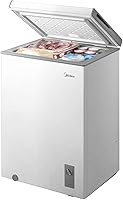
Can a Chest Freezer Be Laid Down for Transport?
No, you should not lay a chest freezer down for transport unless the maker says it is safe. Keep it upright, secure it during the trip, and let it stand upright for the time stated in the manual before you plug it in.
On this page (10 sections)
- Can a Chest Freezer Be Laid Down on Its Side or Back?
- Why Does Position Matter for the Compressor?
- How Should You Empty and Prep a Chest Freezer for Moving?
- What Is the Safest Way to Transport a Chest Freezer Upright?
- How Long Should You Wait Before Plugging It In Again?
- What Checks Should You Do Before Restarting After a Move?
- Which Freezer Size Is Easier to Move Safely?
- How Much Does Size Affect Cost and Moving Choices?
- What Mistakes Should You Avoid When Moving a Chest Freezer?
- Can a Chest Freezer Be Laid Down? The Short Answer
No, you should not lay a chest freezer down for transport, and can a chest freezer be laid down only if the maker approves it for your exact model. The safest move is to keep it upright, empty, secured, and unplugged until it is level in its new spot.
That simple rule protects the compressor and helps the freezer cool again. Oil inside the compressor can shift when a cabinet tips or lies flat.
If you start it too soon, parts that need oil may run dry.
Can a Chest Freezer Be Laid Down on Its Side or Back?
Lay a chest freezer down only if the manual for that model allows it. Most home chest freezers are built to stand upright, so treat side or back transport as a last resort, not a plan.
The lid, hinges, drain, and compressor are all placed for upright use. A sideways cabinet puts stress on the lid and lets loose parts shift.
The basket can slide, the lid can pop open, and the cord can get pinched.
A short move across a room is different from a trip in a truck. Still, keep the cabinet upright and use a dolly with straps.
If a doorway forces a tilt, keep the tilt brief, keep the compressor end higher when you can, and check the manual for restart timing.
Why Does Position Matter for the Compressor?
Position matters because compressor oil must stay where the maker designed it to stay. When a freezer tips, oil can move into lines or away from parts that need it at startup.
Chest freezers use a sealed compressor system. It is not built like a loose bottle you can shake and set down.
Oil needs to drain back to the right place before the compressor runs again.
Lying the freezer down can also move refrigerant liquid to a new spot. That does not always cause harm, but it can make the first run weak or noisy.
The safest path is upright transport plus the wait time from the manual.
How Should You Empty and Prep a Chest Freezer for Moving?
Empty the freezer completely, dry the inside, and secure loose parts before you move it. Food adds weight, and meltwater can spill if the cabinet shifts.
Move food to another freezer or to coolers packed with ice. Keep frozen food at 0°F or below when you can, and keep cooler lids shut during the trip.
Perishable food held above 40°F for more than 2 hours should not be tasted to judge safety.
Remove the basket and set it aside, or strap it so it cannot slide. Close the lid and tape or strap it shut with care not to crush the seal.
Coil the cord, check the drain plug, and wipe up any water left inside.
What Is the Safest Way to Transport a Chest Freezer Upright?
Keep the freezer upright, strap it to the truck or trailer, and pad the lid and sides. Use a dolly with straps for stairs and tight turns, and keep the load from sliding.
Load the freezer into a truck bed or cargo area where it can stand flat. Use furniture straps or ratchet straps over the top, with padding where straps cross the lid.
Do not stack boxes on the lid.
Drive with care on rough roads. A chest freezer is top heavy, so a hard stop can tip it if straps are loose.
If rain is likely, cover it with a tarp, but keep the tarp from flapping into the vents or cord.
If you need a best portable chest freezer for camping or a long trip, check its manual too. Portable models still have compressors, and the same upright rule may apply.
How Long Should You Wait Before Plugging It In Again?
Wait the time listed in the manual before you restart the freezer. If the manual gives no time, wait at least 4 hours, and 24 hours is the safer choice after a long or rough trip.
The wait gives oil time to settle back into the compressor. Restarting too fast can starve the compressor of oil for the first run.
That can shorten its life or cause it to fail to cool well.
Keep the freezer upright and unplugged during the wait. Close the lid, keep it level, and let it reach room temperature if it got cold in the truck.
Do not plug it in just to test the light, since that starts the compressor.
What Checks Should You Do Before Restarting After a Move?
Check the cord, drain, lid seal, basket, and thermostat before you plug it in. A short check now can prevent a warm freezer later.
Look for dents that touch the lid, a cord with cuts, or a drain plug that is loose. Make sure the freezer stands level and the vents are not blocked by a wall, boxes, or a rug.
Clean the lid seal so it closes tight.
Set the thermostat to the setting you want, often in the middle range for frozen food. Plug the freezer in, close the lid, and let it cool for several hours before you add food.
A thermometer helps you confirm the inside is at 0°F or below.
Which Freezer Size Is Easier to Move Safely?
A smaller and lighter freezer is easier to move upright and keep steady. Check weight and size before you buy, since stairs and doorways matter as much as truck space.
The FRIGIDAIRE EFRF7003-BLACK Chest Deep Freezer is 7 cu. ft. and weighs 70 lb. It suits a large household that wants bulk storage, but it needs two people and a wide path during a move.
The Climate Choice 3.5 Cu.Ft Small Chest Freezer weighs 37.2 lb and measures 18.5 by 22.4 by 29.3 in. That size fits apartments and dorms, and one person may carry it with help on stairs.
The DEMULLER Deep Freezer Chest 3.5 Cubic Feet measures 17 by 21 by 30 in. It is also a compact pick for a small space, with a digital display that shows the set temperature.
How Do Wheels Change a Moving Plan?
Wheels help on flat floors, but they do not replace straps during a truck ride. If you plan to move a freezer often, look at models made for that job.
A best chest freezer with wheels can roll across a garage or basement floor. Lock the wheels when you park it, and still strap the cabinet upright for a trip.
Smaller units with wheels can be a good fit for renters. Our guide to the best small chest freezer with wheels covers size and floor space for those who need to shift a freezer now and then.
How Do 12 Volt Models Compare for Transport?
12 volt models may suit rides and camps, but read the manual for position rules. Their compressor and power setup can differ from a home chest freezer.
A best 12 volt chest freezer often travels in a vehicle, yet that does not mean every model can lie flat. Check the maker limits on tilt, ventilation, and battery use before a long trip.
How Much Does Size Affect Cost and Moving Choices?
Size affects both cost and effort, so match capacity to the food you truly store. A large freezer costs more to buy and more to move, while a small one fits tight spaces.
Before you choose, read How Much Does a Small Chest Freezer Cost? if you plan to buy a compact model. Small units suit singles, couples, and extra storage for a few bulk buys.
For a full household, read How Much Does a Large Chest Freezer Cost?. A 7 cu. ft. model can hold meal prep and bulk meat, but plan for two people on moving day.
What Mistakes Should You Avoid When Moving a Chest Freezer?
Avoid laying it down, stacking weight on the lid, and restarting it right away. Those three mistakes cause most move problems we see in buyer reports.
Do not lay the freezer on its back to fit a truck. Do not put boxes, tools, or straps directly on a fragile lid without padding.
Do not plug it in during the ride to keep food cold, since the compressor needs to stay off and upright.
Do not leave the basket loose inside. A sliding basket can dent the liner or break a shelf.
Do not drag the freezer across concrete, since scrapes can harm the cabinet and cord.
Can a Chest Freezer Be Laid Down? The Short Answer
Can a chest freezer be laid down? No, not unless the maker allows it for your model, so keep it upright for transport and restart.
That answer is the safe rule for most home chest freezers.
Pick a small model if you want an easier move. Pick wheels if you need to roll it on flat floors.
Pick a large model only if you have the space, help, and truck room to keep it upright all the way.
For most readers, the best next step is to measure your path, empty the freezer, and strap it upright. If a doorway makes that hard, pause and find a wider route rather than laying the cabinet down.
Frequently asked questions
How long should a chest freezer stand before restarting after a move?
Follow the manual first, since makers differ. Many tell you to wait at least 2 to 4 hours, and some ask for 24 hours.
The wait lets oil that moved during transport settle back into the compressor before it runs.
Can a chest freezer be laid down on its side in a truck?
Avoid it if you can. Laying a chest freezer on its side can let compressor oil move where it does not belong.
Keep the freezer upright, strap it so it cannot tip, and protect the lid and sides during the ride.
What should I check before plugging in a moved chest freezer?
Check that the cabinet is upright, the cord is not cut, the drain plug is in place, and the lid seal is clean. Empty the basket, confirm the thermostat setting, and let the freezer reach its target temperature before adding food.