Does a Chest Freezer Trip GFCI Breakers?
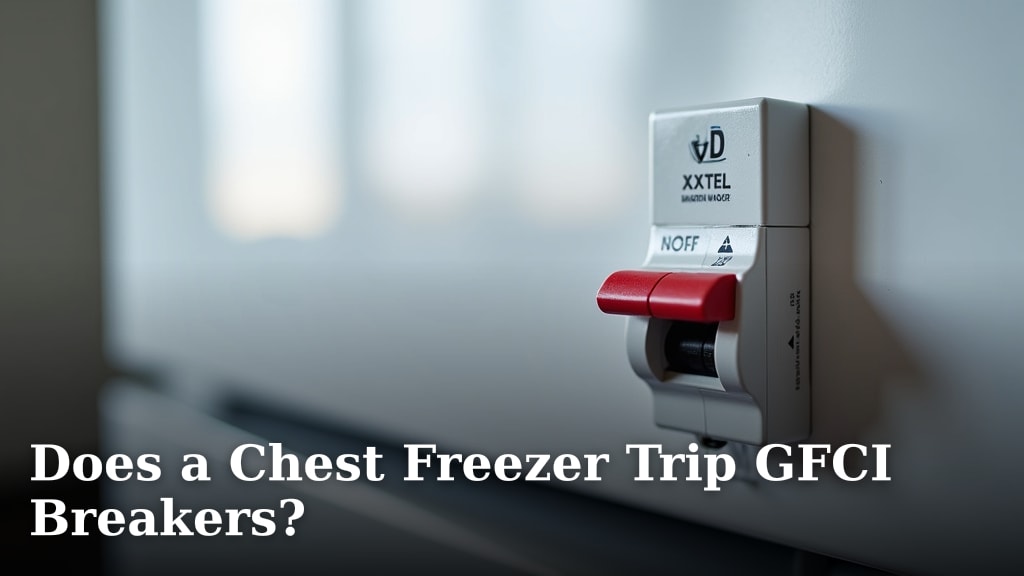
Yes, a chest freezer can absolutely trip a GFCI breaker, especially if it’s an older model or if there’s a problem with the wiring. This happens because a GFCI (Ground Fault Circuit Interrupter) is designed to detect tiny leaks of electricity. If your chest freezer experiences an issue, this leak can trigger the GFCI, cutting off power to protect you from electric shock. We found this is a common concern for many homeowners. If you’re concerned about tripping breakers, understanding the right chest freezer size for your needs is a good first step.
Understanding why this happens is key to keeping your freezer running smoothly. GFCI outlets are often installed in areas where water might be present, like kitchens or garages. When a chest freezer is plugged into one, it’s like adding an extra layer of protection. However, sometimes the freezer’s own motor or compressor can cause minor fluctuations that a sensitive GFCI may mistake for a fault.
- A chest freezer can trip a GFCI breaker.
- This happens when electricity leaks from the freezer.
- GFCI outlets detect these small leaks to prevent shocks.
- Older freezers or wiring issues can increase tripping.
- It’s a safety feature, but can be annoying if frequent.
Let’s dive into the common reasons this might be happening and what you can do about it.
Why Your Chest Freezer Might Be Tripping GFCI Outlets
So, your chest freezer is making your GFCI breaker do its job a little *too* well, huh? It’s a common head-scratcher. You plug in your trusty freezer, and bam! Power’s out. You might be wondering, “Is my freezer broken?” or “Is this normal?” Let’s break down why this happens, so you can get back to keeping things frosty without any surprises.
A GFCI outlet is like a tiny, vigilant security guard for electricity. It’s designed to quickly shut off power if it senses a small, unintended electrical current escaping. This is usually a sign that electricity is trying to find a path to the ground, which could be through a person! So, when your chest freezer causes a trip, it means that little guard detected something unusual happening with the freezer’s electrical flow.
Understanding GFCI Protection
Think of a GFCI outlet as an extra safety net. These outlets are required by electrical codes in areas where water is often present, like kitchens, bathrooms, garages, and outdoor spaces. Why? Because water and electricity are a dangerous mix!
How GFCIs Work to Keep You Safe
At its core, a GFCI compares the amount of electricity flowing out to your appliance with the amount flowing back. If there’s even a tiny difference – as little as 5 milliamps – it assumes the “missing” electricity is leaking out somewhere, likely through a person. It then cuts off power in a fraction of a second, much faster than a regular breaker. This is a fantastic safety feature, preventing serious shocks (The Electrical Safety Foundation International often highlights the importance of GFCI protection).
When a Chest Freezer Interacts with a GFCI
Your chest freezer has components like a compressor and a motor that cycle on and off. When these kick in, they can cause a brief, small surge or fluctuation in the electrical current. Most of the time, this is perfectly normal and harmless. However, a very sensitive GFCI outlet might, in rare cases, interpret these normal operating surges as a potential “ground fault,” leading it to trip.
Common Culprits Behind GFCI Tripping with Freezers
It’s rarely just one thing. We found that several factors can contribute to your chest freezer and GFCI having a disagreement. Let’s look at the most frequent causes so you can troubleshoot effectively.
Issues with the Freezer Itself
Sometimes, the problem lies within the appliance you’re trying to keep cold. Your freezer’s electrical components can develop issues over time.
Aging or Faulty Wiring within the Freezer
Like any appliance, freezers have internal wiring. If this wiring becomes old, frayed, or damaged, it can create tiny electrical leaks. These leaks, even if they aren’t causing immediate problems, are exactly what a GFCI is designed to detect. A small amount of current might be finding an unintended path, triggering the GFCI before it becomes a bigger issue. Research indicates that **damaged insulation** is a primary cause of electrical leaks.
Compressor or Motor Problems
The heart of your freezer is its compressor. If the compressor or motor is starting to fail, it might draw more power than usual or create electrical “noise.” This unusual electrical activity can sometimes be misinterpreted by a sensitive GFCI as a fault. We found that problems with the start-up surge of these components are often implicated.
Defrost Cycle Anomalies
Many freezers have an automatic defrost cycle. During this cycle, a heating element melts frost. If this heating element or its wiring has a minor flaw, it could cause a small current leak that the GFCI picks up. This is especially true if water from the melting frost comes into contact with a compromised electrical part.
Electrical System Factors
It’s not always about the freezer. The electrical system in your home can also play a role.
GFCI Outlet Sensitivity and Age
Not all GFCIs are created equal. Some older models might be more prone to tripping from minor electrical fluctuations. Also, like any electronic device, GFCIs can degrade over time. An aging or failing GFCI might become overly sensitive, leading to nuisance tripping. We found that testing older GFCIs is a good step in troubleshooting.
Extension Cord Usage
Are you using an extension cord for your chest freezer? Many appliance manufacturers, including those for freezers, strongly advise against using extension cords. If you must use one, it needs to be a heavy-duty cord rated for the amperage of the freezer, and it should be in excellent condition. Damaged or underrated extension cords can cause voltage drops and introduce electrical resistance, which can lead to overheating and potentially trip a GFCI.
Shared Circuits and Other Appliances
Is your chest freezer plugged into a GFCI outlet that also powers other high-demand appliances? If other devices on the same circuit draw a lot of power or have their own minor electrical quirks, it could contribute to a surge that, combined with the freezer’s operation, is enough to trip the GFCI. It’s like a chain reaction; one small jolt can set off the whole system.
Environmental Factors
Sometimes, where and how your freezer is situated can matter.
Moisture and Humidity
Chest freezers often operate in cooler, potentially more humid environments, like garages or basements. While the freezer is designed to contain the cold, excessive external moisture can sometimes find its way into electrical components if seals are compromised. This moisture can create a conductive path, leading to a ground fault and a tripped GFCI. Keeping the area around the freezer dry and well-ventilated is important.
Troubleshooting Steps When Your Freezer Trips the GFCI
Okay, so your freezer is causing trouble. Don’t panic! Here’s a practical checklist to help you figure out what’s going on and what to do next.
- Check the Freezer’s Plug and Cord: Make sure the plug is firmly seated in the outlet. Inspect the power cord for any visible damage, cuts, or fraying.
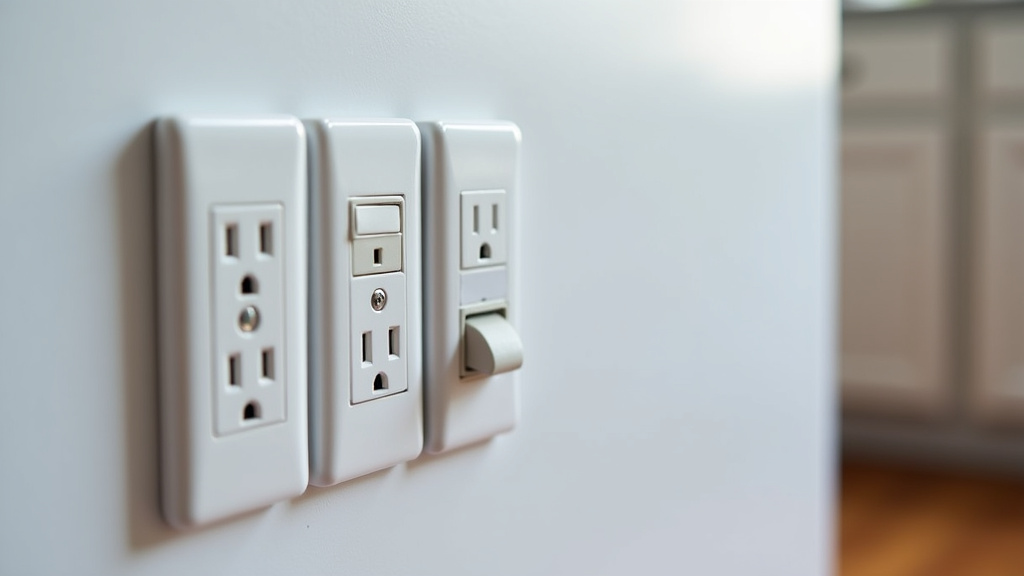
- Test the GFCI Outlet: Press the “Test” button on the outlet. It should click and cut power. Then press “Reset” to restore power. If it doesn’t reset or trips immediately, the outlet might be faulty.
- Try a Different Outlet: If possible, plug the freezer into a non-GFCI outlet (if your home has one and it’s safe to do so, like in a dry area not covered by code requirements). If it works fine there, the GFCI outlet is likely the issue. If it still trips, the problem is probably with the freezer.
- Inspect the Freezer’s Interior: Look for any signs of water pooling near electrical components or the power cord inside the freezer.
- Listen to the Freezer: Does it make unusual noises when the compressor kicks on? Strange humming or buzzing could indicate a motor issue.
- Consider the Age: How old is your freezer? Older appliances naturally have a higher chance of developing electrical faults.
If you’ve gone through these steps and are still experiencing frequent trips, it’s probably time to call in a professional. An experienced appliance repair technician or a qualified electrician can diagnose the exact cause and ensure your freezer is running safely.
Conclusion
We’ve seen that your chest freezer can indeed trip a GFCI breaker, and it’s often a sign that something needs attention. Whether it’s a minor electrical leak within the freezer itself, a sensitive GFCI outlet, or even how you’re using an extension cord, several factors can cause these nuisance trips. Remember, the GFCI is doing its job to protect you. If you’re experiencing frequent trips after checking the basic troubleshooting steps, don’t hesitate to call a qualified electrician or appliance repair professional to ensure your freezer is operating safely and reliably.
Frequently Asked Questions
Why does my chest freezer trip the GFCI outlet when it starts up?
A chest freezer’s compressor starting up can cause a brief electrical surge. A sensitive GFCI might sometimes interpret this normal surge as an electrical fault. We found this is more common with older freezers or if the GFCI outlet itself is aging.
Can I just replace the GFCI outlet with a regular one?
In many cases, no. Electrical codes often require GFCI protection in areas like garages or basements where your freezer might be located, especially if moisture is a concern. Replacing it with a standard outlet could violate safety codes and increase shock risk.
My chest freezer is brand new, why is it tripping the GFCI?
Even new appliances can sometimes have manufacturing defects. It’s possible there’s a small wiring issue or a component that’s more sensitive than usual. Testing the outlet with another device can help determine if the issue is with the freezer or the outlet.
How often should I test my GFCI outlet?
It’s recommended to test your GFCI outlets monthly. Press the “Test” button to ensure it shuts off power, and then press “Reset” to restore it. This simple test helps confirm the GFCI is functioning correctly and can catch potential issues early.
What if my freezer is in a detached garage or shed?
If the outlet in your detached garage or shed is GFCI-protected (which is often required by code), the same principles apply. Moisture, distance from the main panel, and the age of wiring can all contribute to GFCI tripping with freezer usage.