Standard Chest Freezer Dimensions: A Complete Guide
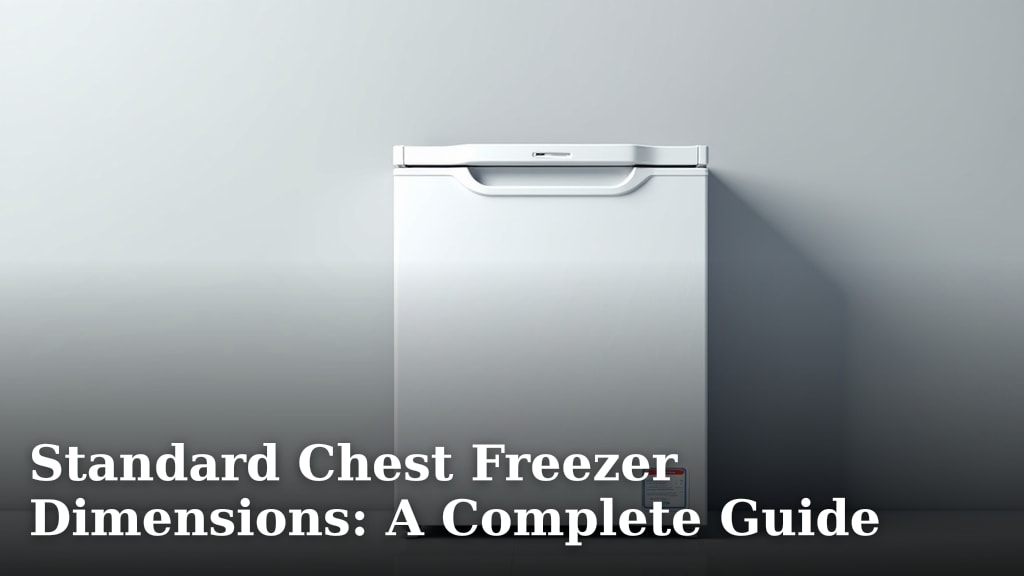
Standard chest freezer dimensions can vary, but most small models are around 20-25 inches wide, mid-size ones are 30-40 inches wide, and large ones can be 50 inches or more. When choosing a freezer, consider your Our guide to what size chest freezer you need can help you determine the best fit for your household.available space and how much food you plan to store. You’ll want to ensure there’s enough room for the freezer itself, plus clearance for ventilation and opening the lid. Getting the right size is key for both storage and energy efficiency.
Chest freezers are a popular choice for bulk buying and long-term food preservation. Their upright design means they take up less floor space than some other types. We found that understanding the typical width and depth will help you avoid ordering a model that simply won’t fit. Don’t forget to measure doorways and hallways too!
- Most chest freezers range from 20 to over 50 inches wide.
- Depth is typically between 25 and 35 inches.
- Height can vary from about 30 to 40 inches.
- Always check manufacturer specs for exact dimensions.
- Measure your space carefully before buying.
Let’s walk through the standard chest freezer dimensions you’ll encounter so you can pick the perfect one for your needs.
Choosing the Right Chest Freezer Size: Understanding Dimensions
Picking the perfect chest freezer involves more than just storage capacity. You really need to consider the physical size. Standard chest freezer dimensions can fit into many homes, but knowing the numbers upfront prevents headaches. We’ve looked at many models to bring you the typical ranges. This guide will help you measure your space and make sure your new freezer fits comfortably.
Width: The Most Visible Dimension
When people think about freezer size, width often comes first. It’s the measurement that most impacts where you can place it in your home. Chest freezers are generally wider than they are tall or deep. This shape is great for maximizing storage space without taking up too much floor area. Many models are designed to fit through standard doorways, but it’s always wise to check.
Small Chest Freezers (Under 30 Inches Wide)
These compact models are ideal for smaller households or kitchens with limited space. They often hold between 3 to 7 cubic feet of food. Think of them as perfect for supplementing your main refrigerator freezer or for storing essentials. Many apartment dwellers find these sizes very practical. You can often tuck them away in a pantry or a corner of the garage.
Medium Chest Freezers (30 to 45 Inches Wide)
This is where you find the most popular sizes for families. They typically range from 8 to 15 cubic feet. This capacity is great for stocking up on bulk purchases from warehouse clubs or preserving a large garden harvest. These freezers offer a good balance between storage and footprint. They’re large enough for significant storage but not so big they overwhelm your space.
Large Chest Freezers (Over 45 Inches Wide)
If you need serious storage for big families, hunters, or avid gardeners, look at the larger models. These can easily exceed 15 cubic feet and go up to 20 cubic feet or more. They are quite long and require dedicated space. You might find these in garages, basements, or dedicated utility rooms. Make sure you have ample room for access and the lid to open fully.
Depth: How Far It Sticks Out
The depth of a chest freezer is how far it extends from the wall. This dimension is important for ensuring you can still walk around it and access other items in your room. Most chest freezers have a depth that is quite similar across different widths. This makes them relatively easy to place against a wall.
Typical Depth Range
We found that most chest freezers fall between 25 and 35 inches deep. This includes the main body of the freezer and any protruding feet or controls. It’s important to account for this depth when planning your layout. You don’t want your freezer to block a walkway or make a room feel cramped. Always measure the space where you intend to place it.
Height: How Tall It Stands
Chest freezers are not very tall, which is one of their advantages. Since they open from the top, they don’t need the vertical clearance that some upright freezers do. This makes them easier to load and unload. However, you still need to consider the height for the lid opening.
Standard Height Measurements
The height of a chest freezer, including its feet, typically ranges from 30 to 40 inches. This measurement is important for a few reasons. First, you want to ensure it doesn’t block any lower windows if placed in a basement. Second, and more critically, you need to ensure there’s enough vertical space for the lid to open completely. For most models, this means about 90 degrees or more.
Important Clearance for Ventilation and Lid Access
This is a step many shoppers overlook, but it’s critical for your freezer’s performance and lifespan. Chest freezers need space around them to breathe. Restricted airflow can make the motor work harder, increasing energy consumption and potentially shortening its life. Manufacturer guidelines usually specify how much clearance you need.
Ventilation Space Requirements
Most manufacturers recommend at least 2 to 3 inches of clearance on the sides and back of the freezer. This allows air to circulate freely around the condenser coils, which release heat. Without this, the freezer can overheat. Research found that proper ventilation helps maintain optimal operating temperatures. This means your food stays frozen safely and your energy bills stay lower.
Lid Opening Clearance
Remember, the lid of a chest freezer swings upwards. You need to ensure there’s enough clear space above it for the lid to open fully. We found that most lids open about 90 degrees. This means you need at least the height of the freezer plus a little extra room above it. If placing it under a shelf or counter, measure carefully. You don’t want to be bumping your head every time you reach for frozen peas.
A Quick Comparison Table of Common Dimensions
To help visualize, here’s a general breakdown. Remember, these are averages, and you should always check the specific model’s specifications.
| Freezer Size | Typical Width (Inches) | Typical Depth (Inches) | Typical Height (Inches) | Approx. Capacity (Cubic Feet) |
|---|---|---|---|---|
| Small | 20 – 29 | 25 – 28 | 30 – 34 | 3 – 7 |
| Medium | 30 – 45 | 27 – 32 | 32 – 37 | 8 – 15 |
| Large | 46+ | 30 – 35 | 34 – 40 | 15+ |
Measuring Your Space: A Step-by-Step Checklist
Before you get too excited about a potential purchase, let’s make sure it will actually fit. Grab your tape measure!
- Measure the width of the intended spot.
- Measure the depth of the intended spot.
- Measure the height of the intended spot, considering the lid opening.
- Measure all doorways, hallways, and stairwells it needs to pass through.
- Add clearance space (sides, back, top) to your measurements.
- Compare your total needs to the freezer’s listed dimensions.
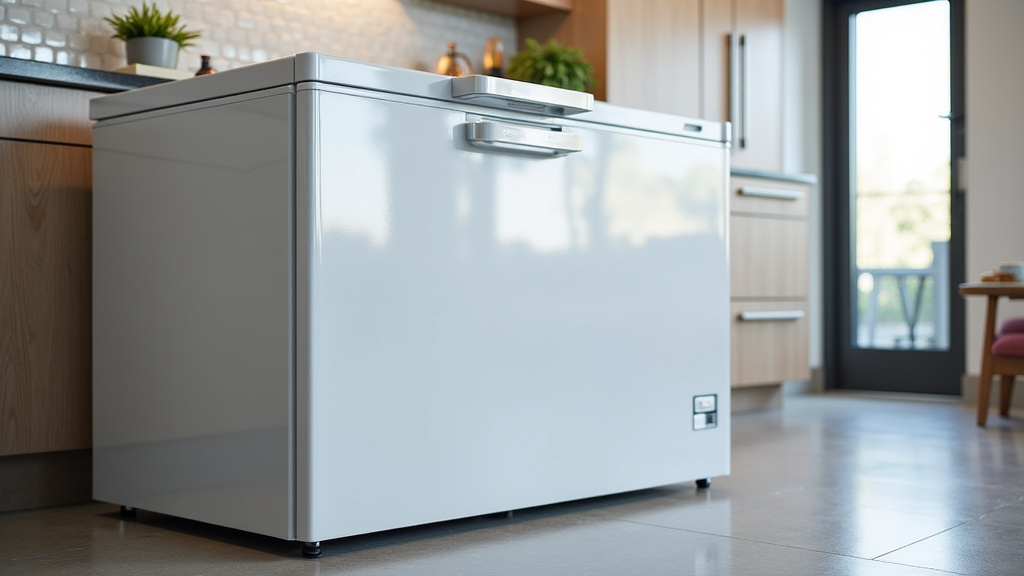
Conclusion
Choosing the right chest freezer means understanding its physical size. You’ve learned about standard widths, depths, and heights, and why they matter. Remember to always measure your space, including doorways and the area for lid clearance. Proper ventilation is also key for efficient operation. By using your measurements and comparing them to manufacturer specs, you’ll find a freezer that fits your needs and your home perfectly. Your next step is to grab that tape measure and start planning where your new freezer will go!
Frequently Asked Questions
How much space do I really need around my chest freezer?
You’ll need about 2 to 3 inches of clearance on the sides and back for proper ventilation. This helps prevent the motor from overheating and keeps your energy bills lower. Always check the manufacturer’s manual for their specific recommendations.
Will a chest freezer fit through my standard doorway?
Most chest freezers are designed to fit through standard doorways, especially smaller models. However, it’s wise to measure the width of your doorways and hallways against the freezer’s dimensions before you buy. Larger models might require a bit more planning.
Can I place a chest freezer under a counter or shelf?
Generally, it’s not recommended to place a chest freezer under a counter or shelf. You need ample vertical space for the lid to open fully, which is typically at least 90 degrees. Blocking this can make access difficult and may strain the lid hinges over time.
What if my freezer’s dimensions seem different from your table?
The dimensions in our table are general averages to give you a good idea. Actual freezer dimensions can vary slightly between brands and specific models. Always refer to the product’s official specifications for the most accurate measurements before purchasing.
Do chest freezer dimensions include the feet or handles?
Manufacturer specifications usually include the total dimensions, which means feet and any integrated handles are typically accounted for in the listed height, width, and depth. It’s always best to confirm this with the product description or by contacting the manufacturer if you’re unsure.