How Much Space Does a Chest Freezer Take Up?

How much space does a chest freezer take up? A chest freezer’s footprint can range from a compact 5 cubic feet for small kitchens to a large 20 cubic feet for big families. You’ll need to consider both its width and depth, plus extra room for ventilation. Don’t forget the height when the lid is open!
Understanding these dimensions is key to finding the perfect spot. Many shoppers overlook the need for clearance around the unit for efficient operation. This article will help you measure your space and choose a freezer that fits your needs and your home.
- Chest freezers vary greatly in size.
- Think about width, depth, height (lid open), and ventilation space.
- Measure your intended spot carefully.
- Consider how much food you need to store.
Let’s break down the typical dimensions and what to consider when measuring your space.
Figuring Out Freezer Footprint: How Much Space Do Chest Freezers Really Need?
So, you’re ready to buy a chest freezer. That’s exciting! But before you click ‘buy’, let’s talk about the real estate it’ll occupy. A chest freezer is a bit like a deep, rectangular box. You need to think about its basic dimensions: width, depth, and height. These are the numbers you’ll see on the product tags.
But wait, there’s more! The space a chest freezer takes up isn’t just about its own measurements. You also need to leave room for it to breathe. We’ll help you sort out exactly how much space you’ll need, so you don’t end up with a freezer that’s too big for your spot or one that’s struggling to keep things frozen.
Understanding Chest Freezer Dimensions: The Basics
Let’s start with the core measurements of the freezer itself. This is the actual physical size of the appliance.
Width and Depth: The Footprint on Your Floor
The width is how wide the freezer is from one side to the other. The depth is how far it sticks out from the wall. These are often the most critical measurements for fitting it into a kitchen, garage, or basement. Smaller models might be around 20-30 inches wide, while larger ones can stretch to 60 inches or more. Depth usually ranges from 20 to 30 inches.
Think of it like buying furniture. You measure the spot where you want it to go. You wouldn’t buy a sofa without checking if it fits through the door or into the living room, right? Your freezer needs the same careful consideration.
Height: From Floor to Lid-Top (Closed)
The height measurement usually refers to the freezer with its lid closed. This is important for fitting it under shelves or in specific nooks. Most chest freezers are fairly low, often between 30 and 40 inches tall. This low profile is one of their advantages, making them easy to access.
But don’t stop measuring here! There’s another height dimension that’s super important, and many people forget it.
The Crucial Open Lid Height
This is where things get interesting. When you open the lid of a chest freezer, it swings upwards. This means you need overhead clearance. The lid can add anywhere from 15 to 25 inches to the total height. So, if your freezer is 35 inches tall closed, it could be 50-60 inches tall when fully open!
Imagine trying to get ice cream out and the lid bumps into your cabinets or a low-hanging light fixture. That’s a frustrating scenario we want to help you avoid. Always check the open lid height and ensure you have enough room above.
Don’t Forget the Breathing Room: Ventilation is Key
Appliances that generate cold, like freezers, need to release heat. This heat is typically expelled from the back and sides. If you cram your freezer too close to walls or other objects, it can’t dissipate heat effectively.
This lack of airflow means the freezer has to work harder to stay cold. This leads to increased energy consumption and can shorten the lifespan of the appliance. Nobody wants a freezer that’s always running on overdrive!
Rear Clearance: The Unseen Wall Space
Manufacturers usually recommend leaving a certain amount of space between the back of the freezer and the wall. This is often around 2 to 4 inches. This space allows for proper air circulation. Check your owner’s manual for the specific recommendation for your model.
Think of it like giving your freezer a tiny, invisible hallway at its back. This space is vital for its health and efficiency. It’s not just wasted space; it’s functional space!
Side and Top Clearance: Extra Airflow Considerations
While the rear clearance is usually the most critical, some manufacturers also suggest leaving a little space on the sides. This can be 1-2 inches. Top clearance is generally less of a concern unless you plan to place something directly on top of the freezer, which is usually not recommended.
Having air flow around the unit helps maintain a consistent internal temperature. This keeps your food safely frozen and prevents the motor from overheating. Proper ventilation is a simple step with big benefits.
Estimating Space Needs Based on Freezer Size (Capacity)
Chest freezer sizes are measured in cubic feet (cu. ft.). This tells you the internal storage volume. The external dimensions will vary based on this capacity, but also on the design and insulation thickness.
Here’s a general idea of how capacity relates to physical size:
| Capacity (Cubic Feet) | Typical Width (Inches) | Typical Depth (Inches) | Typical Height (Closed, Inches) | Ideal For |
|---|---|---|---|---|
| 4.0 – 6.0 cu. ft. | 20 – 30 | 20 – 25 | 30 – 34 | Singles, couples, small apartments |
| 7.0 – 10.0 cu. ft. | 30 – 45 | 25 – 30 | 33 – 36 | Small families, meal preppers |
| 12.0 – 15.0 cu. ft. | 45 – 55 | 28 – 30 | 34 – 38 | Medium to large families, hunters, gardeners |
| 16.0 – 20.0+ cu. ft. | 55 – 70+ | 30 – 32+ | 36 – 40+ | Very large families, bulk buyers, commercial use |
Remember, these are average ranges. Always check the specific dimensions listed for the model you are considering. The table above gives you a ballpark figure for planning.
Compact Models: Small Footprint, Big Convenience
If you’re short on space, a compact chest freezer (around 5 cu. ft.) is your best friend. These are often around 20-30 inches wide. They can often fit in smaller kitchens, pantries, or even larger closets. They are great for storing essentials like frozen vegetables, a few meals, or ice cream.
You’ll still need to factor in that 2-4 inches of clearance at the back and some space for the lid to open. Even a small freezer needs its personal space to work efficiently.
Mid-Size and Large Models: More Food, More Space Needed
As you move up in capacity, the physical dimensions increase. A 10-15 cu. ft. model might be around 45-55 inches wide. This is getting closer to the size of a small couch. These larger units are perfect for stocking up during sales or for households that process a lot of their own food.
These require more dedicated floor space and careful placement. Ensure you have ample room in front of the freezer for easy access to load and unload food. Think about where you’ll be standing when you use it.
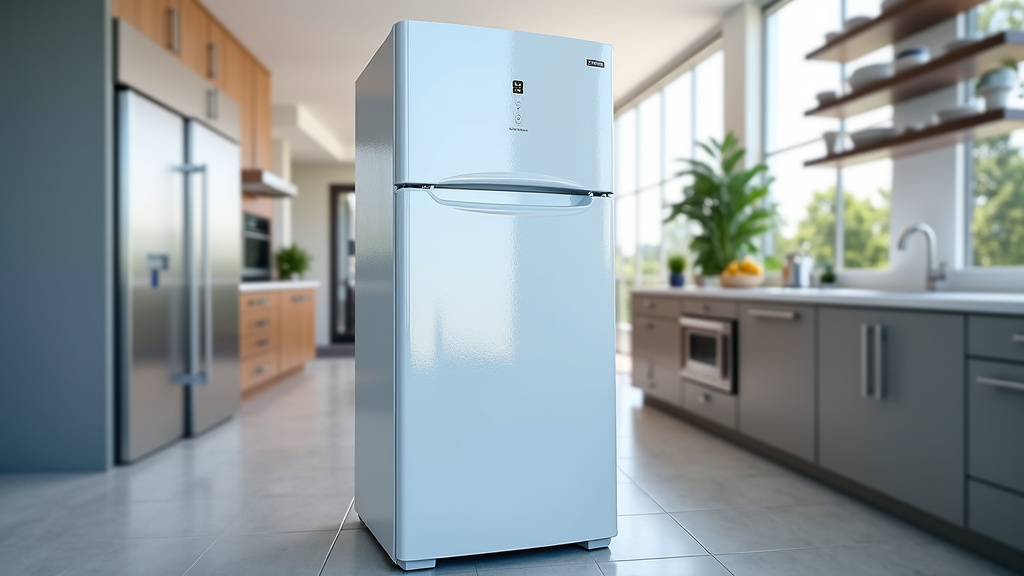
Planning Your Freezer Location: More Than Just Finding a Spot
Where you put your chest freezer can impact its performance and your daily life. Consider the environment and accessibility.
Garage or Basement Considerations
Garages and basements are popular spots because they often have more available space. However, these areas can experience temperature fluctuations. Many chest freezers are designed to operate within a specific ambient temperature range. Extreme heat or cold can affect their efficiency.
Some manuals suggest that the room’s temperature should be between 55°F (13°C) and 110°F (43°C) (LG). If your garage gets very hot in the summer or below freezing in the winter, it might not be the ideal spot. Always check the manufacturer’s guidelines on operating temperature ranges.
Kitchen Placement: Convenience and Aesthetics
Placing a chest freezer in the kitchen offers maximum convenience. You can easily grab ingredients. However, kitchen space is often limited. You’ll need to find a spot that doesn’t obstruct traffic flow.
Also, consider that freezers generate some heat from their compressors. If placed right next to a hot oven or dishwasher, it might work harder. Think about leaving a little extra space if it’s near heat-producing appliances.
A Quick Checklist for Measuring Your Space
Before you commit to a freezer, take a moment to measure your potential spot. This checklist can help you remember all the key dimensions:
- Measure the width of the available space.
- Measure the depth of the space.
- Measure the height from the floor to any overhead obstacles (like shelves or cabinets).
- Measure the overhead clearance needed when the freezer lid is fully open.
- Add at least 2-4 inches to the depth for rear ventilation.
- Add 1-2 inches to each side if possible.
By doing this, you ensure your new appliance has the space it needs to thrive and keep your food perfectly frozen!
Conclusion
Choosing the right chest freezer means looking beyond just its capacity. You’ve learned that understanding its actual footprint – width, depth, and especially the open lid height – is key. Don’t forget to factor in the essential breathing room for ventilation, usually 2-4 inches at the back. By carefully measuring your available space and considering these clearance needs, you’ll find a freezer that fits perfectly and operates efficiently.
Take your time, measure twice, and select a chest freezer that will reliably keep your food frozen for years to come. Your next step is to finalize your measurements and start browsing models that match your calculated space requirements.
Frequently Asked Questions
How much space do I need to leave for a chest freezer’s ventilation?
You’ll typically need to leave about 2 to 4 inches of space behind the freezer for proper ventilation. Some manufacturers may also suggest 1-2 inches on the sides. This allows the unit to release heat efficiently, preventing it from working too hard.
What is the most important height measurement for a chest freezer?
While the closed height is important for fitting into a space, the open lid height is often more critical. This is because the lid swings upwards, and you need to ensure there are no overhead obstructions like cabinets or shelves.
Can I put a chest freezer in my unheated garage?
It depends on your garage’s temperature extremes. Many freezers are designed for ambient temperatures between 55°F and 110°F. If your garage gets very hot or freezes in winter, it might affect performance. Always check the manufacturer’s guidelines for operating temperature ranges.
Will a chest freezer affect the temperature of my kitchen if placed nearby?
Chest freezers do release some heat, but it’s usually minimal. Placing one directly next to a hot appliance like an oven or dishwasher might cause it to work slightly harder. If possible, give it a little extra breathing room if it’s near a heat source.
Are smaller chest freezers always easier to fit into tight spaces?
Yes, smaller models generally have a smaller footprint in terms of width and depth. However, you still need to account for the open lid clearance, which can add significant height. Always measure your space carefully, even for compact units.