How Much Food Fits in a 15 Cubic Foot Freezer?
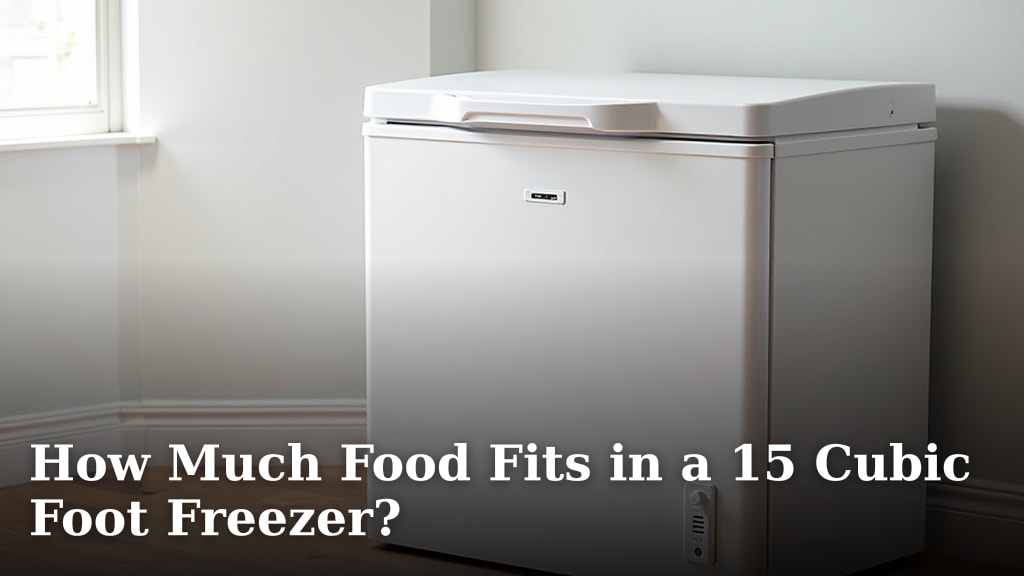
A 15 cubic foot freezer can hold a surprising amount of food, often between 450 to 600 pounds. This capacity is a great middle ground for many households. It’s large enough for stocking up but not so big that it takes over your space. You’ll likely fit a good variety of frozen meals, meats, and produce.
Understanding freezer capacity helps you make smart shopping choices. It means you can better plan for bulk buys or seasonal harvests. Knowing how much fits ensures you buy only what you can store. This avoids food waste and wasted money. Plus, a well-organized freezer is a happy freezer.
- A 15 cu ft freezer typically holds 450-600 lbs of food.
- This size is good for medium-sized households.
- It balances storage space with footprint.
- Helps prevent overbuying and food waste.
- Plan your freezer purchases based on this capacity.
Let’s take a closer look at what you can realistically fit inside your 15 cubic foot freezer and how to maximize that space.
So, you’ve got a 15 cubic foot freezer. That’s a pretty standard size for many homes, and it’s a great way to stock up on groceries without taking over your kitchen. But you’re probably wondering, just how much food can you actually cram into one of these things? Let’s break it down so you can get the most out of your freezer.
What You Can Fit in a 15 Cubic Foot Freezer
A 15 cubic foot freezer has a good amount of storage. You can expect to fit about 450 to 600 pounds of food in total. This range depends a lot on how you pack it. It’s enough space for a family of three or four to store a decent amount of frozen goods.
Think of it like a large suitcase. You can fit more if you pack efficiently. If you just toss things in, you’ll run out of room quickly. We’ll show you how to pack smarter.
Understanding Freezer Capacity: More Than Just Cubic Feet
Cubic feet measures the total internal volume of the freezer. It’s like the total space inside a box. But how you use that space matters. Food items come in all shapes and sizes. Bulky items take up more room than dense ones.
For instance, a whole turkey is large and awkward. A bag of frozen peas is much more compact. So, while the total volume is 15 cubic feet, what you fill it with changes how much fits.
Example: Fitting a Week’s Groceries
Many people find a 15 cu ft freezer perfect for a week’s worth of groceries. This often includes meats for several meals, frozen fruits and vegetables, ice cream, and maybe some pre-made meals. You might even have room for a Thanksgiving turkey, depending on its size.
It’s a good middle ground. It’s not too small that you’re constantly running to the store. It’s also not so massive that it becomes a white elephant in your home.
Weight vs. Volume: Which Matters More?
We often talk about pounds of food. This is a good way to visualize capacity. However, volume is the actual measurement of the freezer’s space. It’s important to consider both.
Research shows that 15 cubic feet can hold approximately 525 pounds of food on average. This is a good benchmark for planning. But remember, this is an average. Your actual capacity will vary.
Dense Foods vs. Light Foods
Dense foods like a frozen ham or large roasts will weigh more per cubic foot. You’ll hit the weight limit faster with these. Lighter items like bags of vegetables or bread will fill up space but add less weight.
If you’re stocking up on frozen vegetables, you might hit the volume limit before the weight limit. If you’re buying large cuts of meat, you might hit the weight limit first.
How to Maximize Your 15 Cubic Foot Freezer Space
Getting the most out of your freezer is all about smart organization. Think of it like packing for a trip. You want to fit everything you need without it becoming a jumbled mess.
We’ve found that using the right accessories and techniques can make a big difference. It helps you utilize every inch of that 15 cubic feet.
Efficient Packing Techniques
How you arrange items is key. Start with larger items on the bottom. These might include large roasts, poultry, or bulk meat packages. Place them where they won’t crush smaller items.
Then, fill in the gaps with smaller packages. Think about how Tetris pieces fit together. You want to create solid blocks of food where possible. This minimizes wasted air space.
Utilizing Bins and Containers
Clear bins are your best friend in a freezer. They help you group similar items. For example, you can have a bin for “Breakfast Items” or “Vegetables.” This makes it easy to find what you need.
These bins also help keep things organized. They prevent items from falling over and creating a mess. Many experts recommend using stackable bins to maximize vertical space. This is a trick many professional organizers use.
Vacuum Sealing for Space Saving
If you have a vacuum sealer, use it! Removing air from packages significantly reduces their volume. A bag of frozen chicken breasts can become much flatter and more uniform.
This technique is great for bulk purchases. You can divide large items into smaller, vacuum-sealed portions. They take up less space and protect food from freezer burn. Research from food safety sites often highlights vacuum sealing’s benefits.
Organizing by Food Type and Meal Planning
When you open your freezer, you want to know exactly where to look. Grouping items makes this simple. Designate specific shelves or sections for different types of food.
A good system might be: one shelf for meats, one for vegetables and fruits, one for pre-made meals, and a top shelf for quick grabs like ice cream or frozen pizzas.
The Power of Labeling
This step is non-negotiable for efficient freezers. Label everything! Not just the item, but the date it was frozen. This prevents mystery items and ensures you use older food first.
Use masking tape and a permanent marker. Or, if you’re using vacuum-sealed bags, the sealer can often print dates. This simple habit saves you time and prevents food waste. Many home economics resources stress the importance of labeling.
Dealing with Awkwardly Shaped Items
Some items, like whole chickens or large cakes, can be tricky. Consider how they’ll fit before you buy them. Sometimes, cutting a large item into smaller pieces can help.
For example, a whole chicken can be cut into parts. These parts are much easier to pack. If you buy large loaves of bread, consider slicing them before freezing.
What Kind of Foods Fit Best?
Different foods take up space differently. Understanding this helps you plan your shopping trips. You can better estimate what will fit into your 15 cubic feet.
Generally, uniform, dense items pack better than irregular, bulky ones. Think of it this way: a stack of frozen pizza boxes fits neatly. A pile of oddly shaped leftovers does not.
Common Freezer Foods and Their Space Needs
Here’s a quick look at how common items might fit:
- Meats: Packaged ground beef, chicken breasts, and steaks are relatively uniform. You can stack them. Larger whole birds or roasts are more challenging.
- Vegetables and Fruits: Bags of frozen vegetables are great. They stack well. Boxes of berries or other fruits can also be stacked, but they can be crushed easily.
- Prepared Meals: Frozen dinners, pizzas, and casseroles often come in standard sizes. They can be stacked efficiently.
- Breads and Baked Goods: Loaves of bread can be frozen whole or sliced. Slicing saves space. Cakes and pies might need special containers.
- Liquids: Soups, broths, and sauces should be frozen in leak-proof containers or bags. Leave headspace for expansion.
The Ultimate Freezer Inventory Checklist
To keep your 15 cubic foot freezer running smoothly, try this quick checklist:
- Label everything with contents and date.
- Group similar items using bins or sections.
- Store bulky items at the bottom.
- Pack items snugly to minimize air pockets.
- Do a quick inventory check before shopping.
- Use older items first to prevent waste.
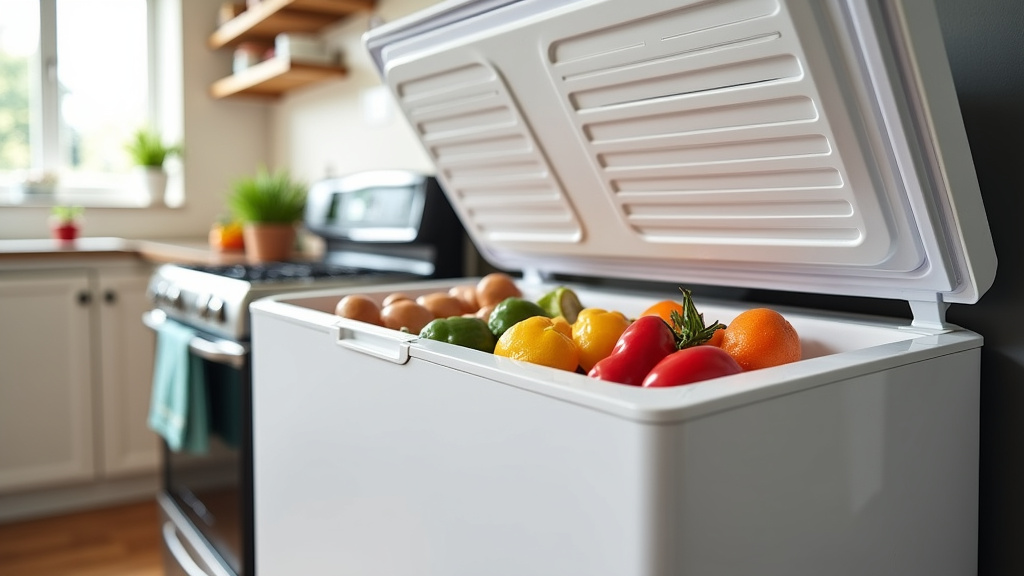
Estimating Your Freezer’s True Capacity
While we’ve given you a range, your freezer’s actual capacity depends on usage. Are you freezing a lot of leftovers in various containers? Or are you buying items in uniform packaging?
Consider the types of foods you buy most often. If you frequently purchase large items like whole chickens or turkeys, they will take up a significant portion of your 15 cubic feet. This is why knowing your typical shopping habits is important.
A Practical Example: What a Full Freezer Might Look Like
Let’s paint a picture of a well-stocked 15 cubic foot freezer:
| Category | Approximate Quantity | Notes |
|---|---|---|
| Meats | 100-150 lbs | Various cuts, ground meat, poultry |
| Vegetables & Fruits | 50-75 lbs | Bags and boxes |
| Prepared Meals/Snacks | 30-50 lbs | Frozen dinners, pizzas, ice cream |
| Baked Goods | 15-25 lbs | Bread, muffins, cookies |
| Other (broths, sauces, etc.) | 10-20 lbs | Packaged liquids, smaller items |
This table shows a possible distribution. It’s just an example to help you visualize. You can adjust these numbers based on your family’s diet and preferences.
When 15 Cubic Feet Might Not Be Enough
Even with smart packing, some situations might strain a 15 cubic foot freezer. Large families who buy in extreme bulk might need more space. If you hunt or fish and process large amounts of game, you might find it limiting.
Likewise, if you’re a serious gardener who freezes large harvests of produce every year, you might outgrow this size. For these scenarios, looking at chest freezers or larger upright models would be wise.
Conclusion
You’ve learned that a 15 cubic foot freezer offers a solid storage solution for many households, typically holding 450 to 600 pounds of food. It’s a practical size that balances convenience with ample space for stocking up. Remember, efficient packing and smart organization are key to maximizing this capacity. By using bins, labeling everything, and considering the shape and density of your food, you can fit more and reduce waste. Now that you know what’s possible, take a moment to assess your current freezer and plan your next shopping trip to make the most of your space.
Frequently Asked Questions
How many full grocery bags can I fit in a 15 cu ft freezer?
While it’s hard to give an exact number of bags, a 15 cubic foot freezer can hold about 450-600 pounds of food. Think about the weight and density of what’s in your grocery bags. Uniformly packaged items will allow you to fit more than bulky or irregularly shaped ones.
Is a 15 cubic foot freezer enough for a family of four?
For a family of four, a 15 cubic foot freezer can be a great option, especially if you shop smart and organize efficiently. It’s generally considered a good middle ground for storing a week’s worth of groceries or stocking up on sale items. However, if your family consumes a very large amount of frozen food or you buy in extreme bulk, you might find it a bit tight.
Can I fit a Thanksgiving turkey in a 15 cubic foot freezer?
Yes, in most cases, a 15 cubic foot freezer can fit a standard-sized Thanksgiving turkey. Many models can hold up to a 20-pound bird. If you plan to freeze a particularly large turkey, it’s a good idea to check the dimensions of the freezer’s interior shelves and compare them to the turkey’s size before purchasing.
How does food density affect how much fits in my freezer?
Food density plays a big role. Dense items like frozen hams or large roasts weigh more per cubic foot, meaning you’ll reach the weight limit faster. Lighter items like bags of frozen vegetables or bread take up more volume but add less weight. If you stock up on dense items, you might hit the pound limit before the space is full.
What’s the best way to organize a 15 cubic foot freezer for easy access?
The best way to organize is by grouping similar items using clear bins or designated shelves. Label everything with the contents and the date it was frozen. Store bulky items at the bottom and pack items snugly to minimize air pockets, making it easy to find what you need quickly.